As U.S. Exits WHO, California Eyes Alternate Global Disease Tracking — What That Means for Las Vegas
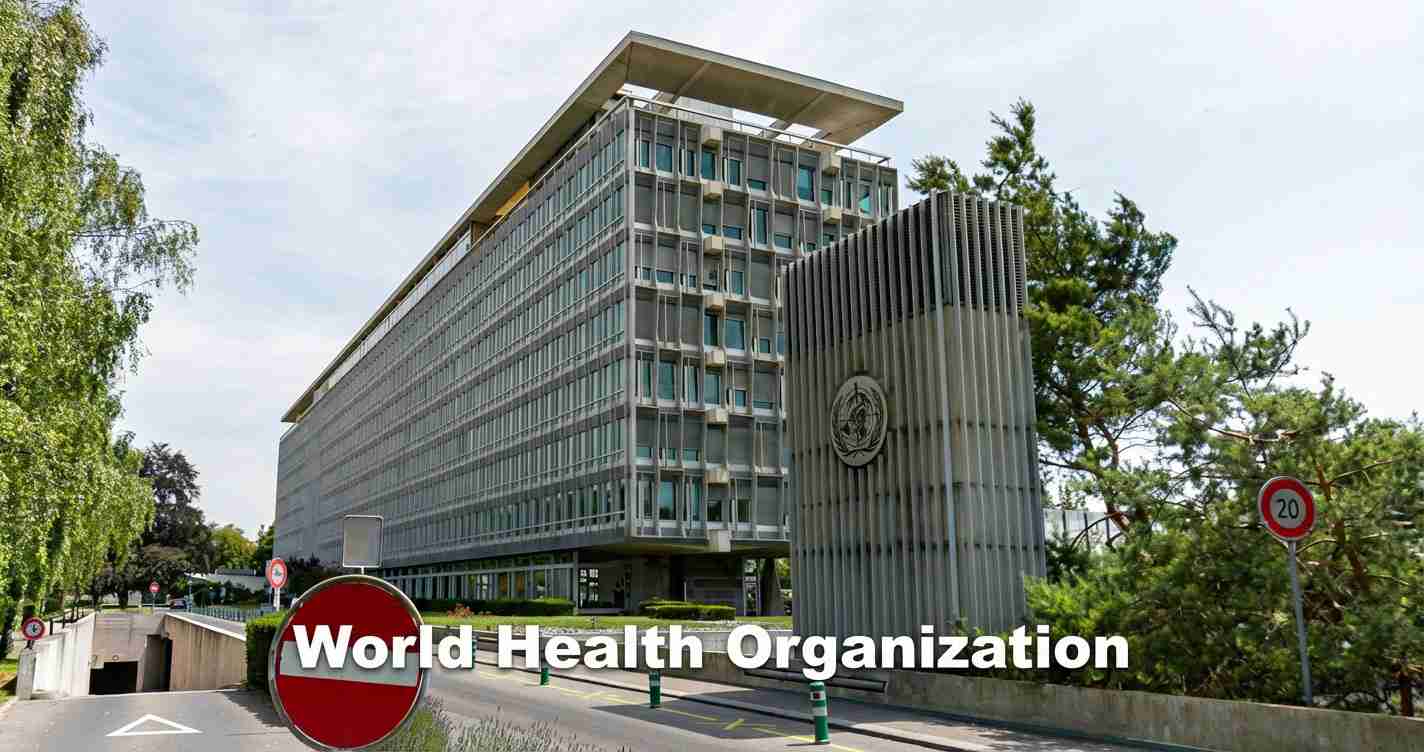
The U.S. formally withdrew from the World Health Organization on Jan. 22, 2026, ending funding and personnel ties and prompting states like California to explore alternate disease‑tracking options — raising practical and political concerns for Las Vegas.
- U.S. withdrawal finalized: The federal government ended WHO membership and funding on Jan. 22, 2026 (HHS; State Department; White House).
- Federal pivot: Officials say the U.S. will pursue bilateral disease‑surveillance partnerships and direct country-level cooperation instead of multilateral WHO channels (CDC; State Department).
- Warnings from experts: WHO and public‑health authorities caution the move could slow access to early outbreak data and complicate vaccine and response work (WHO; ABC News).
Federal action and rationale
The United States completed its formal withdrawal from the World Health Organization on Jan. 22, 2026. Federal releases from the Department of Health and Human Services and the State Department describe recalling U.S. personnel from WHO posts and ending U.S. funding commitments. The White House framed the action as the culmination of Executive Order 14155, citing alleged WHO mishandling of COVID‑19, insufficient reforms, and undue influence.
Global and expert reactions: warnings about risks
The WHO described the decision as regrettable and warned it could make the U.S. and the world less safe. Public‑health experts — including voices quoted in national reporting — said withdrawal could slow U.S. access to early outbreak signals, impede vaccine development, and hamper monitoring of threats like influenza, polio and Ebola (ABC News; ABC7).
“The decision could be dangerous for U.S. pandemic preparedness,” said experts cited in coverage, emphasizing risks to early-warning access and international coordination.
Legal and financial disputes
WHO officials assert certain assessed dues remain payable as a condition of withdrawal and estimate unpaid assessments exceeding $133 million. U.S. officials dispute that claim and note they are ending voluntary funding streams as part of the withdrawal, raising questions about legal pathways and whether congressional approval plays a role (ABC7; ABC News; HHS).
California response: plans, gaps and unanswered questions
California officials have publicly expressed concern and said they will examine how to protect state residents. However, thorough review of federal releases and major national reporting finds no public filing or official announcement confirming a formal California plan to “plug directly into global disease‑tracking networks.” The federal sources reviewed — including the HHS release, the State Department statement, the CDC resources, the WHO notice and the White House fact sheet — contain no confirmed bilateral agreements executed by Governor Gavin Newsom’s office on behalf of the state.
That creates an investigative gap: state officials may be discussing options privately, but as of the cited releases there is no public roadmap or confirmed international data‑sharing pacts involving California.
What California could do — and the barriers
Public‑health experts identify several options for states to preserve access to international surveillance data without WHO membership:
- Negotiate bilateral relationships with foreign health agencies to exchange surveillance signals.
- Expand partnerships with academic sequencing centers and private labs for genomic surveillance.
- Join or support independent global data platforms (genomic and epidemiologic) to supplement intelligence.
- Coordinate with federal agencies like the CDC when possible to maintain lines of information.
Each option has limits: bilateral deals can be slow and less comprehensive, private platforms may not replace WHO’s convening role for vaccine strain selection, and federal coordination has constraints when policy diverges.
Implications for Las Vegas, Nevada
Economic impact: Las Vegas depends on traveler confidence and rapid public‑health responses. Slower access to early outbreak data could delay detection of emerging threats, affecting tourism demand, conventions and the hospitality workforce.
Political consequences: Local officials in Clark County and Nevada lawmakers may face pressure to clarify surveillance plans and reassure residents and businesses.
Social effects: A large service-sector workforce, many immigrants and multi‑generational households mean delays in detection or vaccine strain selection could disproportionately affect lower‑income workers.
Cultural relevance: Major entertainment events and international visitors make timely public‑health monitoring a factor in attendance and cultural life.
Practical actions for residents and institutions: Health departments may need to expand local testing and sequencing, partner with universities and private labs, and employers/schools should update contingency plans and communications protocols. Travelers should follow state and local guidance and keep up with recommended vaccinations and testing for large events.
Reporting and next steps for local readers
State and local public‑health agencies and elected leaders should provide clear updates on any new surveillance partnerships or investments. For Las Vegas readers, immediate questions include:
- Will Clark County expand testing and genomic sequencing?
- Will Nevada form new data‑sharing pacts with foreign health agencies?
- What resources will be allocated to protect visitors and workers at hotels, casinos and events?
Sources and further reading
Key sources reviewed for this report:
- U.S. HHS: United States completes WHO withdrawal (HHS press release)
- U.S. State Department: joint statement on termination of U.S. membership in WHO
- White House: fact sheet on international organizations
- CDC: resources on U.S. withdrawal from WHO and global health collaboration
- WHO: statement on notification of withdrawal of the United States
- ABC News: U.S. officially exits WHO
- ABC7: U.S. completes withdrawal from WHO
Reporting note: This story reviews federal releases and major national reporting and finds no public, sourced confirmation of a formal California plan to join global disease‑tracking networks on behalf of the state. Local officials may still be developing options; we will continue to monitor for official announcements and document any bilateral agreements or state initiatives as they become public.