Trump signals major China tariff cut after Xi vows tougher fentanyl enforcement, pauses rare-earth moves
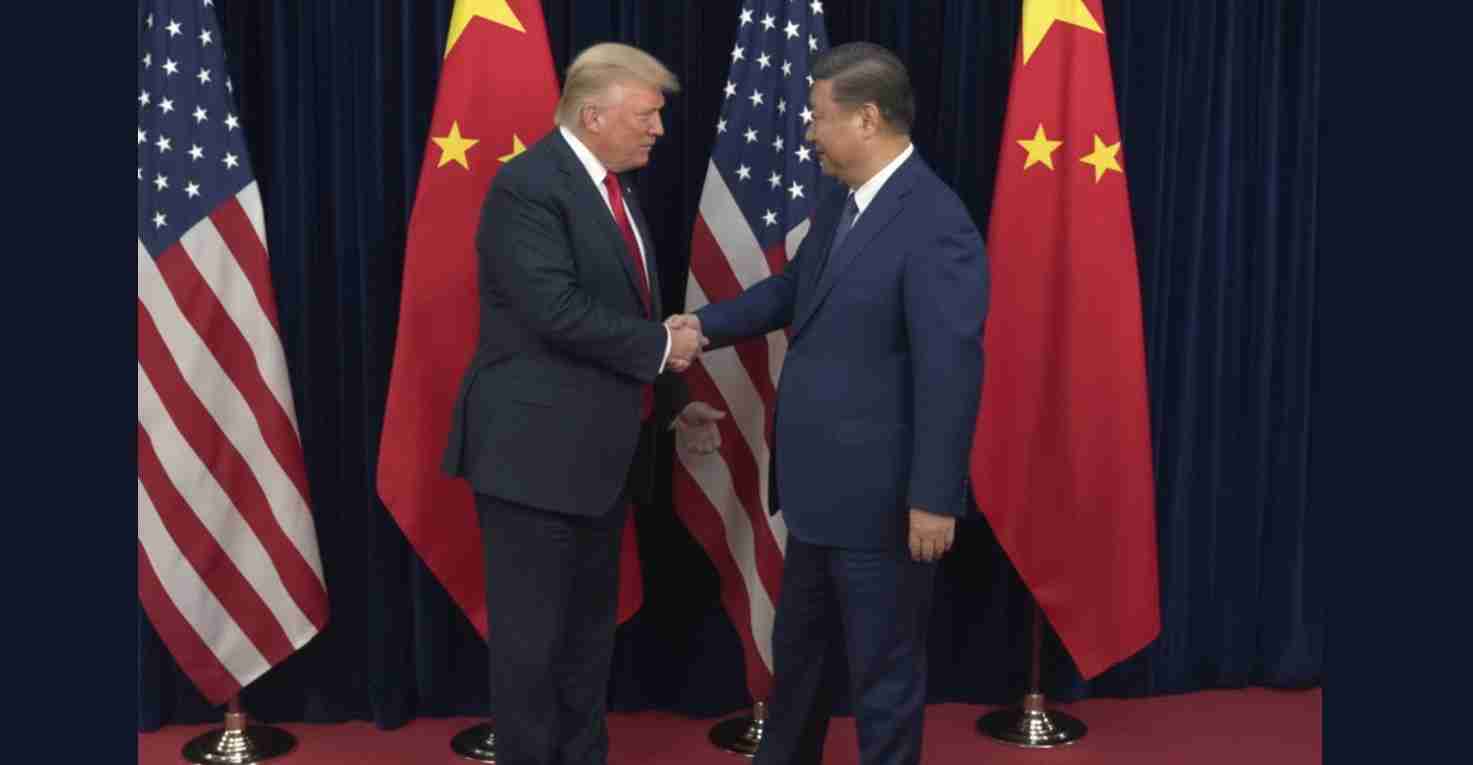
President Donald Trump announced a substantial rollback of emergency tariffs on Chinese imports — proposing cuts from 145% to about 80% — after Beijing signaled tougher fentanyl enforcement and paused possible rare-earth export limits amid high-level talks.
Key takeaways
- Tariff rollback proposed: Trump floated cutting emergency tariffs on Chinese goods from 145% to about 80% (Fortune, Finance & Commerce).
- Linked concessions: The rollback is tied to Beijing’s signal of tougher fentanyl enforcement and a reported pause on rare-earth export limits (The Register, Fortune).
- Diplomatic track: Senior-level talks are planned in Switzerland with Treasury Secretary Scott Bessent, U.S. Trade Representative Jamieson Greer and Chinese Vice Premier He Lifeng (Fortune).
- Markets cautious: Markets rallied on the possibility of relief but volatility remained given uncertainty about timing and verification (Fortune, ASICentral).
Tariff background: emergency rates that rocked markets
In early 2025 the White House imposed sweeping emergency tariffs on Chinese imports, raising rates up to 145% and citing national security and public-health concerns. Those steep levies disrupted global supply chains and injected volatility into U.S. stocks and Treasury markets as businesses and traders reacted to the cost shock. Reporting on the proposed reduction and its origins has appeared in Fortune and other outlets.
Why the cut now: a bargaining exchange tied to fentanyl and rare earths
Officials and analysts say the apparent U-turn on tariffs is linked to concessions signaled by Beijing. Chinese President Xi Jinping framed the tensions as normal occurrences between leading economies and indicated willingness to act on several fronts, including tougher measures to curb fentanyl trafficking to the United States. Observers flagged Xi’s pragmatic language — that frictions are “now and then” normal between great powers — as part of a broader tone shift (Fortune, The Register).
U.S. officials say the 145% tariff was imposed in direct response to concerns that China had not done enough to stop fentanyl and related precursors. In public remarks, President Trump tied the tariffs to fentanyl enforcement and said,
“[They] will come down substantially, but it won’t be zero.”
That language signals a potential compromise if Beijing follows through with verifiable actions (Fortune).
China has also reportedly eased pressure by pausing some potential limits on rare-earth exports — a strategic concession. Rare-earth metals are essential for semiconductors, electronics and clean-energy technologies; a pause reduces near-term supply-risk for U.S. high-tech industries. Analysts note that combining promises on fentanyl enforcement with gestures on strategic commodities creates political room for both sides to step back from full economic escalation (The Register).
High-level diplomacy: Switzerland talks and who’s at the table
Negotiations have moved to a formal track: senior U.S. envoys are scheduled to meet Chinese counterparts in Switzerland. The U.S. delegation is expected to include Treasury Secretary Scott Bessent and U.S. Trade Representative Jamieson Greer, while China will be represented by Vice Premier He Lifeng. Observers say those meetings will be critical to spelling out how Beijing will demonstrate stronger fentanyl enforcement and how Washington will sequence any tariff rollback (Fortune).
Officials have not released a detailed timeline or legal framework for lowering tariffs, leaving businesses and markets uncertain about the scope and durability of any agreement (The Register).
Market and industry fallout: who stands to gain
Industry groups and import-heavy firms welcomed the prospect of an 80% tariff as an improvement over 145% but warned it would remain punitive compared with pre-crisis levels. Companies reliant on Chinese-made consumer electronics, promotional goods and low-cost components would see lower costs if tariffs fall. Early reporting highlights promotional-products firms and importers as among the biggest beneficiaries (ASICentral, Fortune).
Securities markets showed an immediate uplift on the news, but volatility persisted as traders weighed the credibility and longevity of any U.S.-China arrangement. Analysts described the administration’s trade policy as unpredictable and often reactive to immediate security or political concerns (The Register).
Enforcement details still unclear: how will China curb fentanyl flows?
Beijing’s promise to tighten controls on fentanyl and precursor chemicals is central to U.S. negotiators. Reporting so far stops short of detailing the specific measures China will deploy or the speed of implementation. U.S. officials and drug-policy experts emphasize that verifiable enforcement — transparent inspections, prosecutions and export monitoring — will be key before any tariff rollback can be considered permanent. Critics warn promises without verification could be short-lived (The Register).
Rare earths: a bargaining chip with long-term stakes
China’s dominance in rare-earth production grants significant leverage in talks. Any pause on export restrictions lowers immediate risk to U.S. tech supply chains and may calm industries that rely on those metals for manufacturing. Experts caution that a temporary pause is not a structural fix; the U.S. continues to push for diversification of rare-earth sources and increased domestic processing capacity to reduce strategic reliance (The Register).
Implications for Las Vegas, Nevada
Local economies like Las Vegas would feel both immediate and uneven effects from a tariff cut. Below are core impacts and practical steps for businesses and agencies in the region.
Economic effects for local businesses and tourism
Las Vegas depends on a wide array of imported goods — from gaming consoles and electronics to fixtures and promotional merchandise. A cut from 145% to ~80% could reduce some cost pressure on procurement and renovations, improving margins for hotels, casinos and retailers. Still, an 80% rate remains significantly higher than pre-crisis levels and savings will be partial and uneven (Fortune, ASICentral).
Impact on consumer prices and supply chains
Lower tariffs could moderate price pressure on consumer goods sold in Las Vegas and reduce costs for restaurants and hospitality providers. However, businesses should expect continued uncertainty until officials publish a timeline and detailed terms. Companies that stocked inventory to avoid tariffs may face shifting costs as policy evolves (Fortune, Finance & Commerce).
Public health and law enforcement: fentanyl enforcement matters locally
Promises of enhanced China fentanyl enforcement directly affect Nevada, which has suffered high overdose rates. Any meaningful reduction in fentanyl entering U.S. supply chains could lower the volume of illicit pills and powders reaching Las Vegas communities. Local law enforcement and public-health agencies stress the need for clear, verifiable international cooperation — prosecutions, laboratory controls, and export monitoring — before easing prevention and treatment strategies (The Register).
Tech, construction and renewable energy projects
A pause on rare-earth export restrictions could ease supply concerns for Nevada firms that rely on high-tech components, including gaming-system suppliers and renewable-energy manufacturers. While helpful short-term, experts caution a pause is not a permanent fix; Nevada should continue pursuing diversified supply chains and domestic processing capacity (The Register).
Politics and the local electorate
For politically moderate urban voters in Las Vegas, the tariff move may read as pragmatic de-escalation. Local leaders will likely press for safeguards on fentanyl enforcement and policies that protect Nevada jobs and consumer prices. Acceptance of any trade-off will hinge on how negotiators tie tariff relief to verifiable Chinese actions (Fortune, The Register).
Practical steps for local businesses and agencies
- Monitor White House and trade-official announcements for timelines and scope.
- Review procurement contracts and inventory plans with suppliers to manage shifting costs.
- Coordinate with federal partners on verification steps for promised China fentanyl enforcement.
- Engage industry groups and local chambers for guidance on adapting to tariff-rule changes (ASICentral, Fortune).
Sources and reporting
This article is based on reporting and analysis from major outlets and industry trade publications. Key reporting and data on the tariff proposal and diplomatic moves are available at:
Reporting note: Where sources are cited in text, the linked outlet is provided for readers to consult the original reporting.