Seattle Mayor Katie Wilson’s “Bye” to Millionaires Sparks Debate Over Progressive Tax, Business Flight
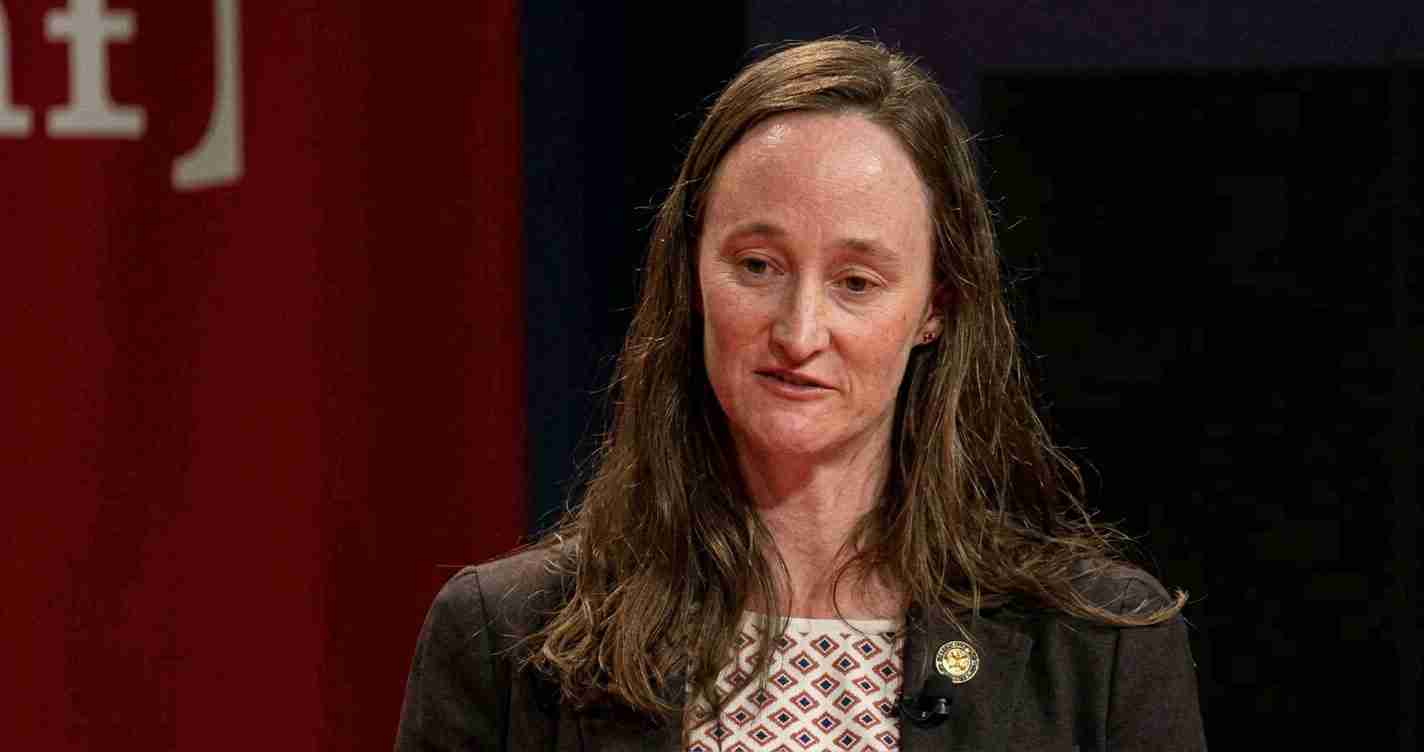
Seattle Mayor Katie Wilson’s quip — ‘the ones that leave, like, bye’ — at an April 14, 2026 Seattle University event ignited debate over Washington’s newly enacted 9.9% millionaire tax and its possible impact on Seattle’s tech economy.
- Mayor’s comment: At a Seattle University event on April 14, Wilson said, “the ones that leave, like, bye,” drawing cheers and sparking online coverage and debate.
- Policy context: Washington enacted a 9.9% tax on taxable income above $1 million in early 2026, a move supporters call progressive and critics say risks out-migration.
- Economic uncertainty: Early data show limited evidence of a mass exodus; economists caution tax policy is one of many factors shaping relocation decisions.
- Local implications: Moves of high earners could affect Seattle’s tech sector and present opportunities and challenges for markets like Las Vegas.
Event and the remark
At the Seattle University Conversations event on April 14, 2026, Mayor Katie Wilson discussed tax options for city and state policy. She called Washington’s tax system regressive and endorsed progressive measures while warning against policies that make Seattle’s business costs “wildly out of step” with nearby cities.
What she said:
“I think the claims that millionaires are going to leave our state are, like, super overblown. And if — the ones that leave, like, bye.”
Video and reporting of the exchange circulated online; see GeekWire coverage and a short video clip.
Policy background: Washington’s tax change
Washington historically relies on sales and business taxes rather than a broad personal income tax. Economists say that mix is regressive, prompting calls for progressive reform. In early 2026 the state enacted a 9.9% tax on taxable personal income over $1 million — often called the millionaires tax.
Supporters say the revenue will fund libraries, parks, shelters and emergency services and help correct inequities in the tax code. Critics warn it could encourage some high earners and companies to relocate to states without personal income tax.
Wilson’s track record and stated goals
Elected in November 2025 and described by supporters as a democratic socialist, Mayor Wilson has championed progressive revenue measures. Her campaign details proposals such as JumpStart, a payroll expense tax on large employers, and emphasizes redirecting revenue toward social services. See the Wilson campaign progressive revenue page.
Wilson says she favors progressive options that do not raise the direct cost of employing people in Seattle and that her budget office is auditing programs to find efficiencies and eliminate underperforming efforts.
Reactions: supporters, critics and the tech sector
Supporters laud Wilson for reframing who should pay for public services and applauded the unapologetic stance toward taxing the wealthy. Advocates point to long-term underfunding of public services as justification for asking the richest to contribute more.
Critics — including conservative commentators and some business leaders — called the remark tone-deaf and warned it risks alienating the tech sector. National Review characterized the “bye” line as evidence the mayor might not be concerned if high earners leave; see the National Review commentary. Tech outlets and executives have warned that tax-driven departures could harm downtown employment and the broader local economy.
What the data show (so far)
As of May 2026, evidence for a large, sustained exodus of millionaires from Washington is limited. Some high earners have moved to no-income-tax states, but large-scale relocation typically unfolds over years and depends on job availability, family ties, and employer locations. Economists caution against assuming tax policy alone will determine migration patterns.
Implications for Las Vegas, Nevada
Nevada’s lack of a personal income tax makes cities like Las Vegas potential destinations for some relocating high earners. Possible effects include:
- Economic: Talent inflows could boost housing demand, local spending, and business recruitment efforts.
- Political: New residents could shift local campaigns and influence debates over taxes and services in Clark County and Carson City.
- Social: Rapid demographic change may strain affordability and community integration, requiring policy responses.
- Practical: Local officials and employers can prepare workforce pitches, monitor housing demand, and target economic development outreach.
Practical applications for local officials and businesses
Workforce strategy: Emphasize tax advantages, housing options and quality-of-life perks to attract remote or relocated tech talent.
Housing policy: Monitor demand and consider targeted affordability measures to prevent displacement.
Economic development: Prepare targeted outreach for startups and remote teams while aligning with long-term planning goals.
Sources and reporting
This article draws on reporting and public statements from the April 14 event. Coverage and source material include GeekWire coverage, a YouTube clip of the exchange, the Wilson campaign progressive revenue page, and commentary from National Review.