Minnesota reports nation’s largest TMVII outbreak — health officials warn of sexually transmitted fungal infection
Minnesota is facing the largest known U.S. outbreak of Trichophyton mentagrophytes genotype VII (TMVII), a sexually transmitted fungal infection causing ringworm-like rashes. More than 30 confirmed or suspected Twin Cities cases have been reported since July 2025.
- Outbreak size: Minnesota has reported 13 confirmed and 27 suspected TMVII cases in the Twin Cities since July 2025 — more than 30 total.
- Symptoms and treatment: TMVII causes round, red, itchy rashes and often requires prescription oral antifungals for weeks to months.
- Transmission: Spreads via skin-to-skin contact (including sexual contact) and possibly contaminated clothing or towels.
- Public health action: The state has enhanced surveillance and is urging clinicians to report and send isolates for confirmation.
Key information
What: An outbreak of Trichophyton mentagrophytes genotype VII (TMVII), a fungus that spreads through sexual contact and causes round, red rashes similar to ringworm. (Sources: CBS News and KSTP.)
Where: Twin Cities metropolitan area, Minnesota; the first known U.S. case was identified in New York in mid-2024. (Sources: KSTP, CBS News.)
Cases: State reports 13 confirmed and 27 suspected cases in Minnesota since July 2025; more than 30 confirmed or suspected in the Twin Cities area. (Sources: Fox News, CBS News.)
Public health action: Minnesota established enhanced surveillance and urged clinicians to report suspected cases and submit isolates for confirmatory testing. (Sources: CIDRAP, Fox News.)
What is TMVII?
TMVII stands for Trichophyton mentagrophytes genotype VII. It belongs to the same fungal family that causes athlete’s foot, jock itch and common ringworm. Health officials note TMVII is the only known fungal-based sexually transmitted infection identified in the U.S. (Source: CBS News.)
Because it is fungal, TMVII is not a virus or bacteria. It can live on skin and on surfaces and spread through direct contact — including sexual contact — and possibly via contaminated items. (Source: CIDRAP.)
Symptoms and appearance
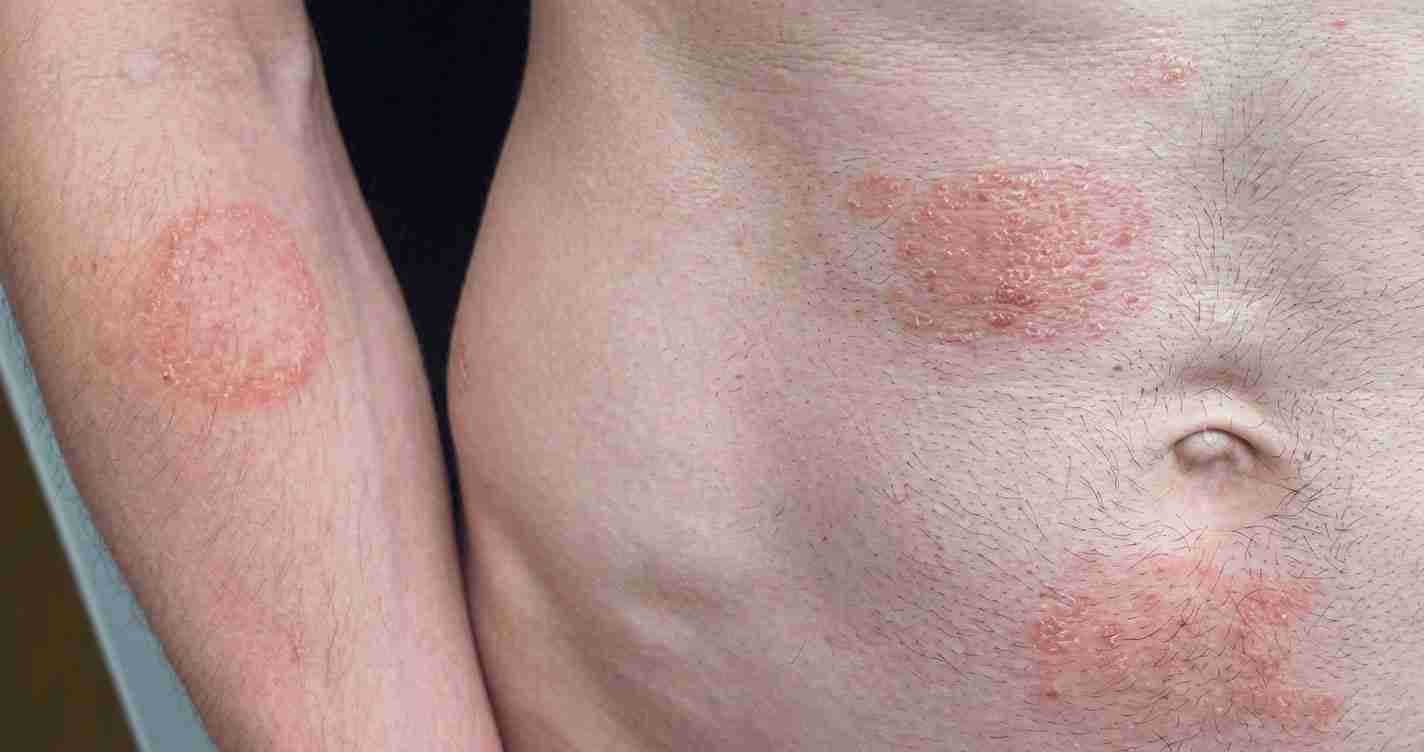
The main symptom is a round, coin-shaped rash that is red, irritated and can spread across the body. Rashes are often itchy and sometimes painful; people have reported bumps or pimples on top of the patches. TMVII rashes may appear on the arms, legs, trunk, thighs, abdomen, genitals and buttocks and can be mistaken for eczema or psoriasis. Left untreated, scarring or secondary bacterial infection is possible. (Sources: CBS News, KSTP, Komonews.)
Transmission and who is at risk
TMVII spreads through direct skin-to-skin contact, including sexual activity. Fungal spores may also survive on clothing, towels and surfaces and cause infection that way. Public reporting indicates higher occurrence among men who have sex with men and commercial sex workers, though anyone with skin contact with an infected person can be affected. People with recent histories of sexually transmitted infections may be at elevated risk. (Sources: Fox News, CBS News, CIDRAP.)
Timeline and spread in the U.S.
Public health officials report the first U.S. TMVII case was found in New York in mid-2024. Minnesota confirmed its first local case in July 2025 when a patient sought care for a genital rash. Since then the state has recorded 13 confirmed and 27 suspected cases in the Twin Cities area. The CDC is tracking reports from multiple cities across the country. (Sources: KSTP, CBS News, Fox News.)
Diagnosis and TMVII symptoms treatment
Clinicians may suspect TMVII when rashes fail to improve with over-the-counter antifungal creams. Confirmed diagnosis often requires a skin scraping for fungal culture and DNA sequencing to identify the genotype. Current evidence indicates prescription oral antifungals are effective, but treatment generally takes longer than routine ringworm — often several weeks up to three months for full resolution. (Sources: CBS News, Fox News, Komonews.)
“Symptoms are similar to usual ringworm or jock itch and can be mistaken for eczema — round, itchy spots with a rough appearance,” said Dr. Hayden Andrews, an infectious disease specialist. (Source: Fox News.)
Public health response
Minnesota Department of Health (MDH) established enhanced surveillance after patient reports and named contacts. MDH urged health care providers to report suspected cases and submit fungal isolates to the state public health laboratory for confirmatory testing. The state issued a clinician health advisory on Feb. 11 recommending recognition and appropriate treatment. The CDC is coordinating tracking of cases reported by state health departments. (Sources: CIDRAP, Fox News, Komonews.)
Prevention and management guidance
Health officials recommend the following for people diagnosed with or who suspect TMVII:
- Avoid skin-to-skin contact, including sexual activity, until treatment is complete. (Sources: CBS News, Fox News.)
- Notify recent sexual partners so they can seek evaluation and treatment.
- Do not share clothing, towels, or personal items; wash linens and towels on hot settings and sanitize bathing areas.
- Seek medical care promptly for round, itchy rashes that do not respond to over-the-counter creams. (Sources: CBS News, CIDRAP.)
Implications for Las Vegas, Nevada
Las Vegas’ high visitor volume and close social networks raise specific public health concerns. Local officials and providers should consider targeted preparation:
- Risk to residents and visitors: Nightlife and entertainment settings may increase opportunities for skin-to-skin transmission; sexual health clinics in Clark County should be ready to recognize TMVII symptoms and advise on treatment and partner notification.
- Health system readiness: Clinics may need guidance on testing and when to send fungal isolates to public health labs for confirmatory testing; oral antifungals are often required and local labs may need to forward samples for DNA sequencing. (Background: CBS News, Komonews.)
- Public messaging: Targeted outreach for venues and at-risk populations — including gay and bisexual men and commercial sex workers — should convey practical prevention without stigma.
- Impact on tourism and businesses: TMVII is treatable with prescription antifungals and rarely causes severe illness, but hospitality and personal-services employers should refresh linen and towel cleaning protocols and train staff to report suspicious skin infections.
- Access and equity: Ensure testing and treatment are affordable and accessible; outreach should reach non-English speakers and underserved groups via community clinics and sexual health centers.
- Coordination: Clark County should track CDC and state advisories and set up reporting channels so local cases are identified quickly and specimens sent for confirmation. (Sources: Fox News, CIDRAP.)
If you think you may have TMVII
Seek care from a clinician or sexual health clinic if you have a round, red, itchy rash — especially involving the genitals, buttocks, thighs or trunk — that does not improve with over-the-counter treatments. Tell your provider about recent sexual contacts for partner notification, follow treatment advice, avoid skin-to-skin contact until cleared, and wash clothing and bedding on hot settings to reduce re-infection risk. (Sources: CBS News, Fox News, CIDRAP.)