McDonald’s to phase out self-serve soda fountains nationwide by 2032, shifting to crew-poured drinks
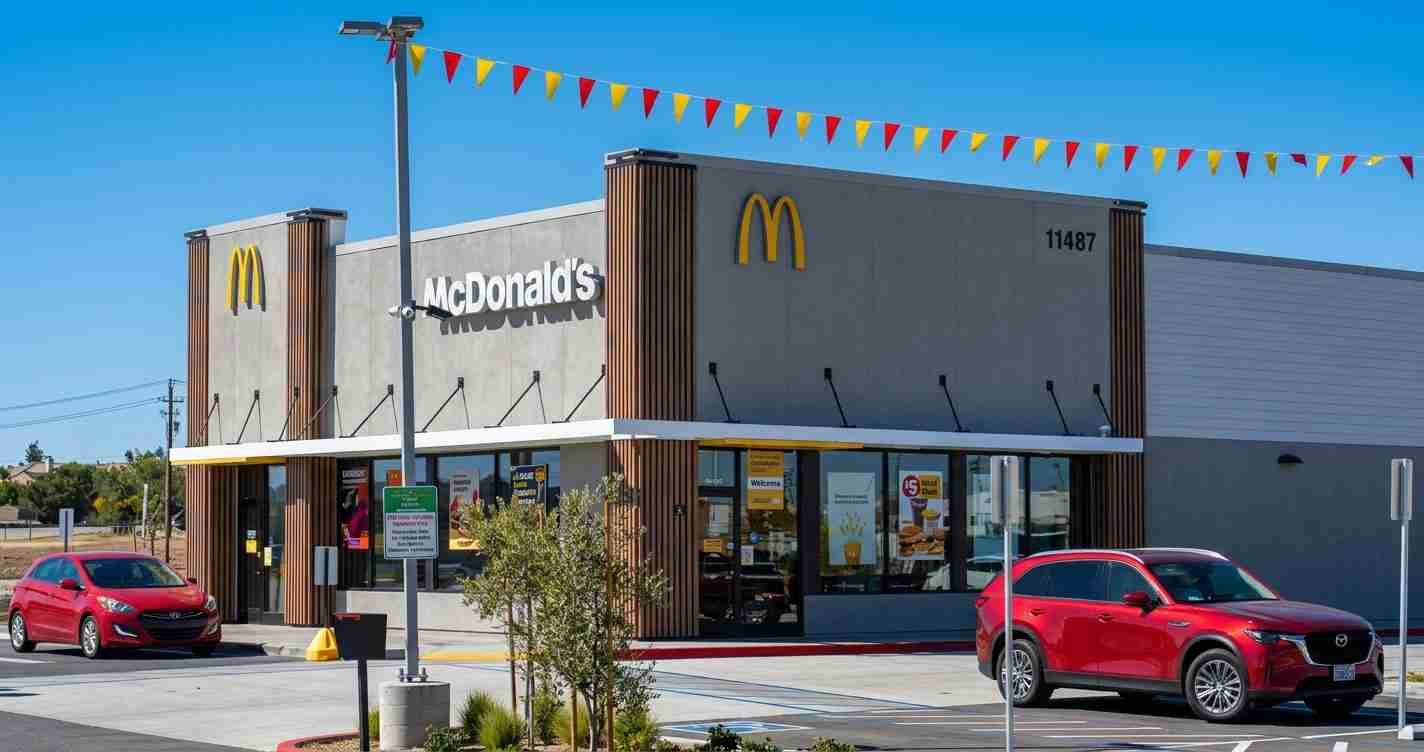
McDonald’s will remove self-serve soda fountains from all U.S. restaurants by 2032, ending free refills as crew members pour beverages to improve consistency, safety and operational efficiency amid declining dine-in traffic and rising digital orders.
Key takeaways
- Nationwide phase-out: Self-serve fountains will be removed through 2032 as restaurants remodel or update, per Fox Business and reporting segments on YouTube.
- Operational goals: Crew-poured drinks aim to standardize portions across kiosks, app, counter, drive-thru and delivery while reducing maintenance and cleanliness issues.
- Customer changes: Open refills will end in dining rooms; McDonald’s plans new Refreshers and crafted sodas to broaden options.
Main content
Why McDonald’s is making the change
McDonald’s says shifting away from publicly accessible soda machines will create a more consistent drink experience across ordering channels. Having crew members pour beverages helps standardize portion sizes for orders placed at kiosks, on the app, at the counter, in the drive-thru or via delivery — an important factor for brand control and inventory management.
“Our fans’ love for McDonald’s beverages runs deep. Next month, we’re building on that passion with a new era of beverages, featuring a variety of Refreshers and crafted sodas rolling out nationwide.”
Safety and cleanliness are cited as additional reasons: managers and company materials point to concerns about germs, misuse and theft related to open fountains. Crew-poured drinks limit customer access to dispensing equipment and aim to reduce cross-contamination risks.
Operational reasons and expected savings
Self-serve fountains require frequent maintenance, cleaning and supply restocking. Moving pour responsibilities behind the counter reduces some equipment needs, removes dining-room clutter and can speed service when restaurants prioritize drive-thru and delivery. Industry reporting notes franchisees may realize meaningful cost and time savings (see Fox Business).
How the rollout will work
The transition will be gradual: McDonald’s plans to phase out dining-room self-serve fountain drinks through 2032 as part of remodels and new-store builds. Some locations already serve sodas from staff stations or mechanical filling systems rather than public fountains, giving franchisees time to adopt equipment and train staff.
Industry observers say the phased approach lets McDonald’s test customer reactions and operational effects before a full nationwide conversion. Reporting and local manager accounts indicate the change is already underway in certain markets (see the YouTube reporting segment).
Customer impacts: refills, customization and convenience
The most visible change for customers is the end of free, unlimited self-serve refills in dining rooms. With crew members controlling pours, customers should expect portions and refills to be managed by staff — a shift from long-standing habits for many diners.
Customization at the fountain — mixing flavors and creating so-called “dirty sodas” — may be reduced. To address that demand, McDonald’s says it will expand its beverage lineup with new Refreshers and crafted sodas described as “dirty sodas”, part of a broader modernization effort (reported company statement; see Fox Business).
Service trade-offs: Staff-poured drinks could introduce slightly longer waits when crews are busy, though McDonald’s materials and analysts argue the change will speed up core services tied to takeout and drive-thru where most traffic now sits.
Industry context: a broader trend
This move mirrors trends since the COVID-19 pandemic: fast-food chains increasingly prioritize digital ordering, curbside pickup and drive-thru service over dine-in. Automated beverage systems, streamlined back-of-house processes and smaller dining footprints are common as chains seek cost cuts, speed and consistency.
The decision also responds to cost pressures on franchisees: fountain machines are costly to maintain and service frequently. Removing self-serve stations reduces maintenance burdens and dining-room management labor across thousands of stores.
Evidence and reporting
Multiple recent reports documented the plan and the 2032 target, and noted examples of restaurants that already shifted to crew-poured drinks during remodels. Local manager accounts and customer posts on forums reinforce that fountain removals are occurring in some markets. See coverage from Fox Business and a YouTube segment for details.
Implications for Las Vegas, Nevada
Economic impact
Las Vegas franchisees could see savings from reduced fountain maintenance and lower dining-room upkeep, helping offset local labor and supply cost increases. However, tourists accustomed to quick in-dining refills may view the change as a small loss of perceived value in high-volume areas like the Strip.
Political and social effects
While not likely a direct political issue, the change ties into broader debates about automation, labor and service expectations in Nevada. Socially, families and shift workers who relied on refills may notice the difference; others may appreciate improved consistency and cleanliness.
Practical guidance for local customers
Expect changes as stores remodel. Drive-thru and mobile orders should be largely unaffected. If you rely on multiple refills while dining in, plan to ask staff for additional pours or purchase another drink. Franchisees will adopt new configurations based on remodel schedules, so timing will vary.
Sources
- Fox Business, “McDonald’s says goodbye to self-serve soda fountains,” March 2026
- YouTube reporting segment, March 2026
Additional reporting will be needed as McDonald’s shares rollout specifics and as local Las Vegas franchisees begin remodels that remove dining-room fountain drinks.