Latin America’s socialist experiments leave “equality of misery,” critics say — Cuba and Venezuela cited for economic collapse and repression
Critics argue Latin America’s 20th- and 21st-century socialist experiments — notably in Cuba and Venezuela — produced economic collapse, pervasive shortages and political repression, yielding what Miami Mayor Francis Suarez called an ‘equality of misery’ and displacement.
- Widespread economic decline: Critics link nationalizations and central planning to shortages, hyperinflation and collapsing public services.
- Political repression and exile: Cuba’s post‑1959 repression and Venezuela’s political breakdown drove large migration waves and diasporas.
- Complex causes: External pressures (embargoes, sanctions) and internal policy failures (corruption, price controls) both contributed.
- Local impacts: U.S. cities including Las Vegas may face economic, social and political effects from continued regional instability.
Overview and key information
Critics say several 20th- and 21st-century socialist projects in Latin America produced large-scale economic decline, shortages and political repression. (Source: Fox Business.)
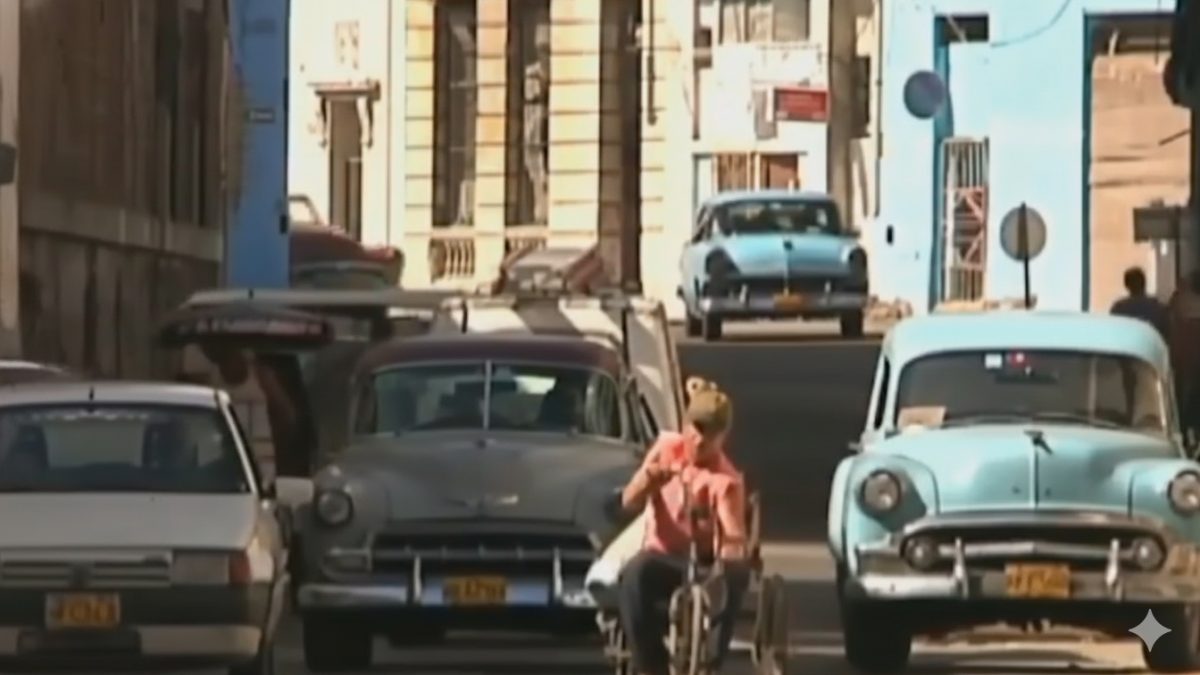
Cuba: After 1959 the revolutionary government nationalized industry and repressed dissent, contributing to long-term hardship and a large exile community. (Source: Fox Business.)
Venezuela: The Chávez-era turn to socialist policies is tied to hyperinflation, collapsing public services and mass emigration. (Source: Fox Business.)
Chile: The 1970s democratic socialist experiment faced intense external pressure and internal crisis, culminating in the 1973 coup. (Source: MIT Press Reader.)
Intellectual roots: Many movements drew on dependency theory and other critiques of global inequality, but many countries shifted to neoliberal policies in the 1980s. (Source: Historical Materialism.)
Cuba under Fidel Castro
Rapid transformation: When Fidel Castro’s rebels took power in 1959, they quickly nationalized industry, centralized planning and cracked down on dissent. Supporters argued these moves sought to redistribute wealth and reduce inequality.
Economic and social effects: Critics contend the policies prompted the flight of business owners and professionals, a shrinking private sector and persistent shortages. By the 1960s and 1970s many Cubans left the island, forming large exile communities—especially in Miami.
Some critics cite recent estimates that by 2023 as many as 88% of Cubans lived in extreme poverty, with basic goods and services scarce for much of the population and privileges concentrated among party elites. (Source: Fox Business.)
Venezuela: oil wealth, policy shifts, and collapse
Resource curse and policy choices: Venezuela, once among the region’s wealthier nations due to oil, pursued socialism under Hugo Chávez and successors: the state assumed control of industries, imposed price controls and expanded subsidies.
Economic breakdown: Those policies—combined with corruption, falling oil production and lower oil prices—undermined revenue and the private sector. The economy endured hyperinflation (estimates peaked at 63,000% in 2018). While inflation has eased from that peak, Fox Business reports recent figures around 225%, alongside chronic shortages of food and medicine. (Source: Fox Business.)
Migration: Millions of Venezuelans left seeking work and security, producing one of the largest migration waves in the region and creating humanitarian pressures in neighboring countries.
Chile’s democratic experiment and outside pressure
Allende’s approach: Salvador Allende, elected in 1970, sought socialism through democratic institutions—nationalizing key industries and pursuing redistribution.
Multiple stressors: Falling copper prices, internal opposition, black-market activity and a loss of foreign credit strained the economy. Scholars also highlight external interference and economic pressure—elements that aggravated the crisis and set the stage for the 1973 military coup. (Source: MIT Press Reader.)
Historical and intellectual context
Roots in real grievances: Many movements grew from extreme inequality, concentrated land ownership and limited opportunity. Intellectual currents such as dependency theory argued Latin American underdevelopment was tied to global economic structures favoring wealthy nations and local elites. (Source: Historical Materialism.)
Common vulnerabilities: In examples closest to Marxist-Leninist models, critics point to centralized decision-making, suppression of dissent and weakened market signals that can reduce productivity—producing short-term equality in some measures but long-term declines in living standards.
External pressures and internal policy failures
Two-sided causation: Analysts caution against simplification. External drivers—embargoes, sanctions and Cold War geopolitics—affected outcomes. Cuba endured a long U.S. embargo; Chile’s Allende faced clear external hostility; Venezuela faced sanctions in the 2010s. Yet many experts emphasize internal policy choices—nationalizations, price controls, weakened property rights, and corruption—as decisive contributors to decline.
Human cost and migration
Immediate suffering: Food and medicine shortages and weakened public services drove millions from their homes. Cuba’s exile communities reshaped U.S. cities, and Venezuela’s mass migration created humanitarian challenges across Latin America.
“equality of misery, equality of repression, equality of poverty” — Miami Mayor Francis Suarez
Implications for Las Vegas, Nevada
Economic impact: Las Vegas’ economy is tied to global tourism and immigration. Large migration flows can alter labor markets, housing demand and social services. While Las Vegas has not seen Cuban or Venezuelan migration at Miami’s scale, instability can increase arrivals to the U.S. West and affect rental markets and school enrollment.
Political consequences: Debates about socialism and its outcomes can influence local politics, shaping conversations on housing, labor and public benefits.
Social and cultural effects: Local advocacy networks, nonprofits and diasporic communities may mobilize to provide relief and integration services. Stories of revolution, exile and survival resonate in civic life and community organizations across Las Vegas.
Practical planning: City agencies, school districts and nonprofits should prepare for changing needs: language services, legal aid, workforce training and housing supports. Businesses in tourism and hospitality may need strategies to hire and train newcomers while monitoring remittance and cross‑border trade shifts.