
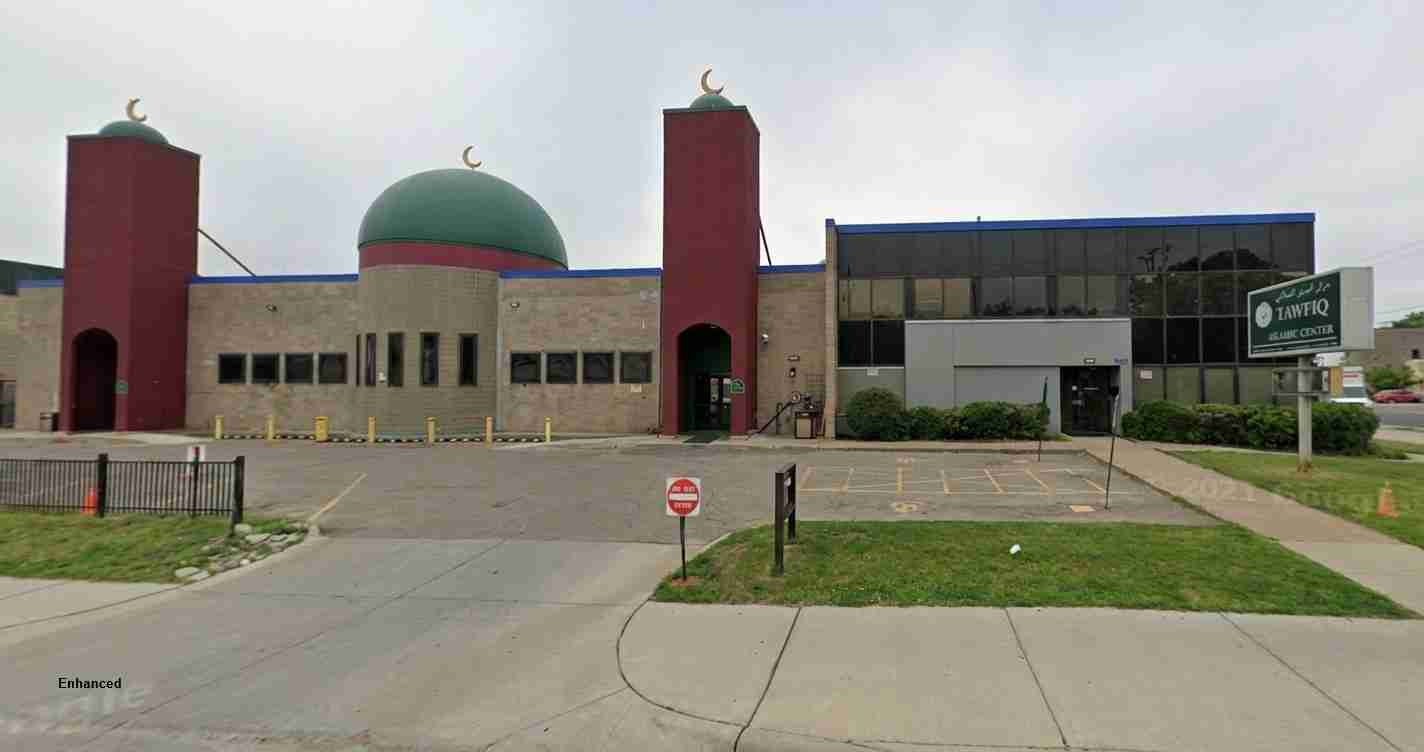
Inside Little Mogadishu: Minneapolis’ Cedar-Riverside community navigates culture, politics and a cloud of fraud claims
Cedar–Riverside — Minneapolis’s “Little Mogadishu” — is a dense cultural hub for the nation’s largest Somali community, balancing daily life, rising political influence and a spotlight of contested national claims about welfare, immigration and allegations tied to Rep. Ilhan Omar.
- Community anchor: Cedar–Riverside is the cultural and social center for Minnesota’s Somali diaspora, known for mosques, halal businesses and strong neighbor ties.
- National scrutiny: Coverage frames the neighborhood within debates over welfare and immigration fraud and repeated allegations about Rep. Ilhan Omar that she disputes.
- Complex everyday life: Residents report mutual support and safety even as some reporting highlights poverty and urban challenges.
- Policy implications: The national debate can affect other cities — including Las Vegas — via funding, political rhetoric and community relations.
The neighborhood: Cedar–Riverside and the “Little Mogadishu” identity
Cedar–Riverside sits just south and west of downtown Minneapolis, dense and connected to transit yet separated by freeways and the Mississippi River. Over decades it became a gateway for immigrants; today Somalis form the largest group, creating a cultural hub with an estimated population around 8,000 residents and a large Somali share.
The nickname “Little Mogadishu” captures visible Somali life — mosques, halal markets, restaurants and Somali signage — and reflects how many treat the area as a symbolic homeland for shopping, worship and social connection.
Daily life and community feel
On the street one finds men in kufis, women in hijabs and abayas, youth engaged with rap and social media, and elders who often speak limited English. Residents describe tight social ties: neighbors greeting each other, Somali-owned cafés and businesses functioning as meeting places.
One long-standing gathering spot on Riverside Avenue has been called a “Somali Starbucks,” a late-night social hub comparable to a town bar for a largely non-drinking community.
At the same time, external reporting sometimes emphasizes poverty and urban strain. Descriptions of sections as “hollowed out” or “run-down” sit uneasily beside residents’ accounts of safety and mutual support, revealing a gap between outsider frames and lived experience.
Fraud controversies and national scrutiny
Recent coverage positions Cedar–Riverside within a broader national debate on welfare and public-assistance fraud. Conservative commentators and political figures, including former President Donald Trump and allies, have alleged misuse of family-reunification rules and welfare programs by some Somali immigrants in Minnesota. These are politically charged claims often aired at rallies and in speeches.
Important context: allegations of widespread or systemic fraud are complex and frequently lack clear, conclusive proof when generalized to an entire community. Reporting and fact-checking show such claims require careful substantiation.
Ilhan Omar controversy
The neighborhood’s most prominent political figure, Rep. Ilhan Omar, has faced persistent allegations — including claims she entered a marriage to facilitate immigration — that she has categorically denied. Mainstream fact-checking has found those specific allegations unproven and lacking credible public evidence, while media coverage continues to treat the matter as an ongoing controversy linked to immigration narratives.
Politics and representation
Cedar–Riverside leans progressive and is politically active. Yard signs, community organizing and the rise of Somali elected officials show growing civic participation. For supporters this signals successful integration and voice; for critics the neighborhood has become a focal point for anxieties about cultural and demographic change.
Integration, identity and internal tensions
Younger Somalis often feel pulled between embracing American life and preserving Somali and Muslim traditions. Cultural practices such as Ramadan observance, dress and cuisine remain central, even as many youth pursue mainstream careers, creative fields and higher education. These intergenerational tensions shape family life and community norms.
How Cedar–Riverside became Little Mogadishu
Physical separation by freeways and the river, combined with immigrant gateway dynamics, allowed a distinct community identity to form. Somali-owned businesses, religious institutions and social organizations reinforced the neighborhood’s hub role, drawing Somalis from across the Twin Cities to shop, meet family and attend events — effectively making Cedar–Riverside what many call the Somali capital of America.
Implications for Las Vegas, Nevada
Economic: While Las Vegas lacks Minneapolis’s Somali concentration, federal policy shifts on refugee resettlement or benefits could reduce nonprofit funding and resettlement support that also operate there.
Political: Nationalized attacks on immigrant communities and figures like Rep. Omar can shape voter attitudes in urban areas such as Las Vegas, pressuring local leaders on policing, social services and refugee programs.
Social: National narratives portraying refugees as fraud-prone may heighten stigma and strain schools and services; civic and faith groups often step in to build bridges and present accurate information.
Practical applications: City officials and nonprofits can strengthen language access, legal aid, transparent benefit systems and community-building programs — lessons drawn from Minneapolis that can apply in Las Vegas.
Reporting sources
- WHMI summary of Fox Digital: Inside Little Mogadishu — Minnesota’s Somali community, its push for belonging
- Inside Little Mogadishu (Fox News) video
- Star Tribune: Go inside ‘Little Mogadishu,’ the Somali capital of America
- Cedar–Riverside, Minneapolis (Wikipedia)
All original facts, context and source URLs are preserved above.



