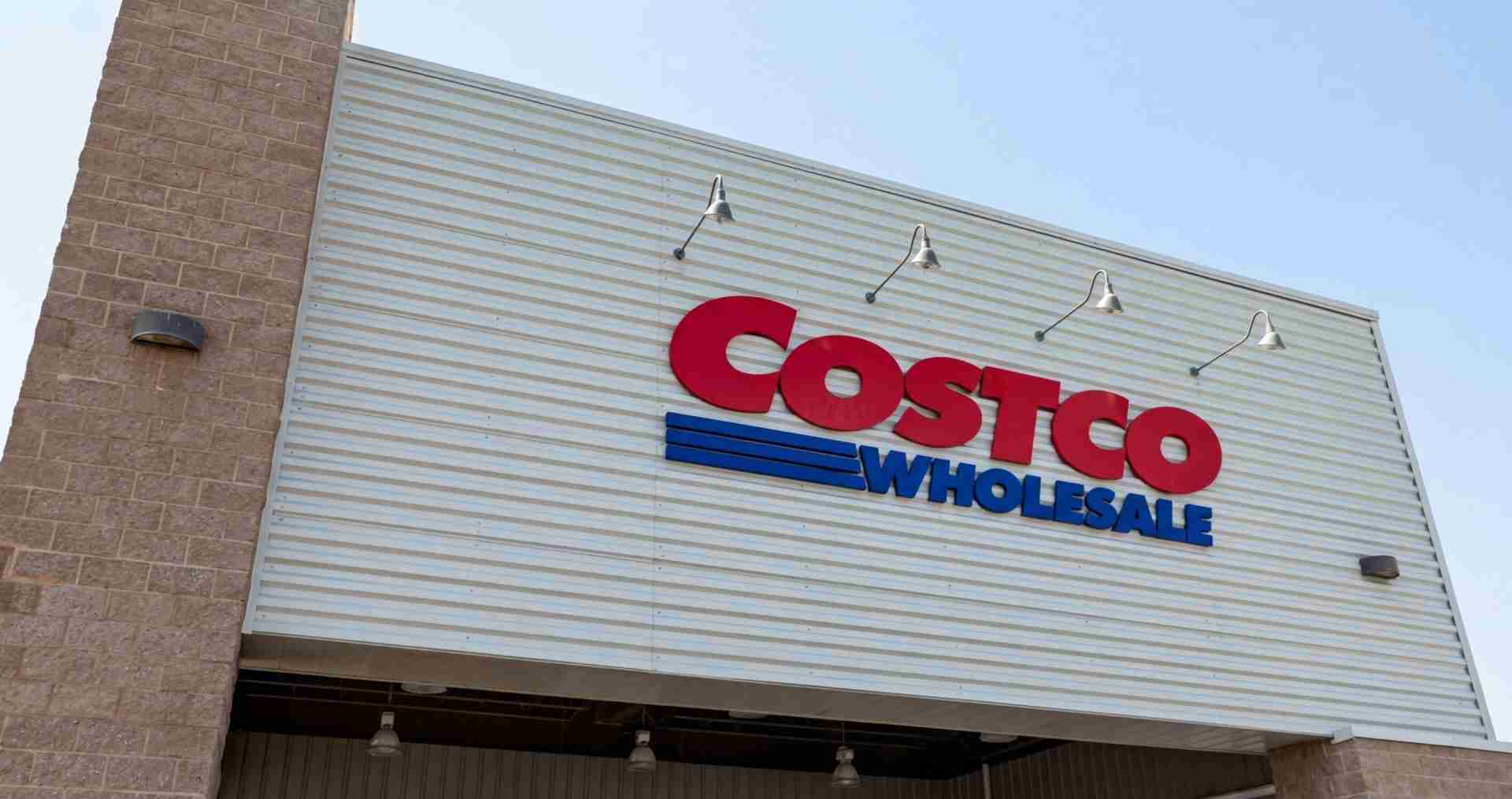
Costco bets on speed: new pre-scan checkout and 8-second pay stations aim to fix long lines
Costco is piloting a pre-scan checkout that lets members scan items with the Costco mobile app while they shop and finish payment at automated pay stations in about eight seconds after a quick employee verification.
- Pilot launched: Pre-scan app scanning + employee verification, started in 27 stores in May 2025.
- Rapid payment: Automated pay stations process verified pre-scans in about eight seconds, per company remarks.
- Not full self-checkout: Model blends staff verification with automation to reduce shrink and speed flow.
- Wider tech push: Tied to mobile wallet upgrades, pharmacy pay-ahead, personalization and exploration of AI tools.
How the Costco pre-scan checkout system works
The pilot is intentionally different from classic self-checkout. Members use the Costco mobile app to scan product barcodes while they shop; the app builds a running order and generates a unique QR code or token at trip end. Before payment, an employee performs a quick visual or barcode check. After verification, an automated pay station reads the pre-scan code and processes payment—often in about eight seconds, company officials said.
“The pilot began in 27 stores in May 2025,” company remarks and industry coverage note—emphasizing speed and the retained employee verification step.
Costco leadership’s push and the business case
Under CEO Ron Vachris and CFO Gary Millerchip, Costco is shifting from solely cashier-led lanes toward tech-enabled options. Millerchip highlighted mobile wallet enhancements, pharmacy pay-ahead and employee pre-scan tools as ways to improve checkout speed and employee productivity during the Q2 2026 earnings call.
Management frames the effort as preserving Costco’s low-price, low-margin model—faster lanes could increase shopping frequency and member satisfaction without raising prices.
Early results, member reaction and past experiments
Costco reports improved traffic flow at pilot stores and favorable member feedback, contrasting with earlier, smaller self-checkout tests in the early 2020s that were inconsistent and sometimes rolled back. The current pilot keeps staff involved to reduce scanning errors and shrink.
Industry coverage and company remarks suggest the hybrid model aims to learn from past trials while testing whether verification remains fast and accurate during peak hours.
Generational and practical hurdles
Consumer data show a generational split: 43% of all shoppers prefer self-serve options, 53% of those 18–44 favor DIY lanes, while shoppers 55+ tend to prefer manned lanes—often because of large carts. For Costco, which serves bulk buyers, the question is whether pre-scan verification can handle missed scans, damaged packaging and very large carts.
Privacy, security and future tech
Reports suggest Costco may test biometric entry options in future phases—facial or fingerprint scans for membership verification. Those options could speed entry but raise privacy and security concerns, especially in states with strict biometric laws. Wider rollout would likely draw scrutiny from privacy advocates and regulators.
Costs, labor and the employee role
The pre-scan model retains employees for verification rather than replacing them entirely. That could protect jobs relative to full self-checkout, but it also shifts tasks and training needs: staff will verify orders faster and focus more on loss prevention and customer assistance. Labor groups and local advocates will watch whether productivity gains translate into pressure on staffing.
Rollout questions and what to watch
The pilot began in 27 stores in May 2025; Costco has not announced a nationwide rollout. Expansion will likely depend on pilot metrics: transaction speed, shrink (loss prevention), employee workload and member satisfaction. The company’s strong Q2 results—net sales up 9.1% to $68.24 billion and net income up 13.6% to $1.36 billion—give it room to test without immediately risking member value.
Implications for Las Vegas, Nevada
Economic impact
Faster checkout could boost shopping efficiency for Las Vegas residents—particularly shift workers and service employees—by reducing time spent in store. Local Costco warehouses are major employers; if the system increases productivity without cutting jobs, stores could handle more members with similar staffing. If automation reduces staffing needs, the region’s service-heavy economy could feel the effects.
Political consequences
Local elected leaders monitor large employers. Changes that affect jobs, wages or privacy (for example, biometric verification) could become political issues in Nevada. Lawmakers and privacy advocates may push for protections or oversight if biometric options advance.
Social effects
Las Vegas bulk buyers—families, rental property managers and small businesses—may welcome faster checkout if the system handles large carts well. If older shoppers or non-smartphone users struggle, community groups and senior centers will likely press Costco for clear staff-assisted lanes and accessible signage.
Cultural relevance
Cost-conscious Las Vegas residents prize savings. If tech improves throughput without raising prices, it aligns with local values around thrift and convenience. Any perceived erosion of the low-price model would conflict with Costco’s core appeal in the city.
Practical day-to-day impact
- Members: Faster trips if the pilot performs; bring your phone and know the app.
- Non-smartphone users: Manned lanes are likely to remain; community advocates should watch for clear signage and staff help.
- Small businesses: Quicker checkout could reduce restocking time and raise efficiency.
Sources and further reading
Full original reporting and company remarks are available from the following sources:
- The Takeout: “Costco’s new fast checkout plan”
- Sporked: “Costco changing checkout system”
- Parade: coverage of earlier self-checkout trials
- Video reporting on biometric testing and membership options
- Remarks summarized from Costco’s Q2 2026 earnings call (March 5, 2026)
What Las Vegas shoppers should watch next
Local Costco members, community leaders and employers should monitor pilot stores for changes in lane speed, signage and staff support. Store-level feedback will help determine whether the pre-scan checkout system and automated pay stations expand and how they perform for bulk shoppers and non-smartphone users.
Key metrics to watch: transaction speed, shrink/loss prevention, employee workload and member satisfaction. Community groups should also track language access and privacy implications as the pilot evolves.