Turning points: How Charlie Kirk’s words were distorted and weaponized after his assassination — what he actually said and why it matters
Charlie Kirk was assassinated on Sept. 10, 2025, at Utah Valley University; his killing sparked sharp political debate about whether critics distorted his past remarks, fueling retaliation and disputes over context, verification and public safety.
- Event: Kirk was shot while speaking at Utah Valley University and later died in hospital (Wikipedia: Assassination of Charlie Kirk).
- Contested framing: Supporters say clips and excerpts were used out of context; critics say his history of blunt rhetoric justified scrutiny (source: Wikipedia: Assassination of Charlie Kirk).
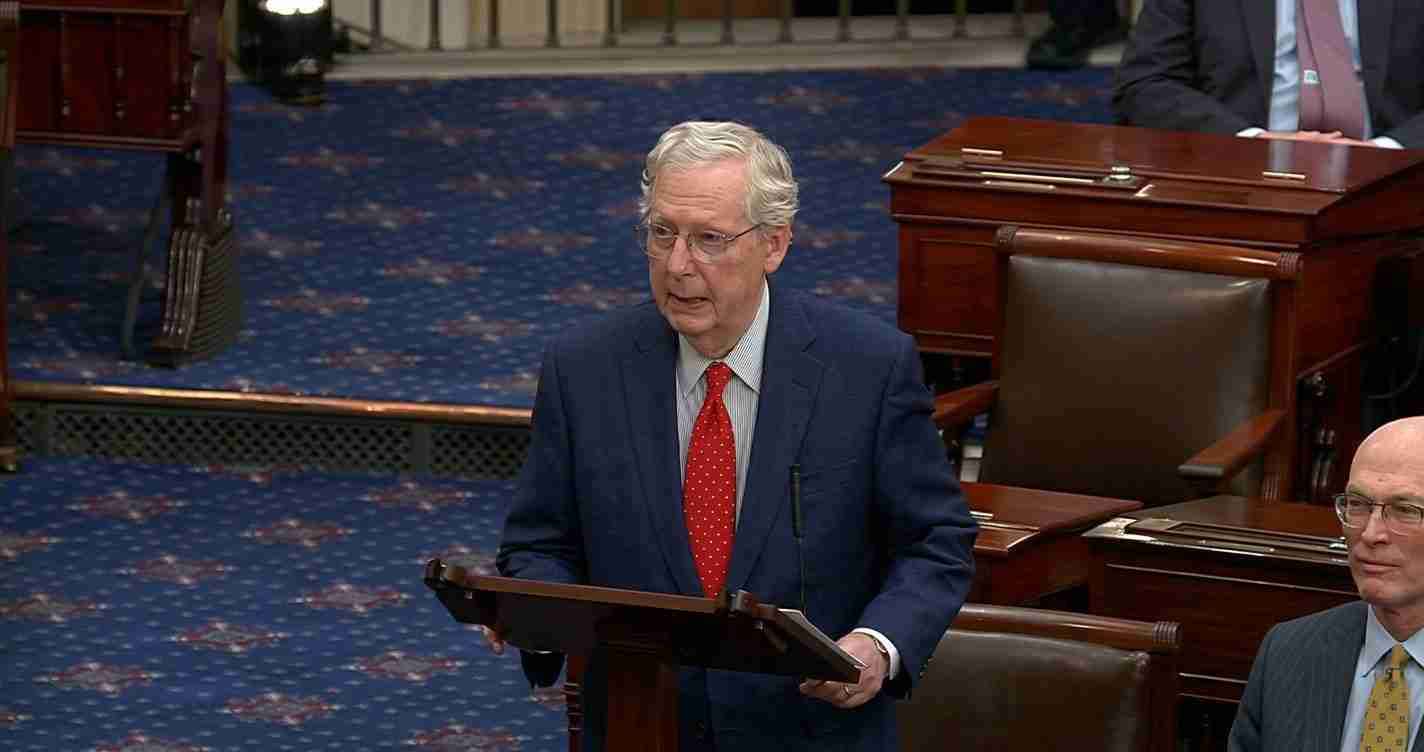
- National response: Lawmakers quickly condemned the killing; the U.S. Senate passed S.Res.391 to honor Kirk (source: S.Res.391 text).
What happened at UVU and what is known about Kirk’s remarks
Eyewitness and media accounts say Kirk was speaking directly with a student about mass shootings at Utah Valley University when a sniper shot him in the neck. He was taken to a hospital and later died (Wikipedia: Assassination of Charlie Kirk).
Reporting provides an outline of Kirk’s on‑stage remarks: he defended conservative approaches to gun policy and argued for limited government responses to crime, consistent with his public record. There is no verified, full transcript or complete confirmed video of his UVU remarks in the public record, which limits precise verification (Wikipedia: Assassination of Charlie Kirk).
Why critics and supporters clashed over his words
In the days after the killing two narratives hardened quickly. One argued the attack reflected a climate of overheated rhetoric; the other said opponents selectively quoted Kirk to tarnish his reputation. Both sides often relied on fragments rather than full context.
“Weaponizing Kirk’s words” became a charge used by conservative allies to describe opponents’ reposting of excerpts; critics argued that recurring provocative commentary by Kirk was a legitimate focus of public scrutiny.
Responsible reporting requires weighing excerpts against primary-source material; without complete records, judgments about distortion are provisional (source: Wikipedia: Assassination of Charlie Kirk).
Reports of retaliation and punitive measures
After the UVU shooting there were multiple accounts of people facing consequences for their online posts or comments about Kirk. Reports included online harassment, employer or university reviews of staff social media, and public naming by groups of people said to have celebrated the killing (source: Wikipedia: Assassination of Charlie Kirk).
Legal and ethical questions followed: institutions must balance free‑speech protections with public safety and reputational risk. Congressional leaders and others rushed to condemn the assassination and to de‑escalate tensions, reflected in the swift passage of the Senate resolution honoring Kirk (see: S.Res.391 text).
Limits of the record: what “what he really said” does — and does not — mean
A careful account must acknowledge limits of available evidence. Public summaries do not include a verified, word‑for‑word transcript of Kirk’s UVU remarks. That gap matters because small differences in phrasing can alter meaning when clips are excerpted.
When critics republished excerpts, meaning could shift depending on sentences immediately before or after a clip. Without primary material, it is difficult to say definitively which uses were fair and which were manipulative. This underscores the need for verification before concluding distortion.
How political leaders shaped the debate
High‑profile officials and commentators quickly used the event to advance broader arguments. Some conservative leaders blamed an oppositional climate; some progressive voices cautioned against premature assignment of blame and urged methodical investigations (Wikipedia: Assassination of Charlie Kirk).
The Senate’s rapid passage of a resolution condemning the killing and honoring Kirk demonstrated how lawmakers sought to send a unified moral message even as factual work continued (see: S.Res.391 text).
The role of social media and news coverage
The UVU shooting unfolded in a high‑velocity media ecosystem. Short clips and screenshots spread rapidly; algorithms often favored emotionally charged content, which amplified both criticism and counter‑criticism.
Fact‑checkers and independent reporters worked to verify clips and claims, but the sheer volume of posts complicated verification. The episode shows how online speed can outpace careful reporting in moments of national crisis (source: Wikipedia: Assassination of Charlie Kirk).
What investigators and reporters still need
To move beyond contested narratives, investigators and journalists need primary‑source material: verified video or a full transcript of Kirk’s UVU remarks, police and federal records related to the shooting, and corroborating witness statements. Independent newsrooms and fact‑checkers should press for access to original recordings.
Implications for Las Vegas, Nevada
Las Vegas, as a major venue for national political events, faces several practical and political consequences from the broader controversy over Kirk’s words.
Economic and civic fallout
Organizers of rallies and university forums may face higher insurance costs and tighter security. Vendors and venues could see increased expenses or changes in demand as planners reassess risk.
Political and electoral consequences
Nevada’s competitive politics mean local candidates may use the controversy to argue for stronger safety measures or to critique opponents for stoking polarization. Messaging around national figures at local events may shift.
Social and community effects
Backlash and reported retaliation can chill campus and civic speech. Student groups and community organizations in Las Vegas may face greater scrutiny or self‑censorship when handling polarizing speakers.
Practical changes residents might see
- Increased police presence at political events and extra screening at university talks.
- Updated social‑media and conduct policies by employers and colleges in response to online controversy.
- A public reminder to seek verified sources when assessing claims that someone’s words have been “weaponized.”
Sources and further reading
– Wikipedia: Assassination of Charlie Kirk
– U.S. Congress: S.Res.391 text
Who to watch next
Local Las Vegas newsrooms and national reporters should press for full records and verified footage. Public officials and university leaders can use this moment to review safety protocols and clarify policies on speech and disciplinary response when online controversy spills into real‑world consequences.