California bowtie pasta recall prompts deli-item warnings at Vons, Safeway and Albertsons over Listeria contamination risk
California consumers are urged to check refrigerators and dispose of or return deli items made with bowtie pasta purchased at Vons, Safeway and Albertsons after an ingredient supplier recalled its product over possible Listeria monocytogenes contamination.
- What happened: Prepared deli salads and ready-to-eat items containing bowtie (farfalle) pasta were pulled after a supplier recall for potential Listeria monocytogenes.
- Who is affected: Customers who purchased deli-prepared foods with bowtie pasta from Vons, Safeway and Albertsons in California.
- Immediate action: Do not eat the recalled items — return for a refund or safely discard; keep labels or receipts if available.
- Health risk: Listeria can cause severe illness in pregnant people, infants, older adults and immunocompromised individuals.
Investigation and recall details
The recall traces to Nate’s Fine Foods, a Roseville, California ingredient supplier that voluntarily recalled its bowtie pasta ingredient after test results raised concerns about potential Listeria monocytogenes contamination. Retailers that used the affected pasta in prepared deli items — specifically Vons, Safeway and Albertsons — posted notices and removed impacted ready-to-eat products from deli and salad sections across California.
Coverage and notices were reported by trusted outlets including Marler Blog and the Desert Sun, which detail retailer actions and the supplier recall.
At the time of reporting, officials had not yet confirmed any illnesses tied directly to the deli items, though investigations remain ongoing.
Why Listeria is serious
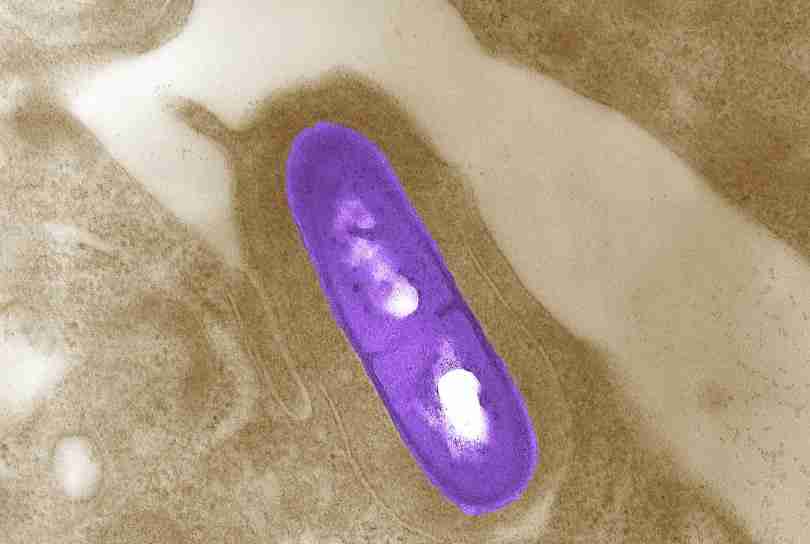
Listeria monocytogenes is a bacterium that can grow in refrigerated environments and cause listeriosis. Symptoms range from fever and muscle aches to more severe conditions such as meningitis and bloodstream infections. Ready-to-eat products lack a cooking step to kill bacteria, which elevates the risk when contamination occurs.
Supply-chain source and secondary recalls
When an ingredient supplier issues a recall, retailers often enact secondary recalls for finished products that used the ingredient. That appears to be the case here: affected deli-prepared salads and similar foods using farfalle were removed from store shelves. The recall targets deli-prepared items rather than all packaged bowtie pasta sold separately.
For more context on supplier testing and recall mechanics, see Marler Blog.
Retail response and customer guidance
Stores typically post notices at deli counters and in salad areas naming recalled items, sell-by dates or UPCs when available. Customers are advised to:
- Do not eat recalled deli items — return them to the store for a refund or discard safely.
- Preserve evidence: keep labels, UPCs, photos or receipts to facilitate refunds or investigations.
- Seek care: contact a health care provider if you develop symptoms consistent with listeriosis; symptoms can take days to weeks to appear.
Retailers and health departments may publish more specific product identifiers; monitor official store websites and local public health alerts for updates. See initial reporting in the Desert Sun for retailer notices.
Questions for regulators and manufacturers
This event raises investigative questions: how contamination occurred, whether testing protocols detected the issue promptly, and the full distribution footprint of the affected ingredient. Food-safety experts emphasize rapid, transparent traceability and timely public notices to limit exposure.
Ongoing updates and what to watch for
Public health agencies and the retailer chain may release more details, such as specific product names, sell-by dates or UPCs. Legal and advocacy groups, including consumer law firms and food-safety blogs, may also publish test results and additional documents as investigations continue.
Implications for Las Vegas, Nevada
Economic impact
Local grocers and deli departments affiliated with Albertsons Companies in Las Vegas could experience short-term sales disruptions if contaminated ingredients were shipped beyond California. Small businesses and caterers sourcing from California may face supply delays or higher costs while sourcing alternatives.
Political consequences
City and state officials may face questions about inspection processes and cross-border supply-chain preparedness. The recall could prompt calls for improved ingredient traceability and faster public notification systems.
Social effects
Tourists and seasonal workers traveling between Nevada and California may inadvertently bring awareness or recalled products back to local communities. Vulnerable populations in Las Vegas — older adults, pregnant people and immunocompromised residents — should be especially cautious about ready-to-eat deli foods.
Cultural relevance
Deli salads and ready-to-eat meals are staples for busy urban residents in Las Vegas. A recall that affects convenience foods can alter buying habits and increase demand for freshly prepared or transparently sourced alternatives.
Practical applications for residents
- Check your refrigerator for deli salads or prepared foods containing bowtie pasta purchased from Vons, Safeway or Albertsons in California.
- Keep labels, UPCs, photos and receipts to assist refunds or investigations.
- Monitor local health department advisories and retailer websites for expansion of the recall or additional product identifiers.
- Contact a health care provider if you develop fever, muscle aches, diarrhea or other concerning symptoms after consuming a recalled product.
Sources
Reporting and analysis used in this article include: Desert Sun reporting on the Vons, Safeway and Albertsons recall and Marler Blog coverage of the Nate’s Fine Foods pasta recall and related Listeria concerns.