Sen. Chris Murphy issues a “unity challenge” to Schumer after shutdown deal, blasts loss of health subsidies
Connecticut Sen. Chris Murphy slammed the bipartisan deal that ended the government shutdown, decrying a lack of Democratic unity and angrily lamenting the failure to renew Affordable Care Act premium subsidies — while stopping short of demanding Schumer’s removal.
- Process and unity: Murphy said the shutdown-ending deal exposed fractures in the Democratic caucus and signaled weak internal discipline (CT Public).
- Subsidies left out: His anger focused on the omission of expiring health insurance premium subsidies, a key Democratic priority (CT Public).
- Challenge to leadership: Murphy stopped short of calling for Senate Majority Leader Chuck Schumer’s resignation but publicly pressed for stronger caucus enforcement (AOL News).
What Murphy said and why it matters
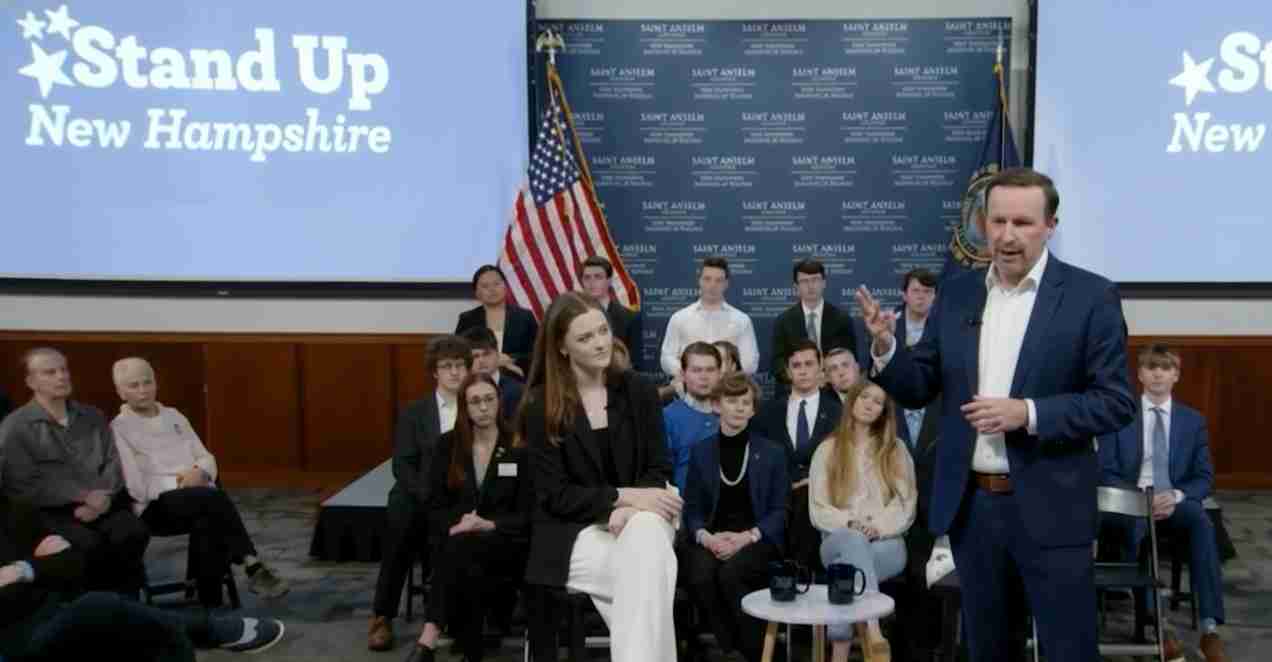
Senator Murphy told reporters the deal that ended the shutdown left him “very, very angry” and concerned about how voters will interpret the party’s message. He faulted both the substance of the agreement and the internal fractures it revealed among Democrats (CT Public).
“This is a very, very hard moment. I am angry about how this went down,” Murphy said, underscoring both policy and political consequences.
Why the healthcare subsidies omission drew his strongest ire
Murphy’s most pointed complaints targeted the failure to renew Affordable Care Act premium subsidies, which many Democrats treated as a nonnegotiable demand during shutdown talks. He and other critics argued the omission represents a concrete policy loss that could harm constituents and undercut Democratic messaging (CT Public).
On Schumer’s role: critique without an explicit call for change
Asked whether Senate Majority Leader Chuck Schumer should keep his job, Murphy declined to call for an immediate leadership change. “I think Chuck has a super tough job,” he said, while making clear he expects leadership to do more to hold the caucus together and enforce discipline (AOL News).
The broader caucus reaction
Murphy’s frustration was echoed by several Democrats who criticized both the terms of the deal and colleagues who crossed party lines. The episode highlights an enduring tension in the Senate: how to balance pragmatic deal-making with protecting core party priorities. For many Democrats, the missing Healthcare Subsidies Deal was a tangible policy failure with political costs (CT Public).
Why the healthcare subsidies matter
The expiring subsidies help lower- and middle-income Americans afford insurance premiums. Without renewal, millions could face higher costs or reduced coverage options. Murphy’s anger reflects both a substantive policy concern and a political calculation: losing these subsidies is likely to have measurable effects on constituents and voter perceptions (CT Public).
Investigative angle: process, pressure and power
This episode raises questions about how Democratic leaders manage internal pressure and negotiation strategy. Murphy’s critique is procedural as much as it is substantive: he asks whether leadership had leverage and whether rank-and-file senators were adequately consulted before agreeing to a deal that omitted core priorities (AOL News).
What’s at stake politically
A public airing of intra-party splits can reshape voter narratives, especially in swing areas. Failure to deliver on high-profile items like the healthcare subsidies hands Republicans an argument that Democrats cannot govern effectively. Murphy’s public frustration signals urgency among some senators to present a more united front in future budget and health-care fights.
Implications for Las Vegas, Nevada
Economic impact: Nevada’s many low- and middle-income residents, including service workers in Las Vegas, could face higher premiums and strained safety-net programs if subsidies lapse.
Political consequences: Las Vegas is competitive; visible Democratic infighting and lost healthcare promises could weaken voter confidence and imperil incumbents.
Social effects: Rising costs would disproportionately affect hospitality, tourism and gig-economy workers, increasing uninsured rates and pressure on clinics and emergency departments.
Practical applications: Local leaders can press Nevada’s delegation for plans to protect subsidies, expand outreach to those at risk, and prepare health services for greater demand.
Reporting and sources
This story draws on reporting that recorded Murphy’s comments and Democratic criticism of the shutdown-ending deal. Publicly available accounts do not substantiate claims that Murphy urged Schumer to adopt policies once backed by former President Donald Trump; his comments focus on unity, process and the failure to secure health-care subsidies (CT Public; AOL News).