Social Security announces 2.8% benefit increase for 2026 as COLA raises average monthly checks by $56
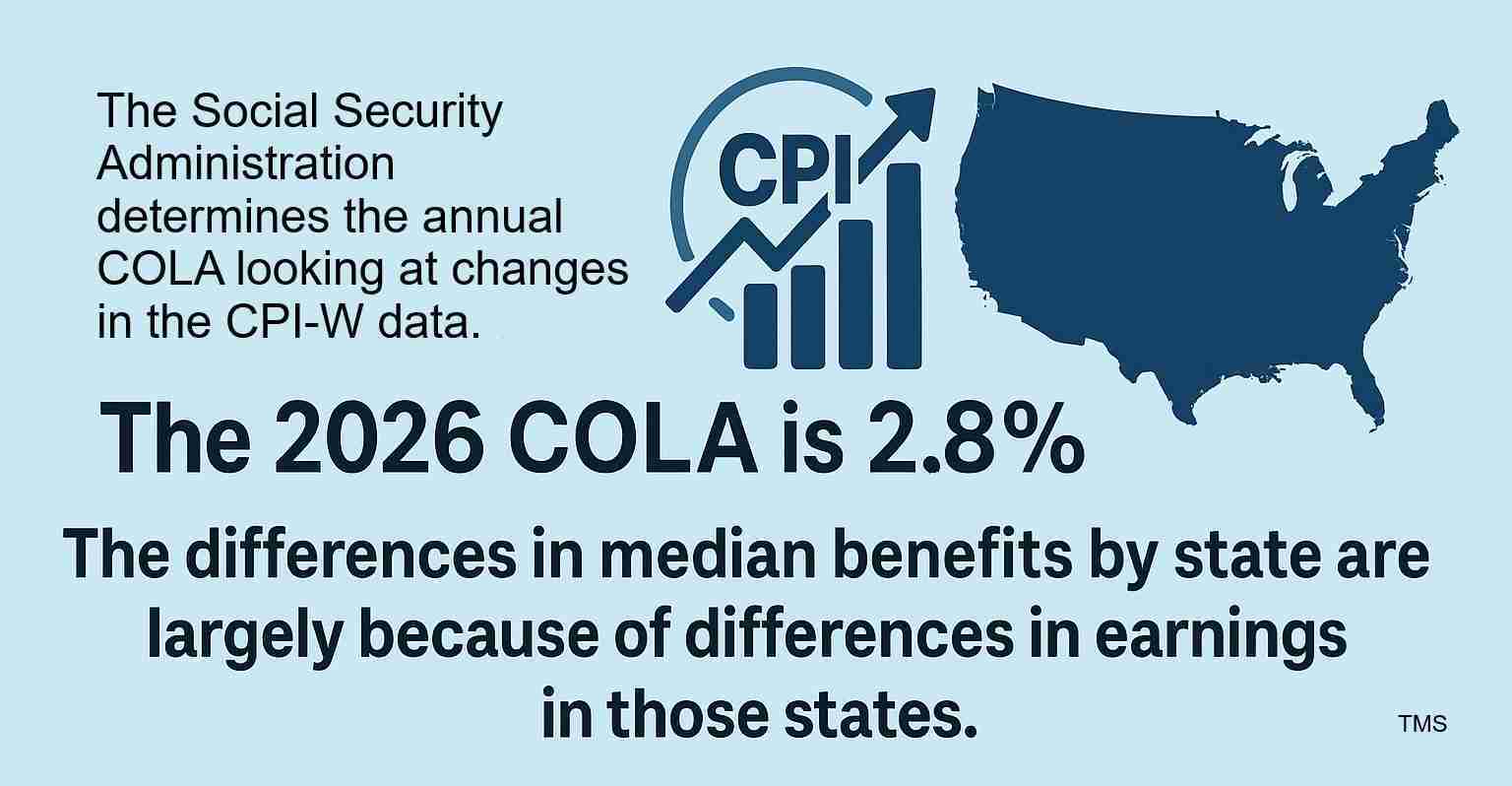
The Social Security Administration said on October 24, 2025, that Social Security and SSI benefits for 75 million Americans will rise 2.8% in 2026, boosting the average retiree’s monthly check by about $56 beginning in January 2026.
Key takeaways
- COLA: 2.8 percent for 2026 — about $56 per month on average for retired workers (~$672/year).
- Affected beneficiaries: Nearly 71 million Social Security recipients and about 7.5 million SSI recipients (some receive both).
- Effective dates: Social Security payments increase in January 2026; SSI payments begin December 31, 2025.
- Earnings & tax figures: 2026 taxable maximum is $184,500; earnings limits are $24,480 (under full retirement age) and $65,160 (year of reaching full retirement age).
How the 2026 COLA was calculated
Federal law ties the annual cost-of-living adjustment to inflation. For 2026, the Social Security Administration used the percentage change in the Consumer Price Index for Urban Wage Earners and Clerical Workers (CPI‑W) from the third quarter of 2024 to the third quarter of 2025. That produced a 2.8% increase, which is 0.2 percentage points higher than last year’s 2.5%.
Who gets the increase, and when
Nearly 71 million people receiving Social Security retirement, survivors, and disability benefits will see the increase in their January 2026 checks. About 7.5 million Supplemental Security Income (SSI) recipients will receive the raise starting with the December 31, 2025 payment. Individuals receiving both programs will see adjustments on each program’s schedule. The SSA will mail simplified, one-page notices explaining exact dollar amounts and payment dates.
What the average increase means in real terms
The SSA’s $56 monthly estimate is a national average; individual changes vary. For many retirees on fixed incomes, $56 can help cover groceries, prescription co-pays, or utilities — but it may not fully offset rising housing or medical costs in high-cost areas. Advocates argue that using the Consumer Price Index for the Elderly (CPI‑E) would weight medical care and housing more heavily and likely produce larger COLAs over time.
Social Security earnings limits and taxable maximum for 2026
The maximum earnings subject to Social Security payroll tax rises to $184,500 in 2026 (up from $176,100 in 2025). Earnings limits that can affect benefits are:
- $24,480 — annual exempt amount for workers younger than full retirement age; SSA deducts $1 from benefits for each $2 earned above this amount.
- $65,160 — limit for those reaching full retirement age in 2026 (deduct $1 for every $3 earned above this level before the month of reaching full retirement age).
- No earnings limit applies for people at full retirement age for the entire year.
These thresholds can influence decisions about when to claim benefits and whether to continue working.
Medicare Part B, other program links and notices
The COLA announcement precedes the Medicare Part B premium decision from CMS, typically released in early November. Early projections suggested Part B premiums could rise by around $21.50, which would reduce net COLA gains for beneficiaries paying those premiums. The SSA will include Medicare premium deductions and net benefit details in beneficiary notices.
Official reaction and advocacy critiques
SSA Commissioner Frank J. Bisignano: “Social Security is a promise kept, and the annual cost-of-living adjustment is one way we are working to make sure benefits reflect today’s economic realities and continue to provide a foundation of security.”
Advocacy groups including AARP contend that the CPI‑W understates the costs older adults face. They favor the CPI‑E, which emphasizes medical care and housing and would likely provide larger COLAs over time. Policymakers continue to debate possible changes to the calculation method to better protect beneficiaries from rising out-of-pocket costs.
What beneficiaries will receive and next steps
Beneficiaries should receive individualized notices detailing the exact dollar increase and any Medicare premium or other deductions. People expecting changes due to earnings or eligibility should contact the SSA via its website, local offices, or the national helpline. The SSA has posted a fact sheet and blog posts explaining 2026 COLA changes and updated earnings and tax figures.
Implications for Las Vegas, Nevada
Economic: The 2.8% increase will affect hundreds of thousands of Nevada residents — including many in Clark County and the Las Vegas metro area — where Social Security is a significant income source. Even a modest $56 average boost can increase local spending at grocery stores, pharmacies, and services.
Political: The COLA announcement reinforces Social Security as a local political issue; earnings limits and the higher taxable maximum may become topics in debates on tax fairness and retirement security.
Social & cultural: Small monthly increases matter for low- and moderate-income seniors, disabled workers, and surviving family members who face rent increases or high medical expenses. Las Vegas’s large retiree and service-worker populations make earnings limits and partial work retirement choices particularly relevant.
Practical steps for residents:
- Watch for the SSA one-page benefit notice with your personalized increase and payment dates.
- Review potential Medicare Part B premium changes to understand net benefit effects.
- If you plan to work while claiming benefits, check the 2026 earnings limits to avoid unexpected reductions.
- Contact the SSA’s Las Vegas-area office or local senior service organizations for personalized help.
Sources and further reading
- Social Security Administration – press releases and fact sheets
- SSA COLA page
- SSA Blog
- Social Security Administration (general information)
- AARP – Social Security resources
- Medicare Rights Center
- American Action Forum
- National Treasury Employees Union (NTEU)
- NASDAQ coverage of Social Security and COLA issues
For personalized questions about your benefit amount, payment date, or how earnings affect your benefits, visit ssa.gov or contact your local SSA office.