Trump urges calm after Beijing’s rare earth move, downplays threat of 100% tariffs amid renewed US-China tensions
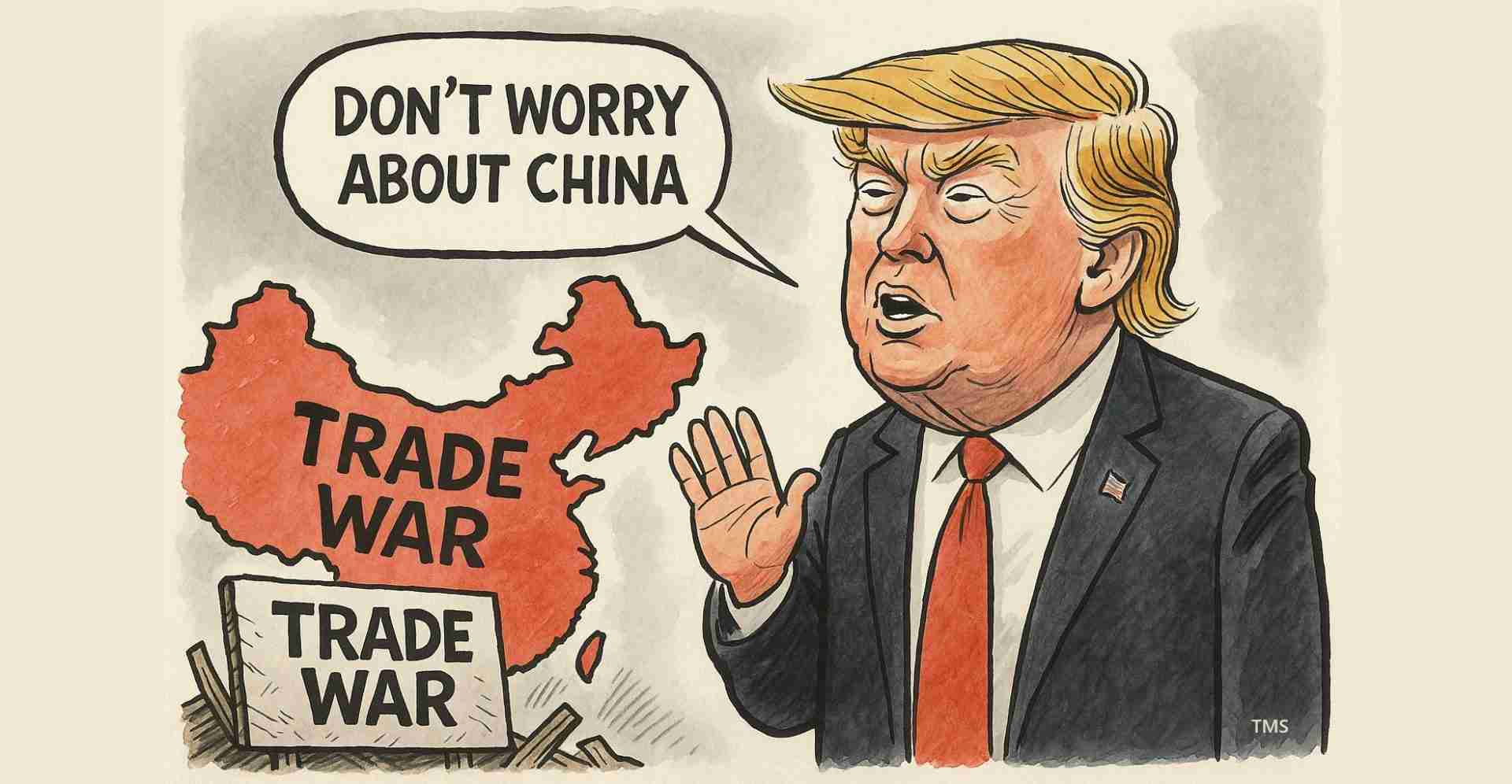
Donald Trump urged calm after Beijing imposed new rare-earth export limits, downplaying earlier threats to impose 100% tariffs on Chinese goods while signaling a preference for negotiation even as both capitals trade warnings over supply-chain leverage.
Key takeaways
- Trump threatened steep tariffs but then sought to reassure markets and the public, framing the threat as leverage rather than an inevitable policy shift (Source: Fox Business).
- China controls rare-earth supply, handling roughly 70% of extraction and ~90% of processing, giving it outsized influence over high-tech and defense supply chains (Source: Fox Business).
- Policy trade-offs are stark: rapid tariff escalation risks economic pain and market disruption; long-term fixes require years of investment in mining and processing capacity.
- Local impacts matter: tourism- and convention-reliant economies such as Las Vegas could feel cost pressures even without local manufacturing exposure.
What happened
Context: Beijing announced new restrictions on rare earth mineral exports, prompting a public response from Donald Trump who had warned he could raise U.S. tariffs on Chinese goods up to 100%. Within hours, Trump sought to soften the tone, urging the public “not to worry” and emphasizing a desire to help rather than hurt China (Source: Fox Business).
Why rare earth minerals matter now
Rare earths are a set of 17 elements essential to smartphones, electric vehicles, jet engines, missile guidance, and other high-tech and defense applications. Because China handles the majority of global processing—roughly 70% of extraction and about 90% of processing—export limits can slow factories worldwide and raise costs across industries (Source: Fox Business).
What Trump said — calming language after a hard line
After publicly threatening steep new tariffs, Trump moved to soften his rhetoric: he called China’s economic problems temporary, said the U.S. “wants to help China, not hurt it,” and praised President Xi Jinping as “highly respected.” The tone appears aimed at reducing short-term market panic while retaining tariffs as leverage rather than signaling an irrevocable path to all-out protectionism (Source: Fox Business).
Beijing’s response: restraint mixed with warning
China’s Commerce Ministry said it does not want a tariff war but will not be afraid of one. Officials urged dialogue to resolve disputes and criticized repeated U.S. tariff threats as “not the correct way to get along with China.” At the same time, Beijing warned of countermeasures if the U.S. imposed duties, while clarifying that export licenses will continue for legitimate civilian uses of rare earths (Source: Fox Business).
Political dynamics in Washington
The exchange has united attention in Washington. Vice President J.D. Vance labeled China’s control of critical supply chains a “national emergency,” urging a tough stance and arguing the U.S. “has far more cards” if confrontation escalates. Simultaneously, Trump’s de-escalatory language signals that officials are weighing the economic risks of a broad tariff showdown.
“China’s dominance in supply chains is a national emergency,” said Vice President J.D. Vance, reflecting bipartisan concern about strategic vulnerabilities.
Supply chains, leverage and the global picture
This episode highlights how rare earths function as a bargaining chip. China’s processing dominance can slow or block supply to critical industries. The United States has limited quick fixes; building domestic extraction and processing capacity requires years and major investment. Policymakers and experts are examining strategies such as:
- stockpiling critical materials,
- encouraging mining and processing projects domestically and with allies,
- pursuing trade deals and industrial policy to diversify sources.
What a 100% tariff could mean in practice
A sudden jump to 100% tariffs would sharply raise costs for many imported products — from consumer electronics to industrial components. Retail prices could climb, manufacturers would face higher input costs, and some firms might relocate supply chains over time. The move could also spook investors and jeopardize diplomatic engagement, including a potential meeting between Trump and Xi later in the year (Source: Fox Business).
Questions investigators and policymakers are asking now
- Credibility: Is the 100% tariff threat a bargaining chip or a precursor to sustained protectionism?
- Capacity: Can the U.S. accelerate domestic processing fast enough to reduce strategic leverage?
- Allies: Will partners diversify supply chains or accept higher costs?
- Markets: How will manufacturers and investors react in the near term?
Implications for Las Vegas, Nevada
Economic exposure: Although Las Vegas is not a manufacturing hub for rare-earth products, the city could see indirect effects. Higher tariffs and supply disruptions could raise costs for electronics, gaming machines, lighting, and HVAC equipment used by hotels and casinos, squeezing margins for businesses that sell goods to tourists.
Construction and maintenance: Renovation and maintenance projects could become costlier, potentially slowing new developments or prompting higher room rates to offset increased expenses.
Jobs and investment: Short-term job impacts may be modest, but federal efforts to secure rare-earth supply chains could bring defense-related contracts and investment to Nevada over the longer term.
What local leaders can watch for
- procurement cost changes for hotels and resorts;
- shifts in convention bookings from tech and manufacturing sectors;
- announcements of federal investment or contracts tied to supply-chain security;
- retail and wholesale price trends affecting tourists and residents.
Sources and transparency
This report preserves original reporting and URLs. Key reporting and quotes were drawn from coverage of the exchange between the Trump administration and Beijing, notably from Fox Business, which documented the tariff threat, Beijing’s export-limit response, and commentary from U.S. officials.
Original source URL: Fox Business