Hamas accepts Trump peace plan, Gaza ceasefire agreement signals end to nearly two-year war; hostages to be returned as Trump invokes scripture
Hamas has accepted a comprehensive peace plan brokered by former President Donald Trump, announcing an immediate Gaza ceasefire, the release of dozens of hostages and an Israeli withdrawal tied to a phased prisoner exchange after intensive U.S., Egyptian and Qatari mediation.
Key takeaways
- Ceasefire and withdrawals: Hamas accepts a plan calling for an immediate Gaza ceasefire and phased Israeli withdrawal to agreed lines.
- Hostage releases and prisoner exchange: The deal includes release of dozens of Israeli hostages abducted Oct. 7, 2023, and a structured prisoner exchange.
- Humanitarian access: The plan calls for expedited humanitarian aid corridors into Gaza tied to monitoring and the ceasefire.
- International mediation: The agreement was mediated with assistance from the Times Media Service video and other statements crediting the U.S., Egypt and Qatar.
- Trump’s role: Former President Trump publicly took credit and said he invoked scripture while presenting the plan (details unspecified in the clips).
What the deal would do
The first phase of the Trump Gaza peace plan, as described in the reporting, centers on an immediate Gaza ceasefire and a sharp drop in violence. Under the terms shown in the coverage, both Israel and Hamas would halt offensive operations to enable confidence-building measures.
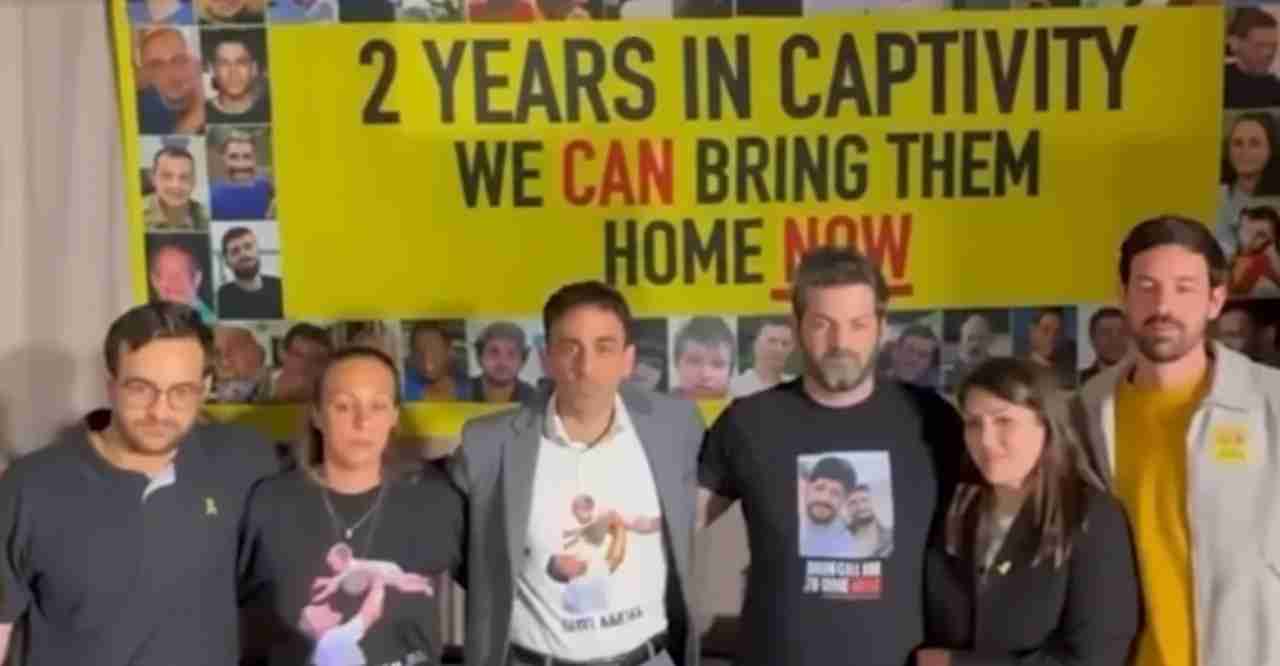
A central provision is the release of dozens of hostages taken during the large-scale attacks on Oct. 7, 2023. The reporting notes that the list includes both living hostages and those who were killed; releases are tied to Israeli withdrawal from certain positions and to phased lifting of combat operations (Times Media Service video).
The arrangement is described as phased and conditional, with subsequent steps contingent on compliance in the first phase. The coverage indicates the prisoner exchange and withdrawals are reciprocal measures intended to build trust (Times Media Service video).
Humanitarian aid and access
A major element of the deal is reopening humanitarian corridors into Gaza. The reporting says the plan calls for expedited entry of food, medicine and supplies to relieve acute shortages, with aid deliveries tied to the ceasefire and monitoring arrangements meant to ensure supplies reach civilians (Times Media Service video).
“Aid provision is tied to the ceasefire and monitoring arrangements,” the coverage reports, stressing that oversight will be critical for effective distribution.
Who brokered the agreement
The videos and reporting credit close cooperation among the United States, Egypt and Qatar in negotiating the terms. Former President Trump publicly thanked those countries for their roles in the talks in the clips shown (Times Media Service video; Times Media Service video).
Trump’s role and the use of scripture
Former President Trump appeared in video statements asserting his role in brokering the deal and framed the agreement as a diplomatic achievement. The reporting says he invoked scripture while presenting the plan, though the clips do not identify the exact passage cited (Times Media Service video).
In one clip, Trump said he received an urgent message during a White House event about the deal’s imminent completion and named Senator Marco Rubio in that account. Media viewers should note that Marco Rubio is a U.S. senator and not the U.S. secretary of state. The videos do not include a full signed text of the plan or a complete timeline for every step (Times Media Service video).
Public statements from Hamas
Hamas publicly announced its acceptance of the plan, describing the decision as the result of “responsible and serious negotiations” involving other Palestinian factions. In the statements shown, Hamas said the agreement requires an end to the war, Israeli withdrawal from certain lines, entry of humanitarian aid, and a prisoner exchange (Times Media Service video).
What’s not yet clear
The videos and statements released so far leave several important details unresolved. There is no full, publicly available text of the Trump Gaza peace plan in the clips. Precise timelines for phases, the number and identities of hostages to be released, conditions for Israeli withdrawal, and mechanisms for monitoring compliance are not spelled out in the videos (Times Media Service video; Times Media Service video).
Independent verification by neutral monitors, including the United Nations or humanitarian groups, will likely be needed to confirm implementation and to track aid flows into Gaza.
Implementation risks and monitoring
A ceasefire and prisoner exchange tied to phased withdrawals are complex to implement. The plan’s success will depend on robust monitoring and transparent reporting of compliance by both sides. The reporting indicates the agreement is intended to be monitored by international parties, but a detailed monitoring framework is not provided in the clips (Times Media Service video).
Analysts warn that fragile agreements can unravel if perceived violations occur or if spoilers disrupt the process; early confidence-building steps will be critical to maintain momentum toward a broader settlement.
Implications for Las Vegas, Nevada
Economic impact: A Gaza ceasefire could reduce global uncertainty and ease pressure on markets tied to regional risk. For Las Vegas, which relies on travel and tourism, reduced tensions may help restore international flight demand and convention bookings.
Political consequences: Nevada leaders may respond publicly given the region’s diverse communities. The deal could shape local campaign messaging on foreign policy and humanitarian support.
Social and cultural effects: Local faith and community groups may pivot from emergency response to longer-term healing and humanitarian work. The use of scripture by a U.S. political leader may spur discussion among Las Vegas faith leaders.
Practical applications: Nonprofits, hospitals and universities in the region may adjust planning as the situation stabilizes, while airports and tourism boards monitor booking trends and international traveler confidence.
Civic responses: City and county officials might coordinate outreach to families with ties to the region, provide resources for those worried about relatives abroad, and craft messaging to reassure visitors and convention organizers.
Sources and reporting notes
This report draws on Times Media Service video releases and a second Times Media Service video outlining the agreement and statements by the parties. The videos describe core elements of the plan, Hamas’ acceptance, and the mediators’ roles, but they do not include the full text of the pact or detailed implementation timetables.
Journalists and readers should look for further releases from the mediating governments, independent monitoring bodies and humanitarian agencies for a fuller picture of implementation and verification.