Cuban-led caravan of about 1,200 departs Tapachula for Mexico City as Trump-era U.S. policies reshape migration routes
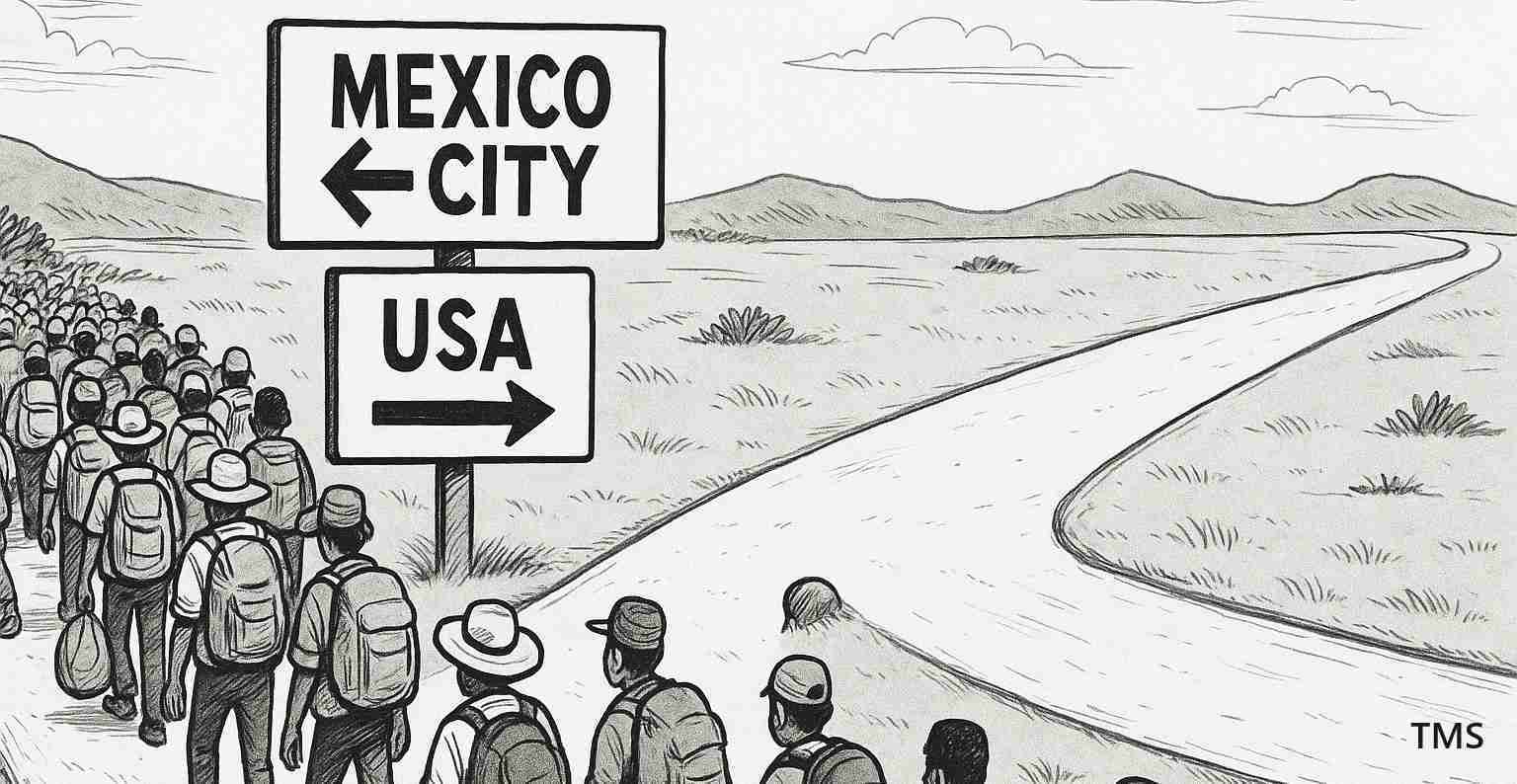
About 1,200 migrants, led by Cubans, departed Tapachula, Chiapas for Mexico City to regularize status, accelerate asylum claims and find work — a movement shaped by restrictive U.S. policies, long processing waits and abuses in Tapachula.
Key takeaways
- Caravan size and makeup: ~1,200 people, Cuban-led but including migrants from Honduras, Ecuador, Brazil, Haiti, Nicaragua and Venezuela (Mexico News Daily; Anadolu Agency).
- Destination and intent: Migrants are heading to Mexico City to regularize status, speed asylum claims and find work rather than to attempt immediate entry to the U.S. (Mexico News Daily; Anadolu Agency).
- Drivers: Long waits for documentation (up to 10 months), extortion, abuse and the deterrent impact of Trump-era U.S. immigration policies are pushing migrants to alter routes and consider Mexico as a destination (WOLA).
- Organization: The caravan is largely leaderless, coordinated via social media, and framed by participants as both migration and protest demanding faster government action (WOLA).
Main coverage
Key information
Size and makeup: The group numbers about 1,200 people, led by Cuban nationals but also including migrants from Honduras, Ecuador, Brazil, Haiti, Nicaragua and Venezuela. Reporting and on-the-ground coverage are documented by Mexico News Daily and Anadolu Agency.
Destination and intent
Rather than attempting to reach the U.S. border, participants say they aim to regularize their status in Mexico City, accelerate asylum processes and find employment. This represents a shift toward viewing Mexico as a potential destination, not only a transit country (Mexico News Daily).
Drivers of change
Migrants cite:
- Lengthy waits for documentation – sometimes up to 10 months – due to limited immigration staff and large backlogs.
- Economic vulnerability: few job options in Tapachula, forcing reliance on informal work or costly intermediaries.
- Abuse and extortion by intermediaries charging between 3,000 and 20,000 pesos (about $150–$1,000) for promised faster processing that often does not materialize (Mexico News Daily).
- The deterrent effect of restrictive U.S. asylum and enforcement policies implemented under the Trump administration (WOLA).
Why Tapachula has become a bottleneck
Tapachula, located near the Guatemala border, has become a focal point after U.S. and regional policy changes slowed northbound movement. Migrants arrive seeking paperwork, but limited staff at immigration offices and rising demand leave many trapped in a city with few job options and higher vulnerability to extortion and violence (Mexico News Daily).
Who’s in the caravan and why they’re leaving
While Cuban nationals lead the caravan, the group is diverse. Many Cubans reported that fear of U.S. hostility and tighter asylum rules reduced the appeal of heading north. One participant bluntly summed up the sentiment:
“And why would I want to go to the United States? They hate us there!”
Others from across Latin America and the Caribbean said they hoped Mexico City would offer quicker, safer opportunities to regularize status, access services or find work (Anadolu Agency).
The role of U.S. policy in shifting routes
Experts and migrant testimony point to U.S. immigration and asylum policies implemented during the Trump administration — including restrictive asylum rules, deportations, and enforcement cooperation with Mexico — as major factors reshaping migration patterns. These policies have made the U.S. a less attainable option and encouraged some migrants to view Mexico as a longer-term destination (WOLA; Anadolu Agency; visual report).
Conditions on the route to Mexico City
The trek spans roughly 1,100 kilometers and can take days or weeks by foot and intermittent transport. Migrants face extreme heat, rain, scarce food and water, and risks of robbery, assault and human trafficking. Authorities sometimes provide buses, temporary shelters or paperwork services, but assistance is inconsistent and often insufficient for the scale of need (Mexico News Daily).
Mexico’s evolving role: transit country to destination
With U.S. barriers making northward travel risky and uncertain, more migrants are staying in or moving to Mexican cities. This shift places new pressure on Mexico’s social services and complicates government responsibilities as it manages arriving migrants while also receiving deported nationals. Policy research documenting caravan trends underscores that migrants adapt routes in response to enforcement changes (Baker Institute).
Corruption and barriers within Mexico’s asylum system
Reports from migrants and watchdogs highlight corruption: private intermediaries charge fees and promise faster outcomes, while paperwork backlogs and unpredictable adjudication timelines create fertile ground for exploitation (Mexico News Daily; WOLA).
Organization, advocacy and social media
The caravan is largely leaderless but coordinated via online groups and local networks. Social media serves to coordinate routes, share legal advice and mobilize humanitarian support. Participants frame the march as both a migration strategy and a protest demanding faster government action (WOLA).
Implications for Las Vegas, Nevada
Economic impact: Las Vegas relies on hospitality, construction and services that often employ newcomers. If Mexico becomes a longer-term destination, fewer migrants may attempt border crossings northward — but flows remain fluid. Local agencies and nonprofits could see shifting demand for immigrant services, including changes in asylum and integration needs (Anadolu Agency; Baker Institute).
Political, social and cultural consequences
Political: Urban leaders may face pressure to push for humane federal policies and funding for legal and integration programs while balancing public concerns about resources and enforcement.
Social & cultural: Las Vegas’ diverse communities may respond with solidarity efforts; Cuban cultural ties could ease some integration while local groups prepare targeted outreach, translation and mental health support (WOLA).
Practical applications for policymakers and service providers
Recommendations include reviewing capacity for immigration legal services, translation, mental health support and contingency planning. Partnerships with state agencies and national NGOs can help develop plans for shifting migration patterns, including outreach to migrants who first stay in Mexico and later pursue family or work channels into the U.S. (Baker Institute).
Continued monitoring
Urban policymakers should track Mexican migration patterns and federal policy shifts that affect asylum and deportation — these decisions directly shape who arrives in cities such as Las Vegas and what services they will need (Anadolu Agency; WOLA).
Sources and documentation
Reporting and analysis for this article draw on on-the-ground coverage and policy briefs, including:
- Mexico News Daily
- Anadolu Agency
- WOLA weekly border update
- Baker Institute policy research
- Powerline blog regional reporting
- Visual report referenced migrant testimony (YouTube)
Note: This article preserves original facts, information and source links as reported by the outlets above. For additional context, readers can consult the linked reporting and policy briefs directly.