REDWOOD CITY, Calif., July 21 (San Francisco News Online) — A Fox News report about a preventive scan that found a brain tumor in a former “Bachelor” contestant has renewed interest in full-body MRI screening. For people in San Francisco and elsewhere, the practical question is not whether the scan can ever find something important. It is whether a routine scan makes sense for someone who feels well and has no specific risk factor.
The short answer from major medical groups is no. The Food and Drug Administration says it knows of no scientific evidence showing that whole-body scanning of people without symptoms offers more benefit than harm. The American College of Radiology said in April 2023 that there is not enough evidence to recommend total-body screening for patients with no symptoms, no risk factors and no family history suggesting disease. The American College of Preventive Medicine says doctors should not use whole-body scans for early tumor detection in people without symptoms.
What is a full-body MRI?
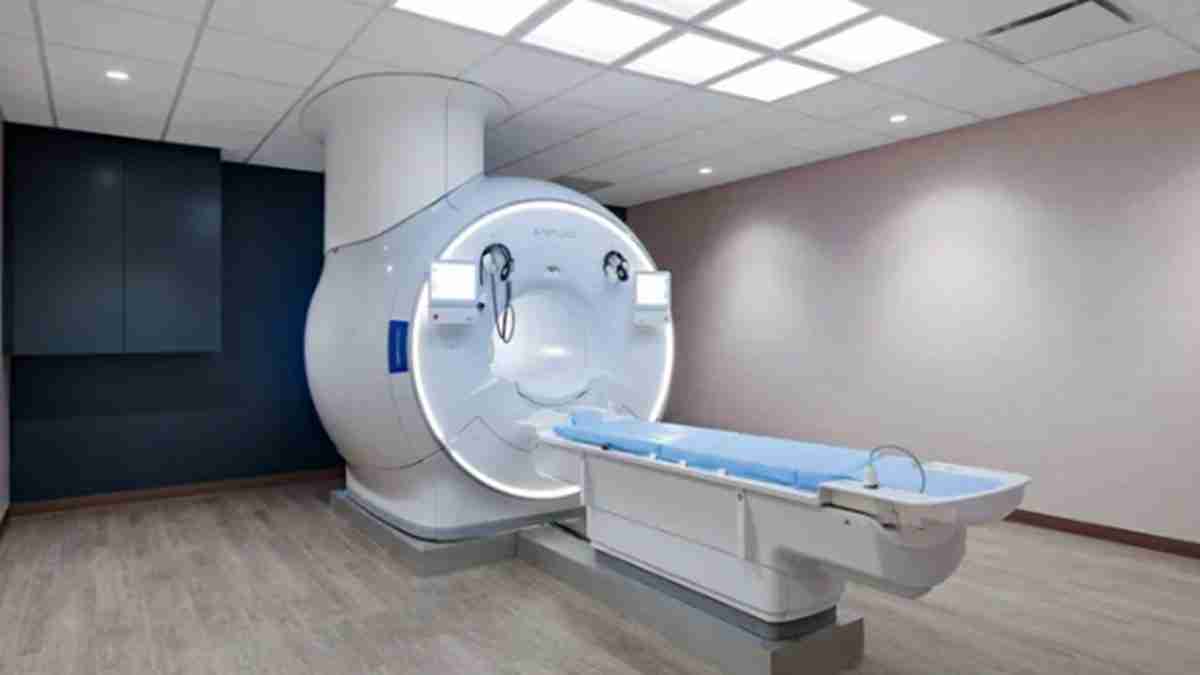
A full-body MRI, sometimes called a whole-body scan, uses magnetic fields and radio waves. The American Cancer Society says MRI does not expose a person to ionizing radiation, unlike CT scans. That can make the test sound safer than some other imaging exams. But safer does not automatically mean better for screening.
Why do doctors worry about it?
The American Cancer Society says the biggest risk is what happens after the scan. Full-body MRI can show “spots” or “shadows” that may be normal variations in the body. Those unexpected findings can lead to more imaging, biopsies, specialist visits and anxiety. Doctors also warn about overdiagnosis, which means finding a problem that would never have caused symptoms or death.
The society says insurance companies rarely pay for full-body MRI because it is not standard medical care. Some providers market the scan as a way to look for cancer and other disease before symptoms start. CBS San Francisco reported that Prenuvo says its scan can detect more than 500 conditions, including cancerous tumors at an early stage.
Does one success story prove the test works?
Not by itself. In the Fox News report, a former “Bachelor” contestant said a preventive scan found a brain tumor before symptoms started. But UCSF radiology researcher Dr. Rebecca Smith-Bindman told CBS San Francisco that there is “not a stitch of evidence” the scan helps people live longer or better. She also warned that there could be “tremendous numbers of false positives,” meaning scans that look worrisome but turn out not to be serious.
That concern is part of why experts say whole-body MRI can create a chain reaction. A scan may lead to follow-up tests for findings that turn out to be harmless. Matthew Davenport, a University of Michigan radiologist, told ABC News that the harms can come from invasive testing, surgery or follow-up of findings of uncertain benefit. In a JAMA editorial, Davenport and Dr. Scott Reeder said no major medical group recommends whole-body MRI for the general population because the benefits remain unproven.
A normal scan is not a guarantee, either. The Cleveland Clinic says full-body MRI can also miss disease, so a clean result does not rule out future illness.
Are there any cases where screening is recommended?
Yes, but they are narrow. The U.S. Preventive Services Task Force gives pancreatic cancer screening in asymptomatic adults who are not known to be at high risk a D rating, meaning the harms outweigh the benefits. That is an example of how medical groups draw a line between targeted screening for higher-risk people and broad screening for everyone else.
The bottom line is that full-body MRI may sound like a good way to catch disease early, but major medical groups say routine screening of healthy people has not been shown to improve outcomes. For Bay Area readers seeing more marketing for elective scans, the key issue is not whether the test can find something unusual. It is whether that finding is likely to help more than it hurts.