FDA approves bemotrizinol, opening door to a new U.S. sunscreen ingredient with Parsol Shield set to arrive
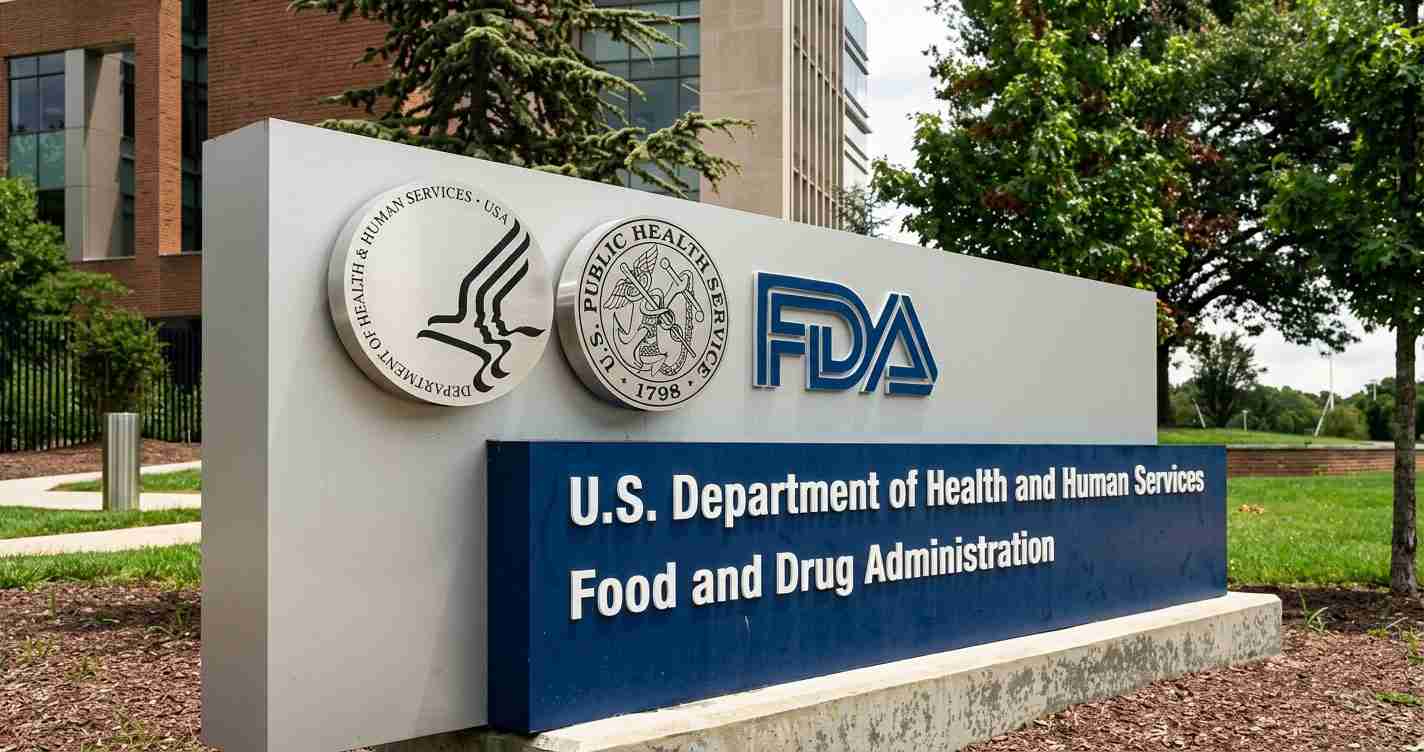
The FDA approved bemotrizinol as a new active ingredient for over‑the‑counter sunscreens, allowing use up to 6%, and clearing the path for DSM’s Parsol Shield to reach planned U.S. shelves under a temporary exclusivity period.
Key takeaways
- Bemotrizinol (BEMT) approved up to 6% — FDA press announcement.
- Parsol Shield first to market — DSM has ~18 months exclusivity; industry reporting expects availability in mid‑to‑late 2026 (industry coverage, Elle feature).
- Safety and performance — FDA found bemotrizinol broad‑spectrum, photostable, minimally absorbed and generally recognized as safe and effective for ages 6 months and older (PMC article).
- Regulatory modernization: approval used the OMOR pathway to speed OTC ingredient additions (FDA press announcement).
What the FDA did and why it matters
The agency used the Over‑the‑Counter Monograph Order Request (OMOR) pathway to add bemotrizinol to the sunscreen monograph, a process distinct from older rulemaking that delayed approvals for decades. The move signals a broader effort to modernize OTC review and expand consumer access to effective sun‑protection options. See the FDA press announcement for agency detail.
“We’re continuing to modernize the regulation of sunscreen and other over‑the‑counter drug products,” said FDA Commissioner Marty Makary, MD, MPH, emphasizing that Americans deserve timely access to safe, effective OTC products. (FDA press announcement)
DSM’s request and exclusivity
DSM Nutritional Products submitted the OMOR dossier with safety, effectiveness, and pharmacokinetic data. The FDA reviewed maximum usage and systemic absorption studies and approved bemotrizinol at a 6% concentration cap. Under OMOR rules, DSM’s Parsol Shield benefits from roughly an 18‑month marketing exclusivity, after which other manufacturers may incorporate the ingredient.
Industry coverage anticipates Parsol Shield on U.S. shelves in mid‑to‑late 2026 (industry coverage, Elle feature).
How bemotrizinol works and how it compares
Bemotrizinol is a modern organic UV filter widely used overseas. It absorbs both UVA and UVB rays and is prized for strong photostability, meaning it resists breakdown in sunlight and maintains protection longer than some older filters. That stability lets formulators combine bemotrizinol with other actives (e.g., zinc oxide, avobenzone) while keeping overall active load manageable.
Regulatory limits vary: many countries allow ~10% while the U.S. and Canada set a 6% cap. For deeper technical context see the PMC article.
Safety and scientific findings
The FDA’s review included maximum‑use trials and pharmacokinetic studies. Plasma levels of bemotrizinol seldom exceeded the 0.5 ng/mL threshold that would prompt extra concern, supporting a favorable systemic safety profile at 6% use. Local skin tolerance was generally good with few mild reactions in trials. See the agency review and the peer‑reviewed summary: FDA press announcement and the PMC article.
Karen Murry, MD, acting director of the Office of Nonprescription Drugs, called bemotrizinol “a welcome addition” and said the agency aims to bring other modern ingredients to market more quickly. (FDA press announcement)
What this means for consumers
When bemotrizinol formulations like Parsol Shield arrive, U.S. shoppers will gain access to a filter long used abroad. Initially DSM products will contain the ingredient during exclusivity; wider brand adoption is expected after that window closes. The FDA stresses sunscreen is one element of sun safety: use broad‑spectrum SPF 15 or higher (many experts recommend SPF 30), reapply as directed, wear protective clothing and limit peak sun exposure (FDA guidance).
Implications for Las Vegas, Nevada
Las Vegas’s tourism and outdoor lifestyle mean the new ingredient may have notable local effects across economy, policy and public health.
Economic impact
Hotels, pools, resorts and retail outlets could see stronger demand for photostable, broad‑spectrum sunscreens. Retailers, spas and gift shops may add bemotrizinol‑based lines; suppliers should plan buying and stocking strategies ahead of a mid‑to‑late 2026 launch. Industry reporting: Elle feature, industry coverage.
Political consequences
State and local health agencies may update guidance and promote the new ingredient while reinforcing established sun‑safety measures. Local officials could cite the approval when advocating for stronger sun‑protection policies for outdoor workers.
Social effects
Easier access to modern, long‑lasting sunscreens could reduce sunburn and long‑term skin damage among residents and visitors. The FDA’s determination that bemotrizinol is safe for children 6 months and older also matters for families visiting pools and parks (PMC article).
Cultural relevance
Brands emphasizing lightweight feel and photostable protection may resonate with visitors and pool‑club patrons. Marketers can position bemotrizinol products as a “global” filter now available in the U.S.
Practical applications for residents and visitors
- Expect Parsol Shield availability in mid‑to‑late 2026, with wider adoption after ~18 months of exclusivity (industry coverage, Elle feature).
- Continue established sun‑safety: SPF 15+ (SPF 30 commonly recommended), reapply every two hours or after swimming/sweating, and use hats, sunglasses and shade (FDA guidance).
- Employers with outdoor staff should review sun‑safety policies and consider providing modern sunscreen options for workers during peak heat.
Reporting and sources
This article draws on the FDA press announcement, peer‑reviewed summaries, and industry reporting. Key sources:
- FDA press announcement
- PMC article (peer‑reviewed summary of modern sunscreen filters)
- Elle feature (industry coverage of Parsol Shield)
- YouTube industry coverage
- FDA guidance / Q&A