Hundreds of beagles begin leaving Ridglan Farms as rescue groups move to rehome roughly 1,500 dogs
Hundreds of beagles began leaving Ridglan Farms in Marshall, Wisconsin, as Big Dog Ranch Rescue and partner groups started relocating roughly 1,500 dogs from the breeding facility to shelters nationwide after years of advocacy and a purchase agreement.
- Initial transports: About 300 beagles left Friday, with hundreds more expected over at least the next 10 days.
- Purchase agreement: Big Dog Ranch Rescue and the Center for a Humane Economy agreed to buy roughly 1,500 of the facility’s estimated 2,000–2,200 beagles.
- Medical precautions: Dogs were screened by veterinarians, vaccinated, microchipped and given Benadryl before transport; full exams and behavior assessments will follow at partner shelters.
- Ongoing debate: Some groups press for all dogs to be released and lawmakers have asked federal agencies to review funding tied to animals from the facility.
What happened at Ridglan Farms
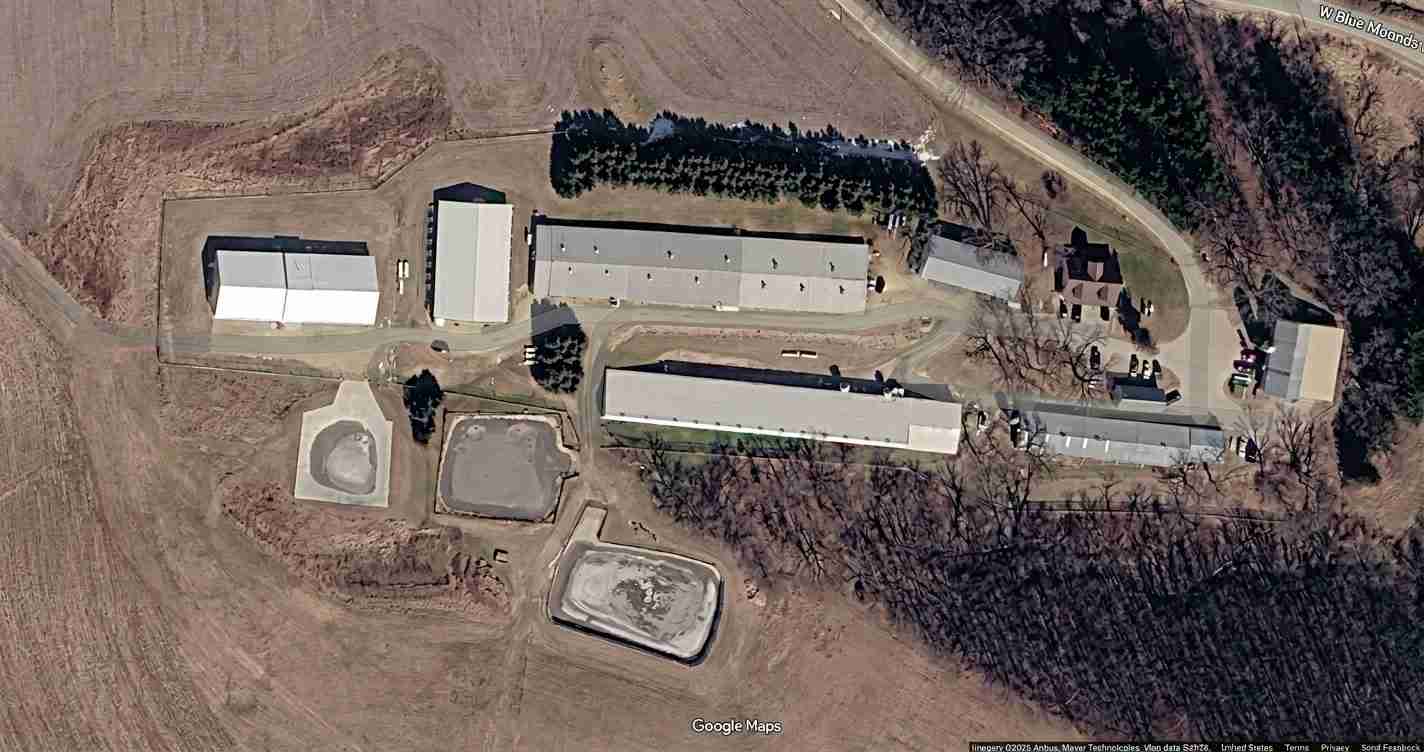
Ridglan Farms, operating for more than six decades near Blue Mounds, bred beagles used by laboratories for biomedical research. Animal advocates raised concerns for years about handling and procedures at the facility. A state investigation and a special prosecutor found that some eye procedures performed by non-veterinarians and without adequate pain relief did not meet state veterinary standards. Ridglan has denied mistreatment and maintains its role supports biomedical research.
The purchase and transfer
Under an agreement announced this spring, Big Dog Ranch Rescue and the Center for a Humane Economy arranged to buy 1,500 beagles from Ridglan. On Friday, vans departed the Marshall property carrying roughly 300 dogs; additional transports were scheduled to continue over several days. The Dane County Humane Society is expected to take about 500 dogs as part of the broader effort, including bringing about 150 to its facility around May 11.
Veterinary care and transport precautions
Rescue groups say veterinarians examined each dog before loading them into transport vans. Dogs received vaccinations and were given Benadryl to reduce the chance of allergic or stress reactions during travel. After arrival at partner shelters and rescues, each dog will receive a full medical exam, microchip, additional vaccinations if needed, and a behavioral evaluation to determine adoption readiness.
Rescue leaders’ view and adoption challenges
“A very big win” — Lauree Simmons, president and founder of Big Dog Ranch Rescue, called the initial transfers a “very big win”, while noting many dogs will need training for home skills like leash walking and housebreaking.
Rescue groups plan to work with adopters and volunteers to help dogs adjust to family life. Many animals have never lived in homes and will require time, training and patience before being fully ready for adoption.
Calls for full release and scrutiny of research links
The purchase moves most but not all dogs off the property. Organizations such as the Beagle Freedom Project and other advocates are pushing for the remaining animals to be freed and rehomed. Separately, Rep. Nicholas Langworthy (R-N.Y.) asked federal health officials to stop funding research that uses dogs from Ridglan Farms, citing ethical concerns about sourcing and oversight in federally funded science.
Implications for Las Vegas, Nevada
Economic and shelter resources: Las Vegas-area rescues and animal shelters may be asked to help with transports, fosters and adoptions. That will require veterinary capacity, volunteers and funding for medical checks, microchips and behavioral rehabilitation.
Adoption demand and community response: Beagles are popular in urban areas and may draw adoption interest, but local shelters should screen adopters and prepare for dogs that need extra training.
Veterinary and public-health considerations: Transported dogs will need follow-up care; local clinics could be called on for vaccinations, spay/neuter services and behavioral counseling.
Ethics and policy: The story highlights debates over research sourcing and oversight. Local discussions may consider whether institutions have policies about where research animals are obtained and how federal grants reflect ethical standards.
How local organizations can get involved
- Coordinate with national partners such as Big Dog Ranch Rescue or the Dane County Humane Society to facilitate transports and placements.
- Line up foster homes, veterinary partners and volunteers for intake, medical care and behavioral rehab.
- Provide clear public guidance on adoption requirements, training resources and post-adoption support to improve placement success.
- Donate to local charities or contact city animal services to learn about immediate needs and volunteer opportunities.
Sources and further reading
- Fox News: Ridglan Farms beagles begin leaving Wisconsin facility as rescue groups strike deal to release dogs
- FOX6 Milwaukee: Ridglan Farms beagles released in Marshall, Wisconsin
- Video coverage of transports and interviews
- Beagle Freedom Project: Ridglan coverage and advocacy
If you are in Las Vegas and want to help: contact your local animal shelter or rescue group to learn about foster opportunities, donation needs and adoption waits. Local nonprofits can coordinate with national partners to bring dogs into the community and support rehoming efforts.