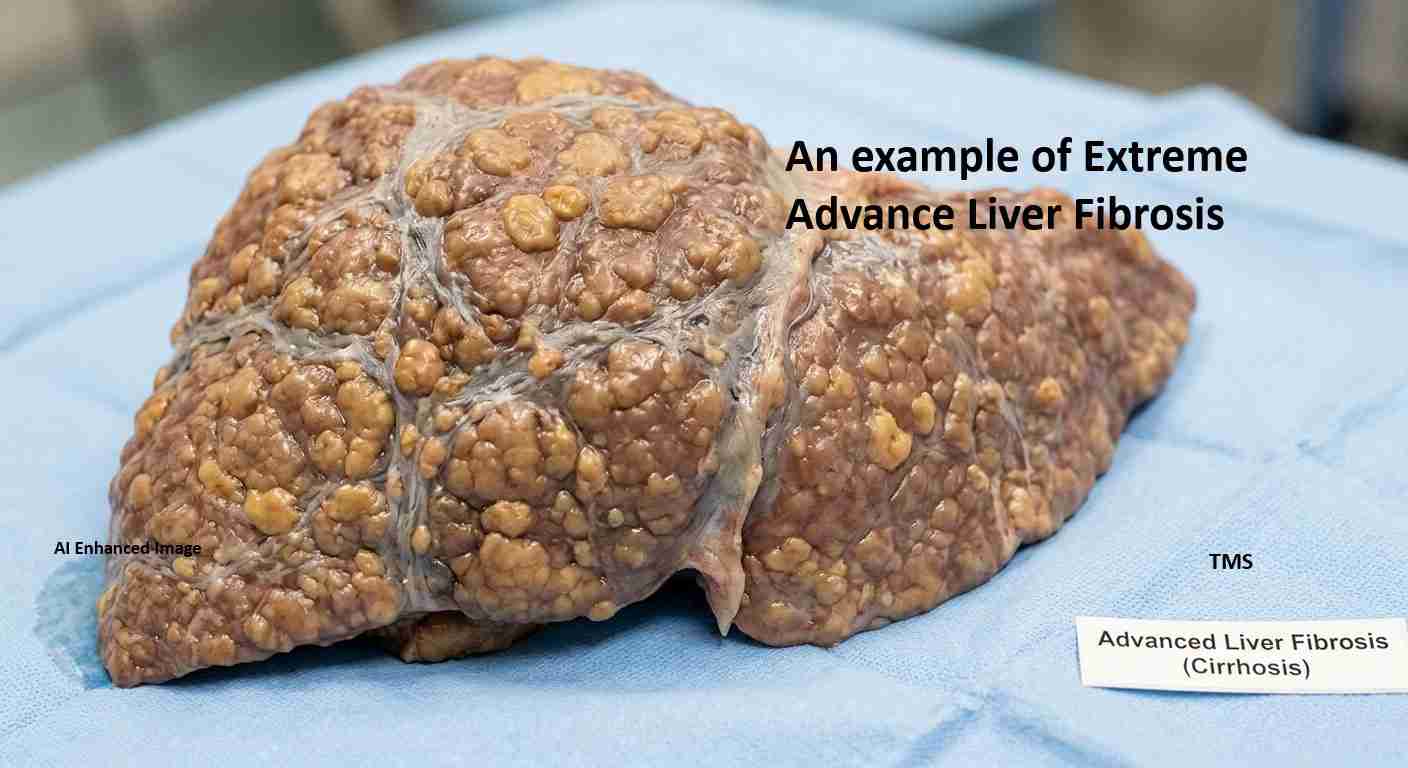
Even occasional binge drinking may triple risk of serious liver scarring in people with MASLD, USC study finds
A USC analysis of over 8,000 U.S. adults finds that occasional binge drinking — four+ drinks for women or five+ for men in a day — may triple the odds of advanced liver fibrosis in people with MASLD.
Key takeaways
- Occasional binge drinking (≥4 drinks for women, ≥5 for men on one day) was linked to about a threefold increase in odds of advanced liver fibrosis among people with metabolic dysfunction‑associated steatotic liver disease (MASLD).
- The finding comes from an analysis of six years of NHANES data (2017–2023) covering more than 8,000 adults; results are observational and rely on self‑report. Keck Medicine of USC press release and study details.
- MASLD affects an estimated 25%–30% of U.S. adults; episodic heavy drinking was common, and nearly 16% of those with MASLD reported monthly heavy episodes.
- Clinicians should screen for pattern of drinking (not just weekly totals) and counsel patients with metabolic risk factors to avoid episodic heavy drinking.
What the study looked at
Researchers led by Brian P. Lee, MD, a hepatologist and liver transplant specialist with Keck Medicine of USC, examined whether drinking pattern — not only total alcohol consumed — affects liver damage. The team used U.S. National Health and Nutrition Examination Survey (NHANES) data from 2017–2023, analyzing responses from more than 8,000 adults to identify people with metabolic dysfunction‑associated steatotic liver disease (MASLD), a fatty liver condition linked to obesity, type 2 diabetes, high blood pressure and high cholesterol.
The researchers compared people who reported occasional heavy drinking — defined as at least one day per month with four or more drinks for women and five or more for men — versus those who consumed a similar weekly total spread across more days (for example, small daily amounts). Among people with MASLD, episodic heavy drinking was associated with nearly triple the odds of having advanced liver fibrosis, the stage when scar tissue accumulates and liver function is threatened. For context on fibrosis, see the American Liver Foundation.
Why the drinking pattern matters
Biological explanation: medical experts explain that consuming many drinks in a short time can trigger acute liver inflammation and injury that differs from steady, lower‑level drinking. Clinicians often consider average weekly amounts, but this study suggests that a single heavy episode may be more harmful to an already vulnerable liver than the same number of drinks spread over days.
“A single heavy episode can be more harmful to a vulnerable liver than the same number of drinks spread out over days,” said lead investigator Dr. Brian P. Lee.
The study cites both clinical discussion and a video discussion with the lead author that expands on implications; see the video discussion with Brian P. Lee, MD and the Keck Medicine of USC summary for details.
Biological and experimental support
Animal and laboratory studies back the idea that binge patterns cause distinct harm. For example, UCSF research in 2017 showed repeated binge sessions quickly produced fatty liver, higher liver triglycerides and inflammation not seen with moderate daily drinking in the same models. Other studies show binge patterns increase oxidative stress, immune activation and molecular signals that accelerate scarring, fibrosis and steatohepatitis; see a review of alcohol‑related liver injury here.
What the numbers mean for individuals
Important caveat: the study is observational and cannot prove causation. It relies on self‑reported drinking, which may be inaccurate, yet the association was robust: occasional heavy drinking was common in the sample and strongly tied to advanced fibrosis among those with metabolic fatty liver disease. Risk rose with the number of drinks per session, and younger adults and men were more likely to report episodic heavy drinking.
Clinicians’ takeaway: screening and counseling
Experts recommend screening patients not only for average alcohol use but also for binge episodes. Patients with obesity, diabetes, high blood pressure or high cholesterol who report episodic heavy drinking should be warned that even occasional binges raise the chance of serious liver scarring. Dr. Lee urged people to avoid episodic heavy drinking and to speak with their health care providers about liver risk and safe drinking limits; see the Keck Medicine of USC press release for clinical guidance.
Limitations and differing results
Not all studies align. Some research has not found harm from very infrequent binges, and observational work cannot replace randomized trials. The authors call for longitudinal research that uses clinical measures to verify self‑reports. This paper highlights binge patterns rather than only weekly totals, but it remains one piece of a broader scientific picture; see a discussion of variability in binge effects here.
Resources and where to learn more
- Keck Medicine of USC press release and study details
- Video discussion with lead author Brian P. Lee, MD
- UCSF research on binge drinking and liver damage
- Review of alcohol‑related liver injury
- Study discussing variability in binge effects
- Information on fibrosis — American Liver Foundation
- Yale Medicine overview of alcohol and the liver
Implications for Las Vegas, Nevada
Economic impact
Southern Nevada’s health system could face higher costs if more residents with MASLD progress to advanced liver fibrosis. Hospital stays, specialist care and potential liver transplants are expensive, and employers may see increased short‑term disability and long‑term health costs if episodic heavy drinking worsens liver disease among working adults.
Political consequences
Local policymakers may need to consider stronger public health campaigns and prevention programs that focus on the harm of binge drinking for people with MASLD — not just overall alcohol consumption. City and county public health departments could face pressure to fund targeted outreach in bars, casinos and workplaces where episodic heavy drinking is common.
Social effects
Las Vegas’s tourist and nightlife culture includes settings where heavy single‑session drinking is common. That social environment may put residents with metabolic risk factors at higher danger. Public health messaging aimed at urban, working adults — especially younger men, who reported more binge episodes in the study — could help reduce risky patterns.
Cultural relevance
Nevada’s hospitality and entertainment industries are central to local life and jobs. Public health approaches must balance respect for nightlife and workers’ livelihoods with clear information about the specific risk that occasional heavy drinking poses to people with obesity, diabetes and high blood pressure.
Practical applications for residents and providers
- Screening: Primary care and urgent‑care clinics in Las Vegas should screen for both average alcohol use and binge patterns; simple questions can identify monthly heavy drinking.
- Counseling: Clinicians should counsel patients with MASLD or metabolic risk factors to avoid episodic heavy drinking and discuss safer patterns. Brief counseling can reduce harmful drinking for some patients.
- Public health outreach: The Southern Nevada Health District and community clinics could create targeted campaigns explaining that even occasional heavy drinking raises the risk of advanced liver fibrosis in MASLD.
- Patient resources: Residents can learn more from the American Liver Foundation and local health departments about testing, lifestyle changes and treatment options.
Reporting on drinking pattern — not just weekly totals — can change clinical practice and public understanding. For people with metabolic risk factors in Las Vegas, avoiding episodic heavy drinking may be a concrete step to protect liver health and reduce the chance of advanced scarring.