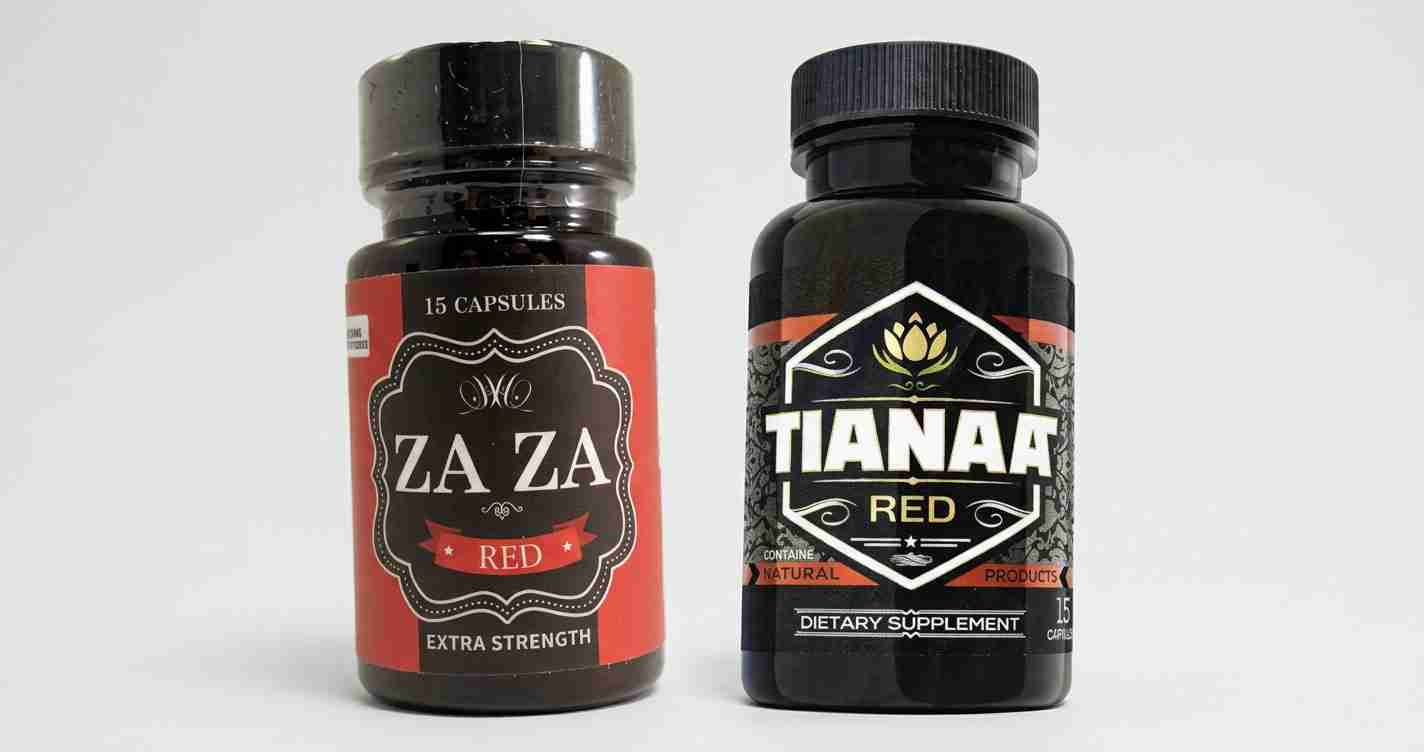
Gas station heroin tianeptine: States move to ban a dangerous unapproved drug
Tianeptine — often called “gas station heroin” — is an unapproved antidepressant with opioid-like effects that have prompted rising poison center calls, federal warnings and a wave of state bans as officials warn of addiction, respiratory depression and deaths.
Key takeaways
- State action: Fourteen states have moved to classify tianeptine as a Schedule I controlled substance amid rising poison center calls and medical emergencies (VCU Health; FDA).
- Not FDA-approved: Tianeptine is not approved for any use in the U.S. and can act like an opioid at high doses, causing respiratory depression and death (FDA; Mayo Clinic).
- Widespread retail sales: The drug is commonly sold at convenience stores, gas stations, vape shops and online under brand names such as Tianaa, Zaza, Neptune’s Fix, Pegasus and TD Red in flavored pills, powders and liquids (FDA; VCU Health).
What tianeptine is
Tianeptine is a tricyclic antidepressant approved in some countries outside the United States to treat depression and related conditions, but it is not FDA-approved for any use in the U.S. At low doses it alters serotonin activity and can produce mild euphoria; at higher doses it stimulates mu-opioid receptors and can produce opioid-like effects that may be more potent than morphine, leading to life‑threatening breathing problems (Mayo Clinic; FDA).
How it’s marketed and sold
Retailers and online sellers often label tianeptine products as dietary supplements, nootropics or mood enhancers. Packaging commonly promises pain relief, improved mood, appetite suppression or better sexual performance — claims not backed by FDA approval. Products arrive in small bottles, capsules, powders and flavored liquids and have been sold in convenience stores, gas stations, vape shops and online, increasing access among young people (FDA; VCU Health).
Tianeptine health risks
Medical experts and federal agencies warn that misuse of tianeptine can cause severe and sometimes fatal consequences. Reported adverse effects include:
- Respiratory depression (slowed or stopped breathing)
- Extreme drowsiness, coma and seizures
- Irregular heart rhythms and death
- Increased overdose risk when combined with alcohol, benzodiazepines or opioids
Case reports show U.S. users consuming daily doses far above therapeutic levels used abroad — roughly 50 mg up to 10,000 mg — raising the chance of severe toxicity. The Drug Enforcement Administration and federal health agencies list respiratory depression and death among reported harms (FDA; Mayo Clinic).
Addiction and withdrawal
Tianeptine can be highly addictive. Repeated high‑dose use leads to dependence and opioid‑like withdrawal when use stops. Reported withdrawal symptoms include intense cravings, sweating, muscle aches, chills, tremors, anxiety and worsening depression. Health professionals warn that people with prior substance‑use disorders are at elevated risk (FDA; Mayo Clinic).
Regulatory response: States banning tianeptine
States are moving to restrict access. Fourteen states have classified tianeptine as a Schedule I controlled substance, making sale and possession illegal in those jurisdictions. Connecticut most recently banned sale and use effective this week and added several other substances to its schedule — including kratom derivatives, bromazolam, flubromazolam, nitazenes and phenibut. Connecticut Lt. Gov. Susan Bysiewicz said the change was necessary “to combat addiction and to protect young people drawn to flavored, falsely marketed products” (VCU Health).
“This action is necessary to combat addiction and to protect young people drawn to flavored, falsely marketed products.” — Connecticut Lt. Gov. Susan Bysiewicz
Virginia and other states passed bans in recent years; lawmakers point to the drug’s unapproved status and deceptive marketing as reasons for state-level action. At the federal level, the FDA and other agencies have issued warnings and tracked clusters of illness tied to products containing tianeptine.
Federal warnings and clusters of illness
The FDA and poison control centers have documented rising adverse events since 2016. In 2024, a cluster in New Jersey linked to a product known as “Neptune’s Fix” — which contained tianeptine plus synthetic cannabinoids — led to deaths, seizures and prolonged heart‑interval abnormalities. In May 2025, FDA Commissioner Martin Makary issued a public letter warning about the growing risk tianeptine poses to youth and communities nationwide (FDA).
Poison control data and emergency care strain
Poison control centers report a sharp rise in tianeptine-related calls. Virginia’s poison center said in 2024 it handled a large surge of cases, with roughly one-third of patients needing ICU-level care for toxicity or withdrawal. New Jersey reported clusters sending people to emergency departments critically ill. These spikes strain emergency services and complicate care, especially when patients test positive for multiple substances (VCU Health; New Jersey health alert).
Detection challenges for clinicians
Routine drug screens may not detect tianeptine, making diagnosis harder in emergency settings and potentially delaying targeted treatment. Clinical labs and poison centers recommend that providers suspect tianeptine when patients have opioid-like symptoms but test negative on standard opioid screens; poison control can assist with treatment guidance (FDA).
Where to get help
People who need help for substance use can contact SAMHSA’s National Helpline for free, confidential referrals to local treatment services at 1-800-662-HELP (4357). Health care providers suspecting tianeptine exposure should contact their regional poison control center at 1-800-222-1222.
Implications for Las Vegas, Nevada
Economic and public health impact: Las Vegas’ many convenience stores, smoke and vape shops, plus a large tourism economy, create multiple retail points where tianeptine products can appear, increasing the risk of local access and accidental exposure. Emergency departments in Clark County could see more cases of severe sedation, respiratory depression and withdrawal, adding pressure to busy hospitals.
Political consequences: Nevada lawmakers and local officials may face pressure to match other states’ restrictions. Options include state or city bans, retailer enforcement and public education campaigns that could appeal to voters concerned about public safety.
Social effects and cultural relevance: Candy‑like flavors and deceptive marketing make tianeptine a danger to teens and young adults; Las Vegas’ nightlife and late hours can amplify exposure risks. Messaging aimed at hospitality and service workers and visitors will have local resonance.
Practical applications: Local public health agencies should monitor poison-control trends, coordinate with hospitals, perform retail compliance checks at convenience stores and vape shops, and alert clinicians that routine drug screens may miss tianeptine. Residents should be warned not to buy supplements or mood enhancers from unregulated sources and to seek help for signs of overdose.
Reporting and resources
Key sources for this report include the U.S. Food and Drug Administration’s consumer warning on tianeptine (FDA), VCU Health, the Mayo Clinic consumer information and a New Jersey health alert documenting cluster illnesses. For help with substance use, contact SAMHSA’s National Helpline or call poison control at 1-800-222-1222.