Iran using AI to push false victories against U.S., former CISA acting director says
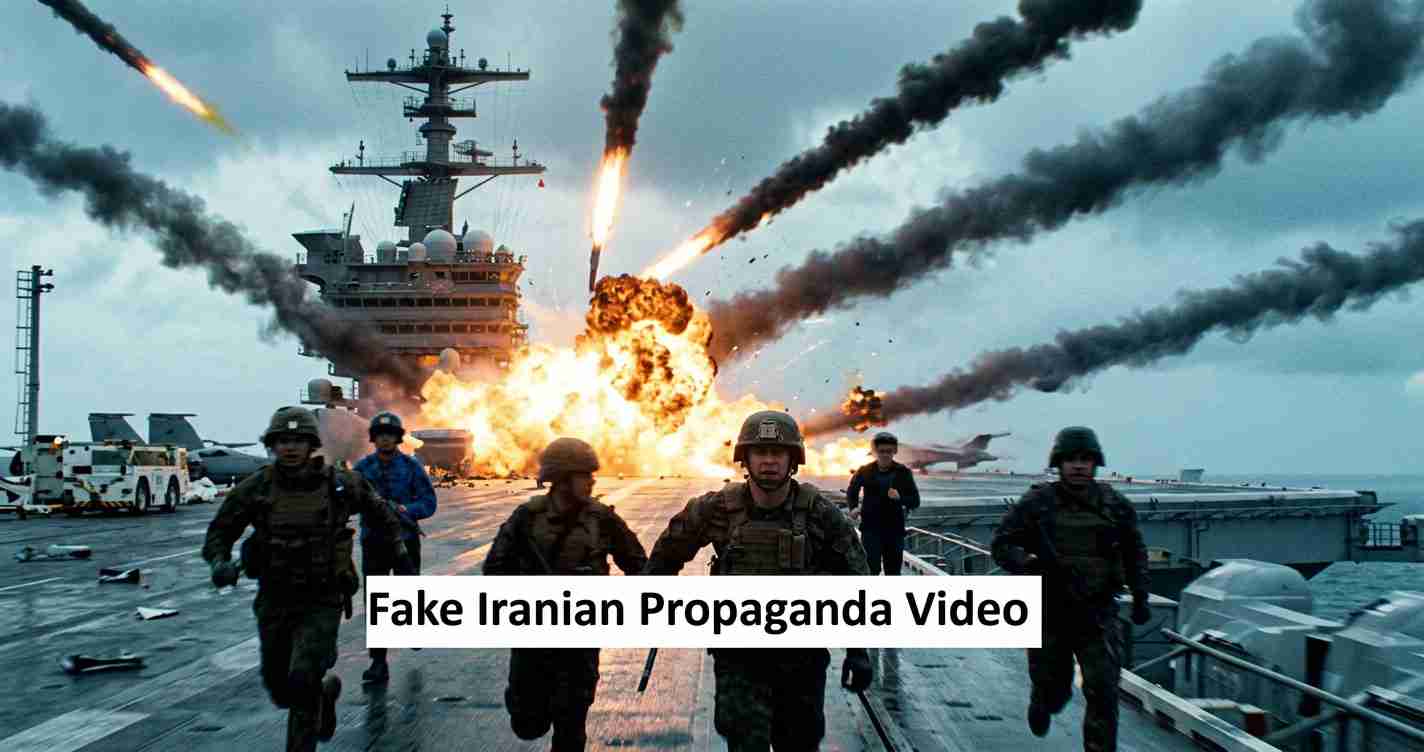
Former acting CISA director Bridget Bean says Iran is using AI-generated and subtly edited images and videos to fabricate battlefield victories against the U.S., a tactic she calls “war deception” aimed at eroding public resolve and shaping global narratives.
Key takeaways
- Iran is reportedly using AI-manipulated media — former acting CISA head Bridget Bean warned on Fox News that the regime blends real footage with AI edits to push a false story of victory. Fox News video
- Subtle edits pass quick visual checks — Bean said small changes make manipulated material look authentic during fast phone scrolling.
- Example flagged by journalists: images of Mojtaba Khamenei were reported as edited, with reporters noting signs consistent with online AI tools. this report
- Key unknowns remain: which exact AI tools were used, how widespread the edits are, and whether edits are centrally directed.
What Bridget Bean said and where she said it
On The Ingraham Angle on Fox News, Bean warned that Iran has shifted tactics as its military options remain limited. “They can’t win on the battlefield, so they’re going to try and win through AI and through a global narrative,” she said during the interview. See the Fox News video of the segment.
Bean described the approach as a form of “war deception” designed to weaken public will and resolve by pushing visuals and clips that appear credible at a glance.
How manipulation has evolved
Bean contrasted older, easy-to-spot manipulations — like mismatched lip-sync or obviously altered faces — with a newer wave of AI-manipulated content that is subtle and more likely to pass a quick, scrolling viewer’s “gut test.” She emphasized the mix of real footage with small AI touches that preserve apparent authenticity while changing meaning. See the segment excerpt in the Fox News video.
Examples cited in reporting
Recent reporting pointed to images posted by Iranian state media and on Mojtaba Khamenei’s X account purporting to show him as the new supreme leader after reports said he had not appeared publicly due to injury. Journalists and fact-checkers flagged those photos; BBC Verify’s Shayan Sardarizadeh reportedly noted edits consistent with readily available online AI tools, according to this report.
Important: available reporting does not list the exact AI programs used or independently verify every altered item — analysis so far is based on expert flags and journalist review.
How the tactic works — and why it can be effective
Security experts warn that modern AI tools can make small, precise changes to photos and video so they look authentic at first glance. The reported method combines genuine clips with slight AI edits so the resulting files pass casual inspection on fast-moving social feeds but still convey a false narrative of success.
“Their old playbook was very discernible — funny faces or out-of-time lip sync — but they’ve gotten very good on some of their AI manipulation,” Bean said.
Social platforms amplify striking visuals quickly; when users scroll fast, minor artifacts are easy to miss, making subtle edits especially potent for shaping perceptions without obvious, immediate debunking.
What’s confirmed and what remains unclear
- Confirmed: Bridget Bean publicly raised the issue on Fox News. See the Fox News video. Journalists have flagged images of Mojtaba Khamenei that appear edited per this report.
- Unclear: Which AI systems were used; the number and scope of altered items; whether edits were centrally orchestrated; and full distribution methods used to seed the narrative.
Why this matters now
Bean framed the use of AI for propaganda as a deliberate strategy to erode foreign resolve and influence global narratives about the conflict. If sustained, such a campaign could shape public opinion, complicate diplomatic responses, and create confusion about events on the ground. AI-manipulated content also undermines trust in media and can have real-world impacts if treated as verified fact.
Reporting standards and verification challenges
Journalists and fact-checkers rely on technical forensic analysis, cross-checking with known footage, metadata inspection, and expert review to flag manipulation. As Bean noted, small edits can pass casual inspection, so readers should seek multiple reputable sources and verification organizations before accepting or sharing dramatic visuals.
Implications for Las Vegas, Nevada
Economic impact
Las Vegas depends on tourism, conventions and global confidence in U.S. stability. A sustained disinformation campaign that erodes public confidence could influence travel decisions and ripple through hotels, casinos, and entertainment venues that rely on steady visitation.
Political consequences
As a swing state, Nevada could see intensified local debates over national security, foreign policy, and defense spending. Elected officials and city leaders may face pressure to provide clear, verified information to constituents during sensitive political cycles.
Social effects
Las Vegas hosts many military families and veterans; false narratives implying U.S. setbacks can heighten anxiety among these communities. Rapid spread of unverified posts in local networks increases the need for media literacy and calm fact-checking.
Cultural relevance
Residents value practical, fast communication. Viral AI-manipulated content can erode trust in local news unless outlets and community leaders emphasize verification and transparent sourcing.
Practical applications for residents
- Verify before sharing: Check multiple reputable outlets and official statements before reposting dramatic images or videos.
- Use simple tools: Reverse image search and checking verified government or official accounts help spot suspicious images.
- Expect institutional caution: Employers, casinos and schools will likely refer questions to official guidance.
- Civic engagement: Voters and community groups can press local officials to support media literacy and cybersecurity education.
Local capacity and response
Las Vegas’ media outlets, universities (including UNLV), and a growing tech and cybersecurity community can partner to counter disinformation via public workshops, timely fact checks, and guidance on spotting AI-manipulated content.
Sources
- Bridget Bean interview on The Ingraham Angle (Fox News video)
- Reporting citing edited images of Mojtaba Khamenei and BBC Verify commentary
Reporting note: This article draws on the Fox News interview and reporting that cites BBC Verify analysis. Public reports to date do not identify the exact AI tools used or provide a comprehensive inventory of altered items; readers should treat these alerts as early warnings and seek verification through established fact-checkers and official sources.