Mojtaba Khamenei Elected Iran’s Supreme Leader as Regional War Intensifies
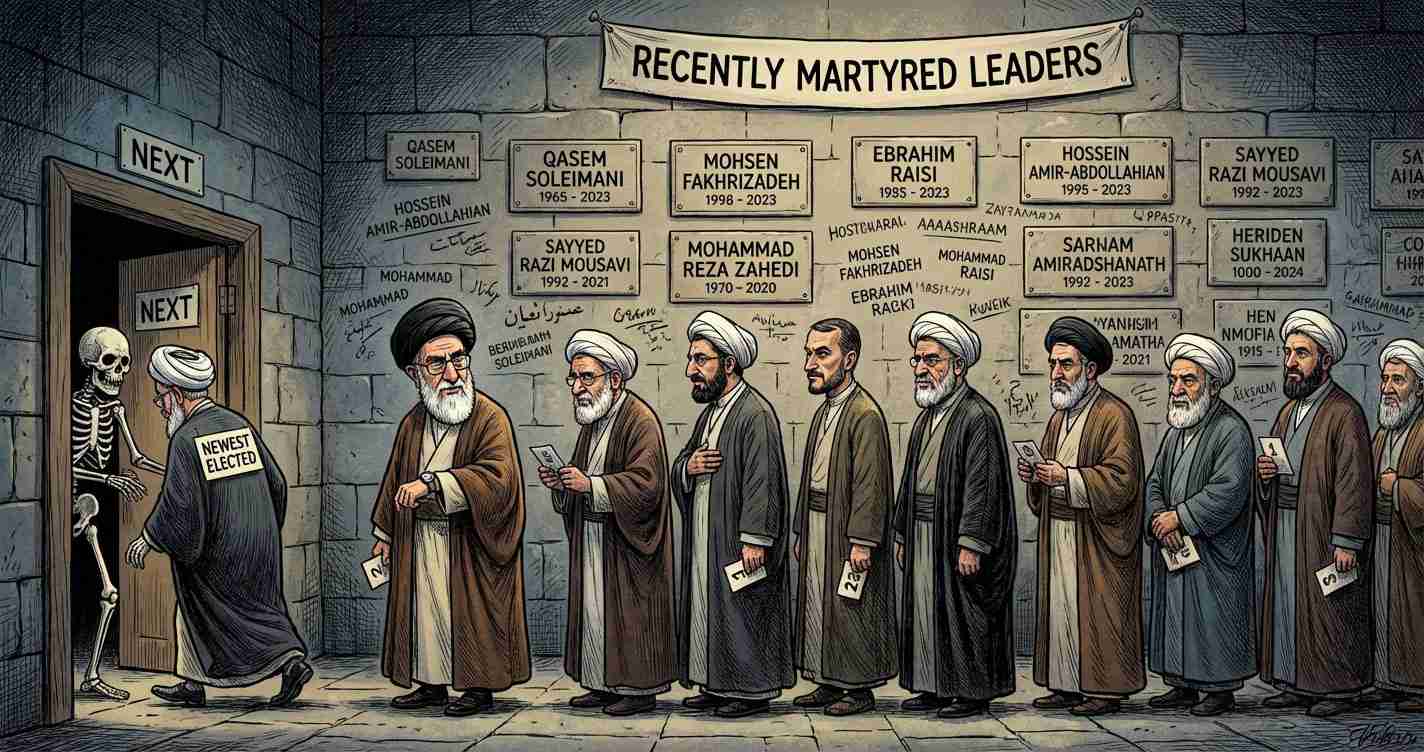
Mojtaba Khamenei was elected Iran’s new Supreme Leader by the 88-member Assembly of Experts on March 8–9, 2026, after his father’s reported death in US‑Israeli airstrikes, as a regional war escalated and the country faced unprecedented instability.
- Assembly vote: The 88‑member Assembly of Experts reportedly selected Mojtaba Khamenei after online meetings March 8–9, 2026, according to international reports and regional coverage.
- Context: The vote followed reports that Ayatollah Ali Khamenei died in joint US‑Israeli airstrikes on Feb. 28, 2026, amid an intensifying regional war with strikes across the Gulf (reports; coverage).
- Profile: Mojtaba, believed mid‑50s, has no elected government post but long influence within his father’s office and ties to the IRGC, noted by regional reporting.
- Interim rule: His appointment followed a short interim leadership under a three‑person council and discussion of Article 111 and analyst commentary.
- Global reaction: U.S. President Donald Trump publicly criticized the selection, calling Mojtaba “a lightweight,” while European leaders urged restraint (coverage; coverage).
Mojtaba Khamenei: background and rise
Mojtaba Khamenei was born in Mashhad in 1969 and grew up as his father rose from opposition cleric to senior regime figure after the 1979 Islamic Revolution. He studied at Alavi High School in Tehran and began formal clerical studies after his father became supreme leader in 1989. Reports characterize him as a mid‑ranking cleric (hojjatoleslam) who fought in the Iran‑Iraq War and later pursued religious study in Qom under senior clerics close to the regime (report; profile).
Observers have long flagged Mojtaba as a potential successor because of his proximity to the supreme leader, access to networks and wealth, and close ties to the Islamic Revolutionary Guard Corps. Critics point to his lack of senior theological credentials and absence of elected office. Notably, the U.S. Treasury sanctioned him in 2019 under Executive Order 13867 for allegedly representing the supreme leader in an official capacity despite not holding elected office (source).
How the Assembly chose him
Iran’s Assembly of Experts — an 88‑member body constitutionally tasked with choosing and overseeing the supreme leader — convened online amid wartime conditions and reportedly under heavy pressure from the IRGC. Sources describe a contentious session with internal disagreements over the legitimacy of the process and Mojtaba’s qualifications (report; analysis).
A three‑person interim council — President Masoud Pezeshkian, Chief Justice Gholam‑Hossein Mohseni‑Eje’i, and Ayatollah Alireza Arafi — carried out leadership duties while the Assembly debated options (report; analysis).
Accounts vary on motivations: some sources say IRGC pressure and the need for continuity during war pushed clerics toward “the name of Khamenei” as a stabilizing choice; others note Ayatollah Arafi was a contender and that the process unfolded under threat of further strikes, including an attack on the Assembly’s building in Qom (report; analysis).
International reaction and the Iran regional war
The announcement came as the Iran regional war entered its ninth day. Iran launched missiles and drones toward Bahrain, Kuwait, the UAE and Saudi Arabia; reports indicate at least one U.S. service member was killed in a Saudi attack and cross‑border casualties rose as strikes continued (coverage).
Israel and the U.S. carried out airstrikes inside Iran targeting nuclear and military sites; one strike reportedly hit the Assembly building — an unprecedented escalation targeting leadership infrastructure (report; analysis).
“A lightweight” — U.S. President Donald Trump’s characterization of Mojtaba, reported publicly, signaled Washington’s rejection of the succession and a hardened posture toward any leader seen as aligned with the IRGC (coverage).
European leaders, including French President Emmanuel Macron, publicly called on Iran to halt regional strikes, urging restraint even as tensions intensified across the Gulf (coverage).
Disputed facts and open questions
Several elements remain disputed or unclear: Mojtaba’s exact age (sources list 54–56) and precise voting details from the Assembly vary across reports. Iranian officials initially denied a finalized appointment even as state‑affiliated media and multiple international outlets reported the selection (report; profile; coverage).
Questions also persist about Ayatollah Ali Khamenei’s status: some sources say he was killed in strikes, while others suggest he may be in hiding or incapacitated. Past U.S. assessments — including a 2008 cable — had flagged Mojtaba’s leadership potential, a debate that resurfaced amid the crisis (report).
Analysts now watch whether the Assembly’s decision reflects genuine clerical consensus or a security‑driven selection made under wartime pressure (analysis).
Implications for Las Vegas, Nevada
Economic impact: Las Vegas depends on stable global travel and tourism. A wider Iran regional war can push up global oil and insurance costs, raise jet fuel prices and airline tickets, and reduce international visitors and conventions. Local businesses tied to international supply chains may face higher energy and freight costs (coverage).
Political consequences: Nevada’s voters and officials may reignite debates over U.S. involvement abroad. Military families tied to Nellis Air Force Base could face deployments or heightened concern. Local leaders will be watched for statements balancing national security with calls for diplomacy (report).
Social effects: Multicultural communities in Las Vegas may see demonstrations both supporting and opposing U.S. and Israeli policies. Iranian‑American and Persian‑speaking residents may organize forums and aid efforts; city officials and first responders should prepare for protests while protecting free speech (analysis).
Cultural relevance & practical tips: Faith communities, mosques and universities may host panels, vigils and briefings. Travelers should monitor airline advisories and expect possible price changes; businesses should review energy and supply contracts and scenario‑plan for higher fuel or shipping delays. Veterans can check Department of Defense updates and local base public affairs for deployment information (coverage; report).
Reporting note and sources
This report draws on multiple news outlets and expert analysis, including coverage and analysis from: The Jerusalem Post; Euronews; Iran International; The Telegraph; and the Carnegie Endowment for International Peace. Further developments are likely as confirmation and international reactions continue to emerge.
Note: All original facts, quotes and URLs are preserved from reporting cited above; readers should watch for official confirmations and additional coverage.