Hundreds of Iranian-Americans march in New York to celebrate reported death of Ayatollah Khamenei after U.S.-Israel strikes
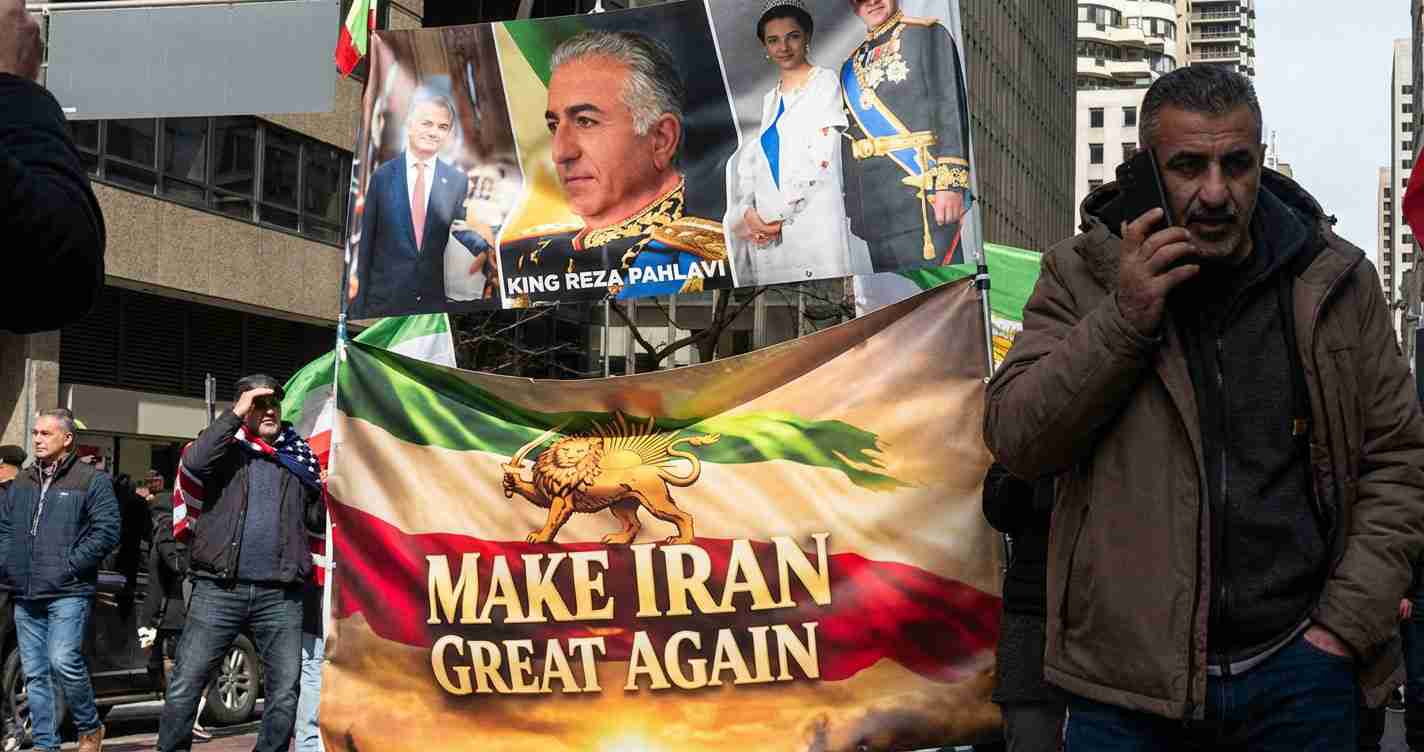
Hundreds of Iranian-Americans marched in Manhattan on March 1, 2026, to mark the reported death of Iran’s Supreme Leader Ayatollah Ali Khamenei during weekend U.S.-Israel strikes, waving pre-1979 Persian flags and calling for a transitional government.
- Mass march: A Lion and Sun–organized rally wound through Manhattan on March 1, ending near a public plaza.
- Mixed emotions: Protesters expressed sorrow for past victims and relief at Khamenei’s reported death, while urging regime change and support for Reza Pahlavi as a transitional leader.
- Symbols and allies: Attendees carried pre-1979 Persian Lion and Sun flags alongside American and Israeli flags and thanked some U.S. leaders and service members.
- Wider fallout: The strikes and reports of casualties across Iran sparked celebrations, fear, and international debate; local leaders and communities are preparing for political and social impacts.
The march: where, when and who
A march organized by the Lion and Sun group took place in Manhattan on March 1, 2026. Protesters walked and rallied, ending near a public plaza, carrying pre-1979 Persian flags and signs calling for regime change and justice for victims of Iranian state violence. Sources: CBS News; AM New York.
Organizers and aims
The Lion and Sun group supports exiled Crown Prince Reza Pahlavi as a proposed transitional leader until Iranians can select their government, and organizers spoke openly about seeking a transitional government led by him. Organizers framed the event as both a memorial and a call to political change.
What protesters said
Attendees mixed sorrow, relief and calls for change. Foujan Gharib, an NYU student who says she fled Iran in 2023 after the Mahsa Amini protests, described days of fear and injury in Tehran and said she spent Sunday “crying and dancing” after 50 days of brutal crackdowns.
“We are honoring all the people that were murdered by the Ayatollah regime 50 days ago and also celebrating the death of the Ayatollah,” said Manhattan resident Fariborz Aghili.
Shadi Hosseini, who fled Iran as a toddler and whose family in Iran belong to the Baha’i faith, said the Iranian people had suffered for decades: “There is not one person outside of Iran that doesn’t have family member or acquaintance they know that have been slaughtered.”
Some demonstrators publicly thanked U.S. leaders and forces for the strikes. Riag Javid, head of the Persian American Parade, acknowledged U.S. service members killed in the weekend attacks and called them “our heroes.” Another participant, Shawn Azzeam, publicly thanked the United States and former President Trump for backing Iranian dissidents. (Reporting and eyewitness accounts: CBS News.)
Broader context: the strikes and Iranian reactions
The clashes that set off the New York protests began with strikes on Feb. 28–29. U.S. and Israeli officials said the attacks killed Khamenei and a number of top aides; Iranian official and humanitarian sources later reported hundreds of casualties across military and civilian sites. The Iranian Red Crescent reported more than 200 deaths in related strikes, while other outlets cited the elimination of roughly 40 senior officials. Coverage and timelines vary by outlet; see further reading below (AM New York).
Across Iran, reactions were complex: social media showed both celebrations — including toppling regime symbols in cities such as Kiraj and Dehloran — and scenes of fear, mourning and concern about instability and foreign intervention. Experts warn that even with Khamenei removed, the regime’s security apparatus and its hold in parts of the country remain potent. (See coverage from News and Sentinel and Deutsche Welle; video compilation: YouTube.)
U.S. domestic reactions and New York City response
The strikes and the marches drew immediate debate in the U.S. New York’s mayor, Mamdani, condemned the strikes as “an illegal war of aggression” and emphasized city steps to protect residents. The mayor’s office said the NYPD took proactive measures ahead of weekend demonstrations — both celebrating and opposing the strikes. Large anti-war crowds also gathered, led by groups such as the People’s Forum and the ANSWER Coalition. (Local reporting: AM New York.)
Media coverage and commentary followed, with some outlets publishing obituaries and profiles of Khamenei and others drawing criticism for tone. The framing of Khamenei’s long rule — including his role in protests and rights abuses — became part of national discussion. (Example: Fox News.)
Related demonstrations
Sunday’s march in Manhattan occurred amid other supportive rallies. A pro-Israel coalition marched from the United Nations to Times Square, waving flags and chanting for regime change and support for Reza Pahlavi. Some attendees pointed to international human rights reports documenting abuses against women, LGBTQ people and religious minorities in Iran as reasons for their stance. (Coverage: AM New York.)
Fact checks and reporting notes
Coverage of the strikes and aftermath varies by source and viewpoint. While U.S., Israeli and some Iranian state outlets reported Khamenei’s death, analysts caution that information warfare and real-time chaos in conflict zones can complicate precise casualty counts. Local New York reporting gathered direct testimony from Iranian-Americans who fled Iran in recent years, and organizers spoke openly about seeking a transitional government led by Reza Pahlavi. (See CBS News and AM New York.)
Implications for Las Vegas, Nevada
Economic impact
Las Vegas relies heavily on tourism and hospitality. Any major international crisis that raises flight risks, prompts travel advisories or stokes regional instability can affect bookings and conventions. Immediate disruption tied specifically to these strikes is unlikely, but prolonged escalation could raise fuel prices, insurance premiums and travel uncertainty that ripple through Nevada’s tourism industry.
Political consequences
Clark County and Las Vegas host diverse immigrant communities, including Iranian-Americans. Local elected officials may face calls for statements, resolutions or actions reflecting community concerns. City leaders could be asked to address public safety at events and to coordinate with federal and state agencies on security planning.
Social effects
Emotional fallout will be felt by families across Las Vegas with ties to Iran. Community groups, faith leaders and university counseling centers may see increased demand for mental health and legal support services. Baha’i and other minority faith members may feel particular anxiety given reports of targeted persecution in Iran.
Cultural relevance
The Persian community in Las Vegas preserves cultural events, restaurants and networks that keep ties to Iran alive. The New York march and similar demonstrations may prompt local cultural organizations to host vigils, teach-ins or film screenings to help residents process events and share context about Iranian history.
Practical applications for residents
- Security and events: Casinos, universities and large venues should review security plans and crowd-management protocols and coordinate with the Las Vegas Metropolitan Police Department.
- Community services: Nonprofits offering mental health, legal aid and immigrant services should prepare for potential increases in requests related to trauma counseling, family reunification and legal assistance.
- Political engagement: Voters may seek meetings with congressional offices, attend town halls, or push local leaders to take formal stances; Nevada’s delegation could see increased constituent pressure on foreign policy.
Sources and further reading
- CBS News: “Hundreds of Iranian-Americans march in NYC to celebrate death of Ayatollah Khamenei”
- AM New York: “Mamdani’s 100 days” coverage and local protest reporting
- News and Sentinel: reporting on Iranians’ mixed reactions and expert commentary
- Deutsche Welle: video coverage of celebrations and mourning in Iran
- YouTube: compilation of public footage from Iranian cities
- Fox News: coverage of media reaction to obituary framing
Reporting for this story included interviews and on-the-ground coverage from New York sources, eyewitness accounts collected after Sunday’s march, and a review of international reporting and public statements by city officials.