EU designates IRGC terrorist, unveils fresh Iran Revolutionary Guard Corps sanctions amid brutal crackdown
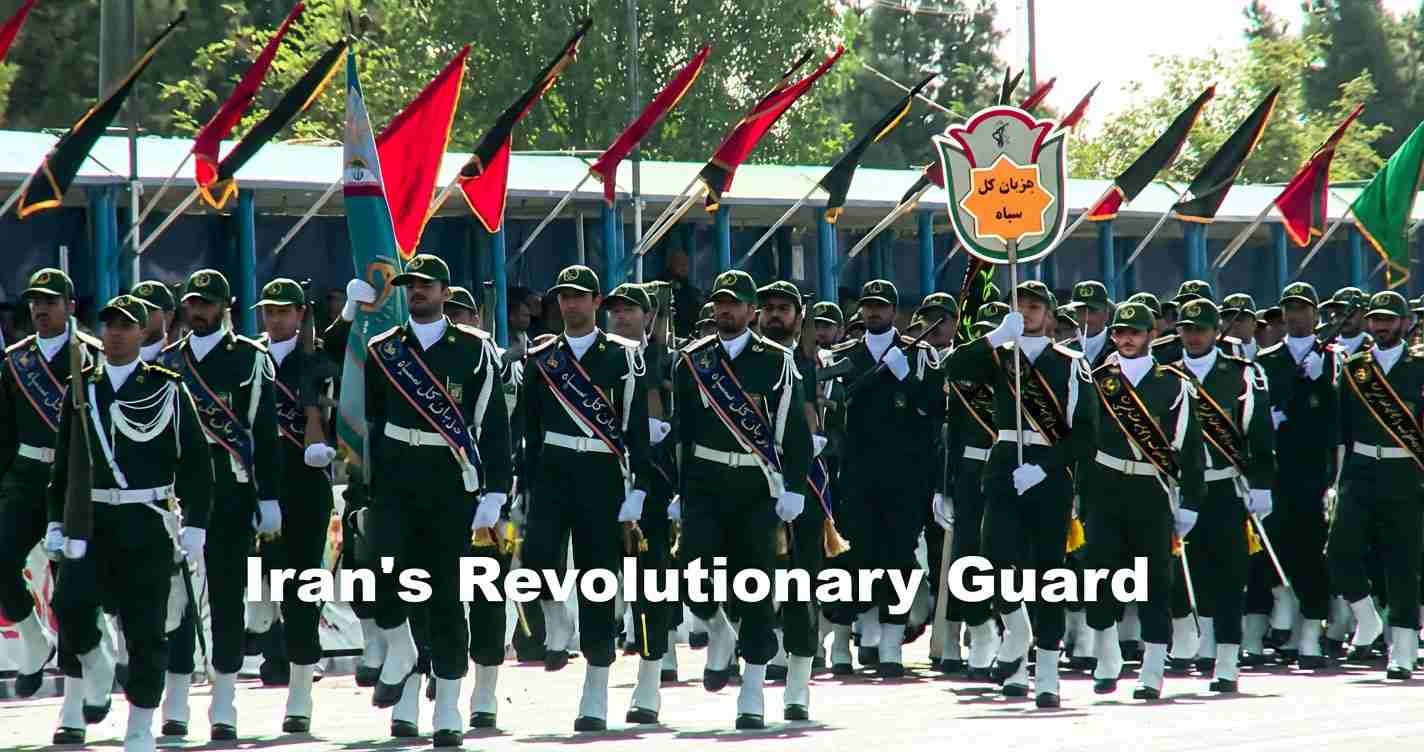
BRUSSELS — The European Union designated Iran’s Islamic Revolutionary Guard Corps (IRGC) as a terrorist organization on January 29, 2026, imposing immediate asset freezes, travel bans and sanctions on more than 20 Iranian officials over a brutal nationwide crackdown on protesters.
Key takeaways
- IRGC listed as terrorist: EU foreign ministers agreed to designate the IRGC, enabling asset freezes and travel bans tied to the label (video briefing).
- Sanctions on officials: The package targets over 20 Iranian officials and entities, including senior security and judiciary figures central to the suppression of protests (European Parliament resolution and details).
- European enforcement: Germany pledged rapid legal implementation and the UK is preparing separate proscription steps, signaling coordinated pressure (see live reporting on reactions and national steps).
What the EU decided and how it works
At a Brussels meeting on January 29, 2026, EU foreign ministers reached a political agreement to add the Islamic Revolutionary Guard Corps to the bloc’s list of terrorist organizations. The designation allows the European Union to freeze assets linked to the IRGC and to impose visa and travel bans on listed individuals, measures intended to cut financial flows and restrict movement for those planning or supporting violence.
An accompanying sanctions package names more than 20 Iranian officials and entities, focusing on senior security and judicial figures accused of ordering or enabling deadly repression during nationwide protests that began after the death of a young woman in custody in late 2025. The European Parliament had earlier urged full designation and broader penalties to close loopholes and improve coordination with partners such as the United States (European Parliament resolution and details).
Why now: protests, killings and regional threats
EU leaders said the decision responds to a brutal crackdown on demonstrators across Iran. The protests, which began in late December 2025, were met with violent force and authorities have reported thousands killed. The EU tied the IRGC directly to extrajudicial killings, misinformation campaigns and suppression of dissent, and warned about the IRGC’s export of terrorism through proxy groups that threaten European interests (European Parliament resolution and details; World Jewish Congress statement).
Who is targeted
The sanctions list identifies high-level officials within Iran’s security and judicial systems. Reports indicate the interior minister, the general prosecutor and the presiding judge are among those named. The designation also covers IRGC institutions and branches such as the Basij militia and the Quds Force, which the EU says carried out repression and exported violence through proxy networks (European Parliament resolution and details; video briefing).
Germany and the UK: next steps
Germany pledged to make the EU designation legally binding quickly to ensure enforcement within Europe’s largest economy. The German move is significant because national transposition determines how rapidly assets can be frozen and travel bans applied (live reporting on reactions and national steps).
The United Kingdom, while no longer an EU member, is preparing separate legislation to proscribe the IRGC as a hostile, state-linked organization. That process is not being rushed but indicates coordinated pressure from European democracies and partners (live reporting on reactions and national steps).
International and civil society responses
The World Jewish Congress welcomed the EU move, calling it an important step to disrupt IRGC networks in Europe and urging swift enforcement (World Jewish Congress statement). European lawmakers and human-rights groups argued naming the IRGC fully is necessary to close loopholes and facilitate cross-border coordination with partners like the United States (European Parliament resolution and details).
Iran’s response and risks of escalation
Tehran reacted angrily. Iran’s foreign minister characterized the EU decision as a “major strategic mistake” and warned that Iran’s armed forces would respond “immediately and powerfully” to any attacks, defending the IRGC as a counterterror force. Officials said the sanctions would shape future relations with the EU (video briefing; live reporting on reactions and national steps).
The EU also linked Tehran’s support for Russia to problematic activities tied to the IRGC, signaling broader geopolitical concerns and potential friction with states already in conflict with Russia.
Legal and practical hurdles
Designation of a foreign military organization as a terrorist group raises legal questions. EU decisions require national transposition to be fully enforceable. That is why Germany’s pledge to make the decision legally binding matters: implementation depends on member states’ domestic laws and administrative action, and on coordination with allies such as the United States and the UK (live reporting on reactions and national steps).
Implications for Las Vegas, Nevada
Economic ties and travel: Asset freezes and travel bans aimed at IRGC-linked individuals are unlikely to hit Las Vegas directly due to limited direct business ties with Iran. However, secondary effects—such as shifts in oil prices and global shipping costs—could raise travel and operating expenses for hotels, casinos and convention centers.
Security and local communities: Las Vegas’s diverse communities, including Iranian Americans and Jewish residents, may experience concern about possible threats or harassment. Local leaders and law enforcement could increase outreach and security at places of worship, cultural centers and public events. The World Jewish Congress urged enforcement to dismantle IRGC networks in Europe, a call that may prompt American Jewish and Iranian diaspora groups in Las Vegas to press local officials for vigilance (World Jewish Congress statement).
Political and civic consequences: The EU’s hard line could influence local conversations on U.S. foreign policy, sanctions as tools to protect human rights, and the balance between targeting perpetrators and safeguarding ordinary Iranians. The designation may prompt Nevada hearings or public forums on related federal and international impacts, from refugee support to hate-crime prevention.
Practical effects on travel and conventions: Heightened tensions could affect visitor patterns and conventions. Organizers and the Las Vegas Convention and Visitors Authority may need contingency plans if governments advise citizens to avoid travel or if international delegations alter plans.
Local civic groups and advocacy: Human-rights and immigrant-support organizations in Las Vegas might renew calls for accountability and humanitarian aid for Iranian protesters, while Iranian American groups urge distinctions between the Iranian government and the Iranian people.
Quote
“This step is a response to both internal human-rights violations and external security threats,” EU foreign-policy leaders said, while European Commission President Ursula von der Leyen described the move as “long overdue” against what she called the “murderous Iranian regime” (European Parliament resolution and details).