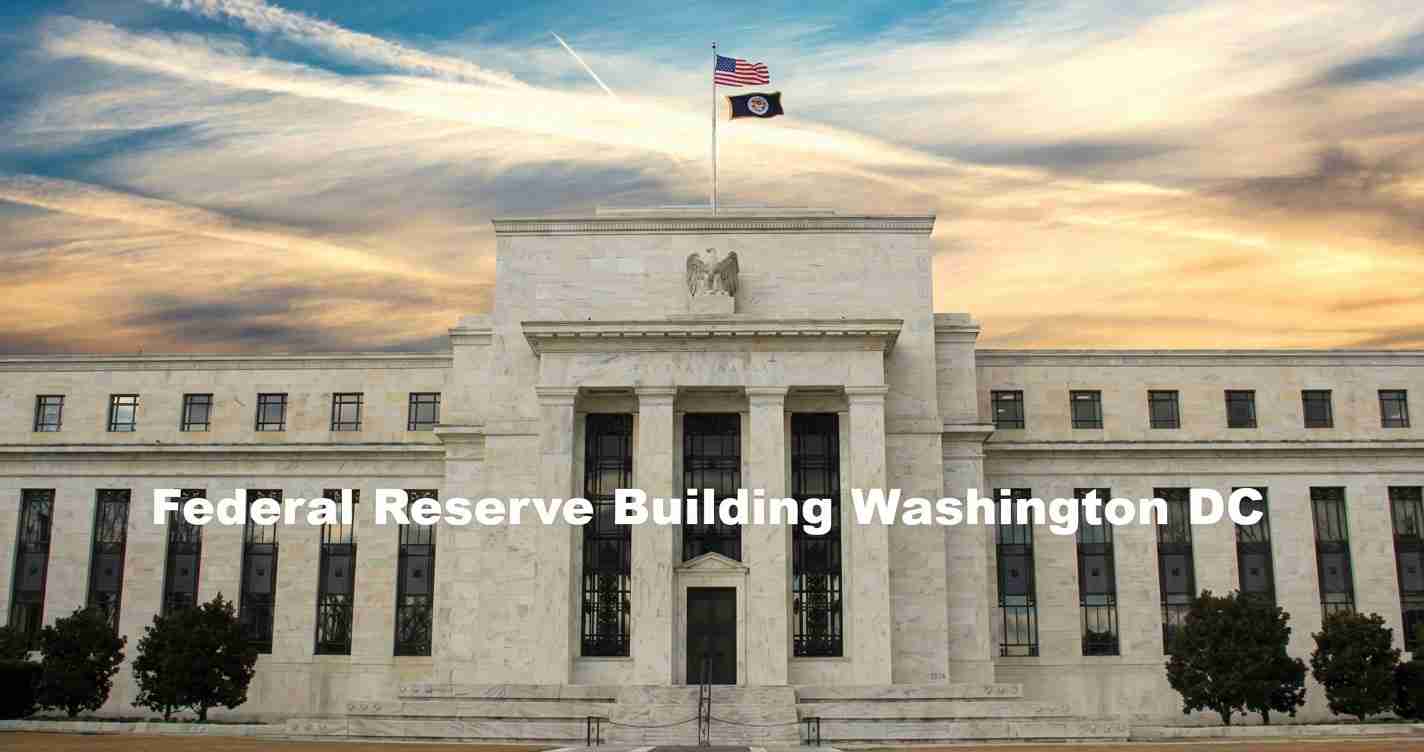
Fed holds rates steady after three cuts, citing labor slowdown and persistent inflation
The Federal Reserve on Jan. 2026 held the federal funds rate at 3.50–3.75%, pausing three prior 25‑basis‑point cuts amid slower job growth and inflation still above 2%, with Chair Jerome Powell citing tariffs as a factor boosting goods prices.
Key takeaways
- FOMC vote: The committee voted 10‑2 to keep the federal funds rate in a range of 3.5% to 3.75%; two governors dissented, favoring a 25 basis point cut. (Source: Fox Business)
- Pause after cuts: The decision pauses three straight 25 basis point cuts made in September, October and December of last year. (Source: Fox Business)
- Policy drivers: Policymakers cited a slowdown in the labor market and inflation running above the Fed’s 2% goal; the PCE price index rose 2.9% year‑over‑year through December. (Source: Fox Business)
- Tariffs noted: Fed Chair Jerome Powell said elevated readings largely reflect goods inflation boosted by tariffs, while services show more disinflation. (Source: Fox Business)
- Market odds: Market tools shifted sharply after the announcement; CME FedWatch priced an ~86% chance of unchanged rates in March, though many economists still expect two cuts later in 2026. (Sources: Fox Business; Fox5 Atlanta)
Why the Fed paused: labor market and inflation concerns
The Fed’s pause came after three 25‑basis‑point cuts in the prior months intended to support hiring and growth. Recent data, however, showed job growth has slowed and inflation — measured by the Fed’s preferred PCE gauge — remained at 2.9% year‑over‑year through December, a level policymakers judged still too high.
That mix — softer jobs and stickier prices — shaped the FOMC’s thinking. Policymakers said they will
“see the current stance of monetary policy as appropriate to promote progress toward both our maximum employment and 2% inflation goals”
in language reflected in the Fed’s post‑meeting materials and reporting. (Source: Fox Business)
Powell on tariffs and the goods vs. services split
Chair Jerome Powell emphasized that elevated inflation readings largely reflect goods inflation boosted by tariffs, while services inflation has shown more disinflation. This matters because goods and services respond differently to monetary policy and trade measures.
Monetary policy can influence overall inflation, but it has limits when significant price pressure stems from trade barriers or supply disruptions. If tariffs account for a meaningful share of price increases, the Fed must weigh how far rate policy alone can bring inflation back to target without harming employment. (Source: Fox Business)
Internal division at the FOMC
The vote was not unanimous. Two Fed governors — Stephen Miran and Christopher Waller — dissented, each preferring an immediate 25 basis point cut. Their votes reflect a clear split within the Fed between those prioritizing tougher action to support hiring and those stressing the need to wait until inflation moves decisively toward 2%.
That divide was visible in December and remained in January, underscoring the Fed’s challenge: cut too soon and risk renewed inflation; cut too late and risk a sharper jobs slowdown. (Source: Fox Business)
Market reaction and outlook
Financial markets moved quickly after the announcement: tools that track trader expectations shifted to assign high odds to no March move. The CME FedWatch tool priced about an 86% chance of unchanged policy at the March meeting. Nonetheless, many economists still expect two rate cuts in 2026, perhaps beginning around June, depending on incoming data.
Investors and businesses face a period of watchful waiting: borrowing costs may remain higher for longer, and the timing of any future easing will hinge on inflation trends and labor market developments. (Sources: Fox Business; Fox5 Atlanta)
Why tariffs and goods inflation matter
Tariffs raise the cost of imported goods and inputs, which can lift goods inflation even when domestic demand is weak. Because monetary policy primarily affects demand, it can be less effective at undoing price increases driven by trade policy or supply constraints. The Fed therefore faces a nuanced trade‑off when part of inflation is externally driven.
Implications for Las Vegas, Nevada
Economic context for the city
Las Vegas relies heavily on tourism, hospitality and gaming. The city’s economy is sensitive to consumer spending, travel demand and borrowing costs — all channels that can be affected by the Fed’s pause.
Local borrowing and housing
Mortgage rates generally track longer-term yields influenced by Fed policy and market expectations. A pause on cuts tends to keep borrowing costs higher than if the Fed continued trimming rates, which can mean less affordable mortgages and slower home sales in Las Vegas.
Business financing and casinos
Casinos and hospitality firms that rely on credit for renovations or expansion may face higher borrowing costs, potentially delaying projects or prompting tighter budgets. Strong operators may still proceed if tourism demand holds.
Tourism and consumer spending
If consumers feel the impact of higher borrowing costs or slower wage growth, discretionary spending on travel and entertainment could soften. That risk is elevated if the labor market weakens further, but resilient tourism demand could offset some downside.
Labor market and jobs
Las Vegas’s large service‑sector workforce is vulnerable to national hiring trends. A softer jobs picture nationally could translate into slower local job growth, affecting hotels, restaurants and related services.
Public finances and projects
Local governments that borrow for infrastructure may face modestly higher interest costs while rates remain elevated, which can affect the timing and affordability of projects from roads to community services.
Practical effects for residents
- Borrowing: Credit card and loan rates may not fall quickly, keeping payments higher for some households.
- Housing: Prospective buyers may delay purchases awaiting clearer signs of rate cuts, slowing home sales.
- Jobs: Service‑sector hiring could slow, reducing overtime and seasonal opportunities.
- Prices: Goods inflation tied to tariffs can keep everyday prices higher even as services ease.
For residents and business owners, the immediate practical step is to monitor local indicators — job openings, visitor counts and wage trends — and incorporate the possibility that rate cuts may not arrive until midyear or later, depending on incoming data. (Sources: Fox Business; Fox5 Atlanta)