Interim President Delcy Rodríguez Vows Continued Venezuela Political Prisoner Releases After Maduro’s Ouster
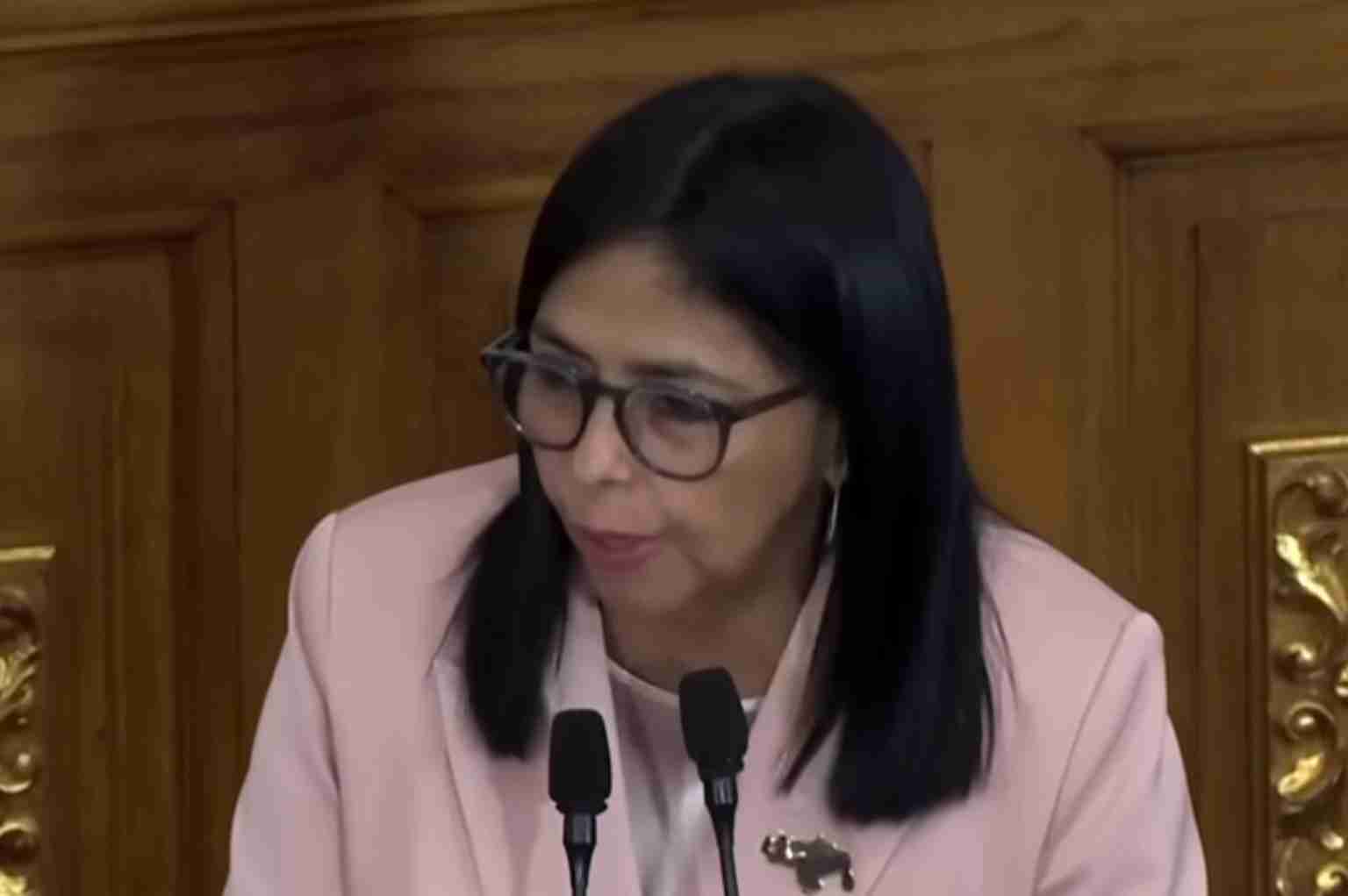
Interim President Delcy Rodríguez said Wednesday that her government will continue releasing political prisoners detained under the ousted Nicolás Maduro, calling it a “new political moment” to expand political pluralism while restricting messages that promote violence.
- Selective releases continue: Rodríguez says the process “has not yet concluded” and will proceed with limits tied to crimes against the constitutional order (Fox News).
- Disputed tallies: The government claims dozens — 212 reportedly freed in recent weeks — while NGOs verify far fewer releases (El País).
- Foreign pressure and negotiations: International talks helped secure releases of at least four U.S. citizens and other foreign nationals after Maduro’s removal (ICTJ).
- Large population still detained: Human rights group Foro Penal estimates roughly 800 remain detained; other groups report higher counts, underscoring verification challenges (Fox News, El País).
What Rodríguez said and how the government frames the releases
At her first press briefing as interim president, Delcy Rodríguez described the releases as part of a “new political moment” intended to open space for political and ideological diversity while excluding messages that promote “hatred, intolerance” or violence. She framed the policy as based on legal reviews tied to the constitutional order and said the process will be selective and ongoing (source: Fox News).
Government claims vs. independent counts: Rodríguez and her administration say dozens have been freed since the change in power; officials report 212 detainees released in recent weeks. Independent groups have not confirmed that full figure and report lower verified totals. The discrepancy remains a central point of contention (Fox News, El País).
Numbers, verification and remaining detainees
Nonprofits and monitoring groups confirmed roughly 24 people freed on Monday, Jan. 12, including two Italian nationals and a dual Spanish‑Venezuelan citizen. Other recent releases included military analyst Rocío San Miguel and at least four Spanish citizens earlier in the month. Foro Penal estimates about 800 people remain detained — a list including opposition leaders, soldiers and jurists. Other groups place the number above 1,000 in some counts. These differences highlight the challenge of independent verification amid political upheaval (El País; Fox News).
The role of foreign governments and negotiations
Recent releases followed international pressure and negotiations after Maduro’s removal in a U.S. military operation. The interim government freed at least four U.S. citizens and other foreign nationals; U.S. President Donald Trump described a “great conversation” with Rodríguez, their first since Maduro’s capture. Rodríguez rejected claims that the releases were purely the result of U.S. pressure, saying they built on prior initiatives (Fox News; ICTJ).
How releases are coordinated and conditions on freed detainees
The interior ministry — named by the interim government as led by Diosdado Cabello — is coordinating the release process. Some freed detainees report post‑release restrictions, such as bans on public statements about their cases or limits on political activity. The government says each case is evaluated individually and tied to crimes “related to the constitutional order.” Critics warn that conditional releases and continued arbitrary detentions may undermine rule of law and due process (Fox News; El País).
Reports of continued abuses and recent incidents
Despite announced releases, reports of arbitrary detentions and abuses persist. Independent monitors reported a detainee death, Edison Torres, amid recent unrest and say some announced release lists did not materialize for all named individuals. Such inconsistencies raise concerns about whether the release campaign will translate into sustained reforms in prisons, courts and security forces (El País).
Why the numbers differ: government claims vs. NGO verification
Key reasons for divergence:
- Absence of centralized, transparent detention records and limited independent access.
- Different definitions of “political prisoner” and releases under varied legal categories.
- NGOs compile names and verification notes but face barriers; the result is diverging tallies and fragile public trust (Fox News, El País).
Political and legal questions ahead
Observers note the coming period will test whether releases signal a genuine shift toward rule of law and political pluralism or are limited gestures to ease international pressure. Key legal issues include restored civil rights for freed detainees, continuation of selective prosecutions, and whether security institutions undergo meaningful reform. Human rights organizations call for independent investigations and guarantees of non‑repetition to make any change durable (ICTJ).
Implications for Las Vegas, Nevada
Economic impact
Las Vegas may see gradual economic effects if Venezuelan stability improves: restored travel ties could increase flights and tourism from Venezuela and Spain; remittance flows may shift, affecting families in Nevada. Casinos and tour operators marketing to Latin American visitors could notice modest changes.
Political consequences
Local civic engagement in Las Vegas — especially among immigrant and Latino communities — may reflect concern for human rights and U.S. foreign policy. Officials could face constituent pressure to back humanitarian assistance or targeted diplomacy tied to detainee releases.
Social effects
Nonprofits and faith groups may experience higher demand for legal, counseling and resettlement services if more Venezuelans travel or seek asylum. Community clinics and centers should prepare for trauma‑informed care, family reunification assistance and legal aid.
Cultural relevance
Family reunions and cultural programs in Las Vegas could become focal points for reintegration and solidarity. Civic organizations might organize welcome events, vigils or partner with national NGOs for documentation and legal advocacy.
Practical applications for residents
- Travel planning: Monitor official travel advisories and consular notices — releases do not mean full restoration of safety or services.
- Legal and social services: Prepare bilingual resources on asylum, repatriation and trauma care.
- Civic action: Support verified human rights groups, legal defense funds, or contact elected officials to urge rights‑focused U.S. engagement.
Sources and further reading
- Fox News: Venezuela’s acting president touts ‘new political moment,’ hints at further release of political prisoners
- El País (English): Venezuela releases around 20 political prisoners
- International Center for Transitional Justice (ICTJ): Venezuela releases imprisoned political figures
Reporting by Times Media Service.