Tehran erupts as economic protests swell; businesses shut amid tear gas and clashes
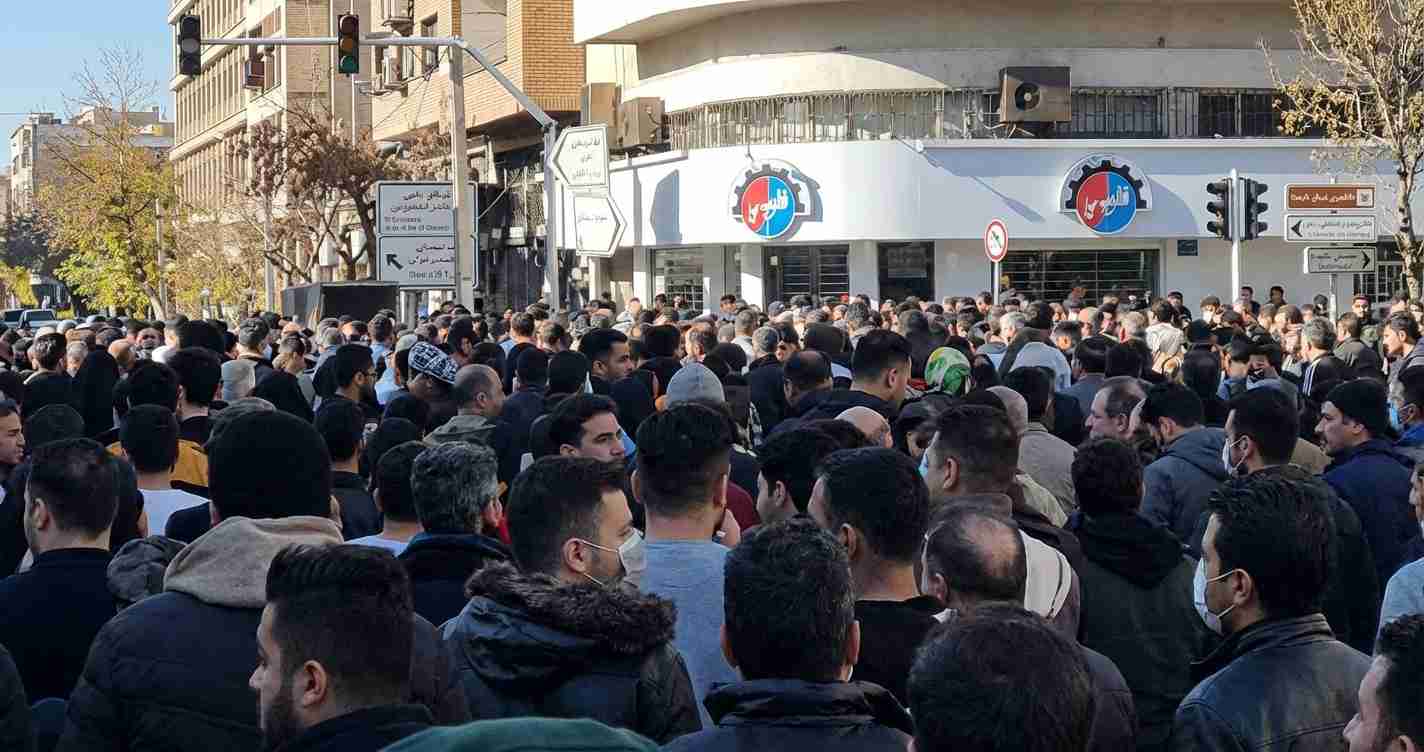
Tehran erupted in mass protests on December 29, 2025, as citizens demonstrated against a collapsing economy; businesses closed for a second day amid a plunging rial, soaring inflation and clashes with security forces deploying tear gas across the capital.
- Widespread economic unrest: Demonstrations focused on price hikes, job losses and shortages as the rial plunged and inflation surged.
- Commercial shutdowns: Major Tehran marketplaces and commercial hubs closed for a second consecutive day, deepening economic strain.
- Security response: Riot police used tear gas and clashed with protesters; some accounts say authorities temporarily pulled back in places.
- Reporting limits: Many details — specific chants, extent beyond Tehran, and external calls to action — remain unverified in primary reporting. (Source)
Protests and clashes: what happened on the streets
Hundreds to thousands gathered across Tehran on Monday, voicing anger over rising prices, job losses and shortages of basic goods. Witnesses reported that security forces deployed tear gas to disperse crowds and that clashes occurred in multiple neighborhoods.
“The pattern of protest focused on economic complaints rather than specific political demands,” local observers said, underscoring the link to the broader financial collapse.
Some social media posts claimed chants such as “Shameless! Shameless!” and described security units withdrawing in spots; however, those exact chants and detailed retreat accounts are not fully corroborated in the primary RFE/RL reporting. (Source)
Commercial shutdowns and strikes deepen crisis
Shopkeepers across major commercial hubs closed doors for a second straight day, with voluntary shutdowns and strikes sharply reducing activity. The closures both reflect public anger and exacerbate economic hardship by cutting incomes and access to goods.
Impact: Extended shutdowns can create a feedback loop of lost incomes, rising shortages and heightened social tension, amplifying the underlying economic emergency. (Source)
Economic triggers: currency collapse, inflation and energy shortages
Analysts point to a rapid fall in the rial as a central trigger, which erodes savings and raises import costs. Concurrently, inflation has driven up prices for food, fuel and essentials, while power cuts and fuel supply problems have disrupted daily life.
Together, these pressures form an Iran currency crisis linked to broader economic mismanagement and external pressures — conditions that set the stage for sustained protests. (Source)
Geographic spread and reporting limits
While the strongest reporting centers on Tehran, some accounts suggest unrest in other cities. Because of fluid conditions and reporting challenges inside Iran, many claims remain patchy and subject to change as new information emerges.
Times Media Service flags gaps: specific chants, claims of wider geographic spread, and alleged calls from foreign figures are reported in some outlets and social media but are not fully corroborated by the primary RFE/RL account. (Source)
International reaction and online resonance
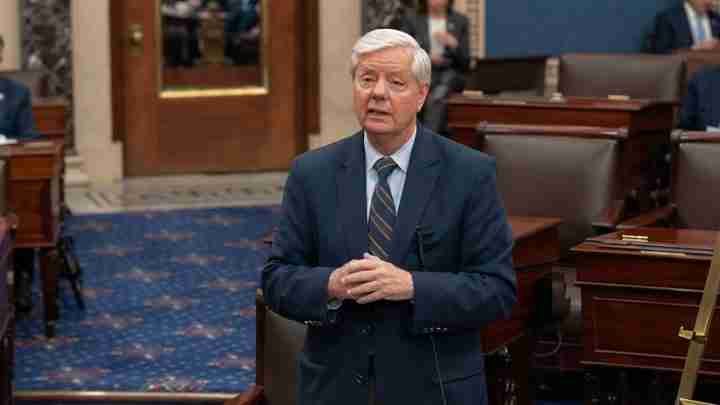
Footage and reports spread quickly online, drawing diplomatic and media attention. External commentary — including statements by foreign figures — amplified scenes from Tehran, a dynamic that can both aid protest visibility and be used by authorities to allege foreign influence.
Observers caution that international visibility may pressure domestic authorities but also complicate on-the-ground dynamics by shifting perceptions within Iran. (Source)
Voices on the ground
Shopkeepers said they closed from fear and because trade had halted. Many residents described savings wiped out by the rial’s collapse and wages that no longer covered basic needs — personal accounts that emphasize the economic roots of unrest.
Authorities framed their actions as necessary to restore order. Independent verification of arrests, injuries or the scale of clashes remains limited in the primary source. (Source)
Implications for Las Vegas, Nevada
Although distant, Iran’s economic unrest carries practical links and local angles for Southern Nevada’s urban, moderate audience:
- Economic ties and tourism: Regional instability can influence travel patterns, airline routes and insurance costs that affect the tourism sector in Las Vegas.
- Local Iranian‑American community: Residents with family ties in Iran may seek information, advocacy or support services from local civic and cultural groups.
- Financial markets and businesses: Volatility in commodities such as oil can feed local operating costs, affecting small and medium enterprises.
- Media and information: Local newsrooms should prioritize verified reporting and separate confirmed facts from social media claims.
- Civic and political implications: City leaders may receive requests for statements or forums; measured, factual responses serve public interest.
Practical advice for Las Vegas residents
- Stay informed: Use trusted international news services and verify reports with multiple sources. (Source)
- Community support: Contact cultural centers or advocacy groups for updates and assistance if you have family in Iran.
- Business readiness: Watch airline advisories and commodity reports; brief disruptions in fuel or shipping can ripple locally.
- Be cautious online: Avoid sharing unverified footage or claims that could spread misinformation among diaspora communities.
Reporting note and sources
This report draws on primary reporting by Radio Free Europe/Radio Liberty and direct accounts available at the time of writing. Certain widely circulated claims — including specific chants, broader geographic spread beyond Tehran, and calls by foreign figures — were not fully corroborated in the primary RFE/RL report and are described here as reported but unverified. (Source)