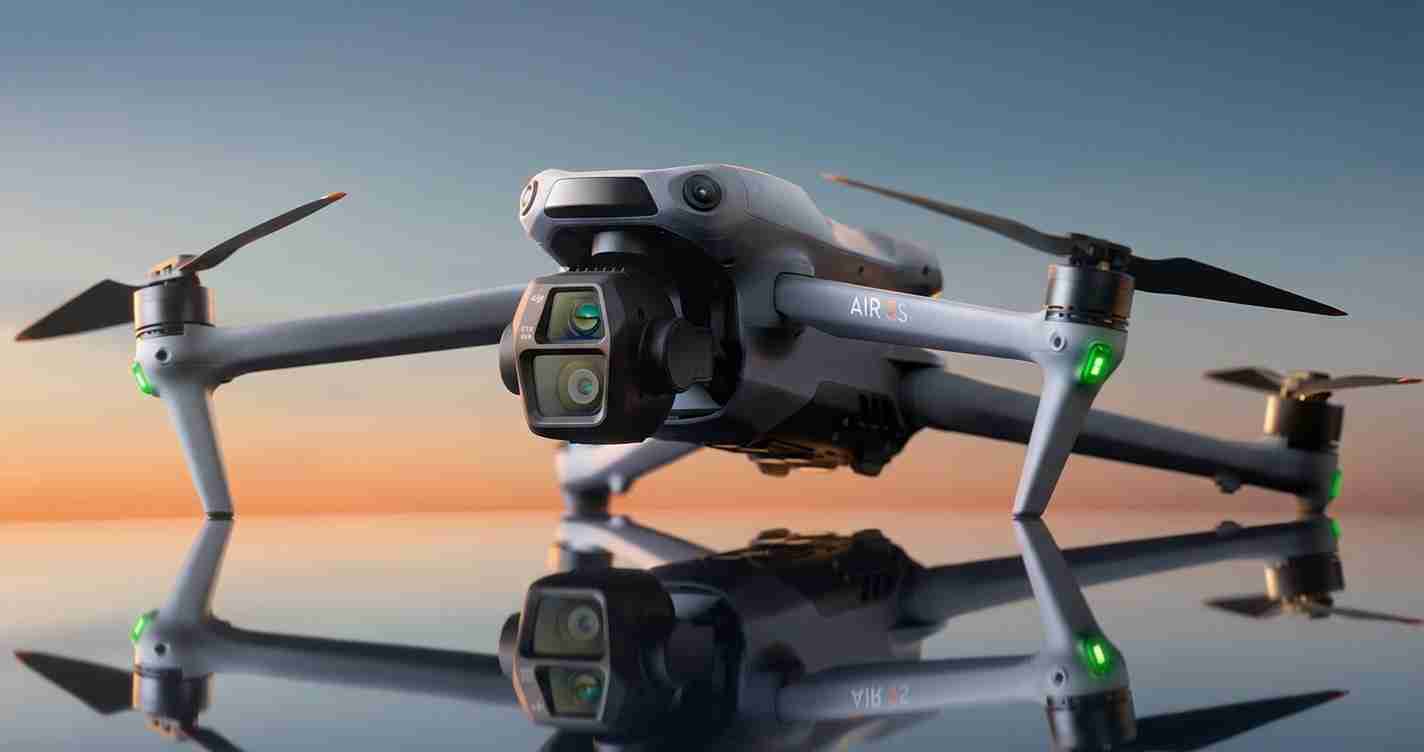
FCC bans Chinese drones, adds DJI to covered list amid national security concerns
The FCC on Dec. 22, 2025 banned new Chinese-made drones, including DJI, blocking future sales and certifications amid national security concerns over data exfiltration and weaponization — a major step in U.S.-China tech decoupling policy.
- FCC Covered List now includes DJI and more than 20 Chinese firms, blocking future U.S. equipment authorizations.
- Agency cited risks including data exfiltration, surveillance and drone weaponization tied to criminal, terrorist and hostile actors.
- Existing devices already in the U.S. are not immediately banned but could face future restrictions.
- DJI plans to sue and analysts expect a market shift to domestic makers and supply-chain investment (Teal Group, PitchBook).
What the FCC announced
The Federal Communications Commission said it added more than 20 Chinese firms to its Covered List, using its authority to protect communications and national security.
The move blocks future FCC equipment authorizations, which effectively prevents new products from those firms from entering U.S. markets. FCC Chair Brendan Carr framed the decision around rising threats:
“Criminals, terrorists, and hostile foreign actors have intensified their weaponization of these technologies, creating new and serious threats to our homeland.”
The agency pointed to public reporting and intelligence assessments that it says show links between some Chinese companies and the Chinese state, and to incidents where drones were used in criminal and battlefield attacks (reporting by Reuters and the New York Times).
Evidence cited
- Public reporting of drone use on battlefields and in attacks.
- Government security assessments and classified intelligence briefs referenced in the announcement.
- Links to prior U.S. actions restricting certain Chinese technologies in sensitive networks.
Why the FCC says the ban was needed
The agency laid out multiple security concerns highlighted by U.S. officials and security agencies:
- Data risks: Flight logs, telemetry and images could be accessible to foreign authorities under China’s National Intelligence Law, U.S. officials warn.
- Weaponization: Commercial drones adapted for strikes and explosives in conflicts from Ukraine to the Middle East.
- Criminal misuse: Reports of cartel use for smuggling and surveillance near the U.S.-Mexico border.
- Vulnerabilities: Unpatched software flaws that could allow remote control or data theft, flagged in CISA advisories and other security notices.
The FCC cited public reporting of DJI drones used on battlefields, government security assessments, and classified briefs as the basis for the action, and tied it to earlier legislative and regulatory steps restricting certain Chinese technology.
DJI and industry reaction
DJI said it was “deeply disappointed” and demanded details about the evidence used to add the company to the list. DJI emphasized that its products are used by millions — including first responders and farmers — and pointed to security features such as Local Data Mode. The company said it intends to challenge the FCC decision in court, arguing the agency did not make the basis for the listing public (Bloomberg).
Domestic makers and investors reacted quickly: companies such as Skydio and regional suppliers are being pitched as secure alternatives, while analysts say the decision will reshape supply, pricing and procurement for public-safety agencies (Teal Group, PitchBook).
Government and political response
The decision drew bipartisan praise from national-security hawks and lawmakers who have long pushed for limits on Chinese technology. Commerce Secretary Gina Raimondo publicly supported the move as part of broader efforts to restrict Chinese influence in critical technology sectors (reporting by Reuters and AP News).
At the same time, local public-safety groups warned about practical costs: police, fire departments and other agencies that rely on DJI hardware urged Congress to fund replacement programs to avoid capability gaps.
International consequences
China’s Foreign Ministry called the action “economic coercion” and warned it would respond to protect Chinese firms. European governments and allies are reportedly weighing similar measures, and many are watching whether the move prompts coordinated action on drone supply chains (Reuters).
Evidence of weaponization
Security agencies and reporting point to multiple cases where consumer-grade drones were adapted for harmful use:
- Ukraine: Open-source intelligence and reporting indicate widespread use of commercial drones, including DJI models, for reconnaissance and improvised strikes.
- Middle East: Officials have documented militant groups adapting commercial drones to carry grenades or explosives.
- U.S. border: Law enforcement has recorded cartel use for smuggling and surveillance near border agents.
Security agencies also warned that firmware flaws and default data flows could create cyber risks (New York Times, Wall Street Journal, CISA).
U.S. drone market impact
DJI has historically controlled roughly 80% of the U.S. consumer and small-commercial drone market. Analysts expect the FCC action to accelerate a shift to U.S. companies, drive investment in domestic manufacturing, and create short-term supply shortages and price increases. Over time, the move could spur new jobs and investment in U.S. firms while also slowing some commercial adoption as the market adjusts (Teal Group, PitchBook).
Implications for Las Vegas, Nevada
Economic impact
Las Vegas sectors — construction, film and media, hotels and casinos — use drones for surveys, aerial shots and inspections. A restriction on new DJI sales could raise costs, slow projects, and create opportunities for local startups and service providers that offer U.S.-made alternatives.
Political consequences
Nevada’s elected officials may face pressure to secure federal transition funds for public-safety fleets. Local leaders will likely seek grants and technical assistance to avoid capability gaps during equipment replacement.
Social effects
Public-safety operations such as search-and-rescue, storm damage assessment and large-event monitoring could be temporarily disrupted during transitions away from DJI gear, affecting community safety operations.
Cultural relevance
Las Vegas’ film and media scene relies on affordable drones; productions and entertainment events may face higher costs or delays while switching equipment and vetting secure alternatives.
Practical applications
City agencies and businesses should inventory drone assets, identify devices from covered firms, and plan phased replacements. Local governments are advised to seek federal funding and technical help, while service providers can market secure U.S.-made options and training.
Sources and further reading
- FCC press release
- DJI newsroom and statements
- Reuters reporting on the FCC decision
- The New York Times coverage
- The Wall Street Journal analysis
- Bloomberg on DJI’s legal response
- CISA advisories and alerts
- AP News updates, Politico updates
- Teal Group market analysis, PitchBook
- Oryx and related OSINT battlefield reporting
Regulators, local officials and businesses in Las Vegas say they plan to track further guidance from the FCC and other agencies as they map out replacements and funding requests for drone fleets and services.