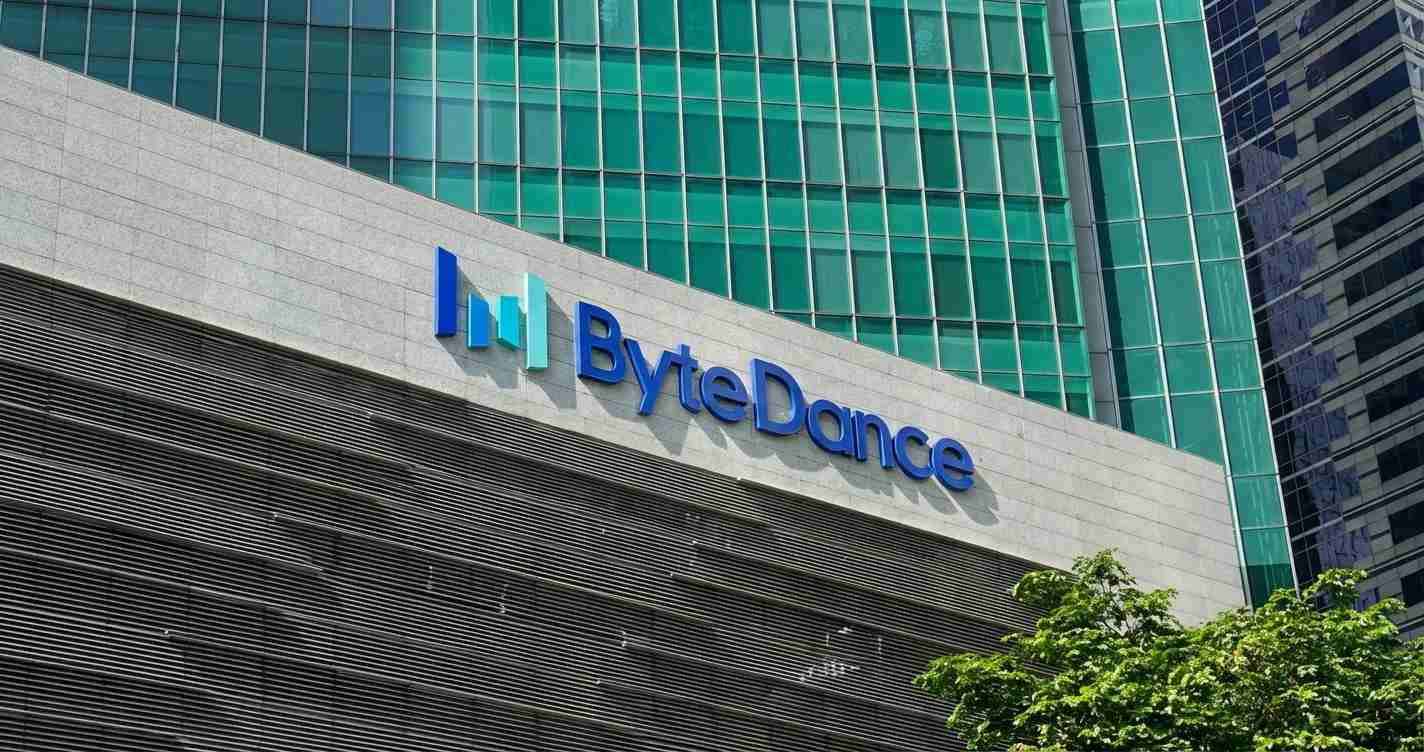
TikTok signs deal for U.S. joint venture with Oracle, Silver Lake; closing set for Jan. 22, 2026
TikTok has signed agreements to form a U.S. joint venture with American-led investors including Oracle and Silver Lake, a deal due to close by January 22, 2026, ending prolonged political and legal disputes while keeping service for U.S. users.
- Agreement signed: TikTok will form a U.S. joint venture with American-led investors, including Fox Business.
- Closing date: Targeted for January 22, 2026, pending regulator and China approvals (Forrester).
- Structure and safeguards: Deal framed to meet PAFACA requirements and include U.S. oversight of algorithm and data controls (Forrester, Fox Business).
Key information
Agreement details reported by market coverage describe an arrangement that:
- Establishes a U.S. joint venture with American-led investors including Oracle and Silver Lake (reporting: Fox Business).
- Targets a closing date of January 22, 2026 (Fox Business; Forrester).
- Is reported to be valued at about $14 billion (Forrester).
- Describes an ownership split of roughly 45% for American-led investors (Oracle, Silver Lake, MGX), less than 20% for ByteDance, and about 35% for a separate group of ByteDance investors; the remainder remains with existing shareholders and global firms (Fox Business; Forrester).
- The agreement aims to comply with the Protecting Americans from Foreign Adversary Controlled Applications Act (PAFACA) and still requires approvals from U.S. regulators and Chinese authorities (Forrester; Fox Business).
Background: years of political and legal fights
For years, TikTok was at the center of national-security debates over data access and foreign influence. Lawmakers across parties argued that ByteDance, TikTok’s China-based parent, could be compelled to hand over U.S. user data or manipulate content. That pressure spawned proposals for bans, compelled sales and new federal laws. The newly announced agreement represents a practical end — at least on paper — to that era of uncertainty (Forrester; Fox Business).
Deal specifics and reported ownership
Reported specifics indicate:
- American-led investors (Oracle, Silver Lake, and MGX) are set to control roughly 45% of the new U.S. joint venture.
- ByteDance would retain less than 20%, with a separate cohort of ByteDance investors holding about 35%, and the remainder split among existing shareholders and global firms.
- The transaction is reported at approximately $14 billion, though figures remain subject to change until regulatory filings are finalized (Fox Business; Forrester).
Regulatory path: PAFACA, approvals and an executive order
Legal framework: The deal is structured to meet the Protecting Americans from Foreign Adversary Controlled Applications Act (PAFACA), which focuses on preventing foreign adversaries from controlling apps that handle Americans’ data. Administration officials emphasized structural changes — ownership limits, U.S.-based data protections, and domestic control over algorithms — as central to compliance. Reports note President Donald Trump signed an executive order in September 2025 permitting the deal to proceed, and officials said China cooperated to help ensure proper execution. Despite signed agreements, formal approvals by U.S. regulators and Chinese authorities are still required (Forrester; Fox Business).
Operational changes and the recommendation engine
A central element of the deal concerns software assurance and the recommendation system — TikTok’s algorithm that suggests videos. Under the proposed structure:
- The recommendation model will be retrained on U.S. user data and placed under U.S. oversight within the joint venture’s operations.
- New software assurance and content-moderation controls are expected; these measures could change recommendation signals and the overall feed experience for users.
- Analysts note the degree of user-experience change is uncertain and will depend on technical choices during the transition (Forrester).
CEO message and impact on creators and businesses
“TikTok CEO Shou Chew told staff the agreements will let the company keep serving more than 170 million U.S. users while it moves through the close process.“
He added the company will support users, creators and businesses as it works toward the closing date. For creators and advertisers, primary concerns include how algorithmic changes and U.S.-based data controls may affect reach, monetization and ad targeting. TikTok’s commitment to continuity aims to avoid sudden platform disruption during the technical and regulatory transition (Fox Business).
What remains uncertain
Although agreements are signed, the transaction is not final. Outstanding items include:
- Formal approval by U.S. regulators and Chinese authorities.
- Public disclosure of exact legal terms, governance rules and enforceable technical controls.
- Details on who will hold decision-making authority over content moderation, how algorithmic retraining will be audited, and whether ownership changes truly block foreign-state influence.
- The Jan. 22, 2026 timeline provides regulators time to request changes or additional safeguards (Forrester; Fox Business).
Implications for Las Vegas, Nevada
Economic impact
Creators and small businesses in Las Vegas rely on TikTok for discovery, promotion and direct sales. Continuation under a U.S. joint venture could preserve a critical marketing channel for restaurants, tourism operators, entertainers and local influencers who use national trends to drive bookings and foot traffic. Advertisers may see shifts in ad targeting and measurement as platforms adapt to U.S.-based data models (Fox Business; Forrester).
Political consequences
Nevada politicians and regulators will monitor federal approvals closely. Lawmakers who advocated for safeguards will likely demand transparency on data protections and algorithmic controls. Local officials may use the outcome to push for stronger state-level consumer privacy or digital-ad regulations (Forrester).
Social effects
Communities using TikTok to organize, share local news and amplify cultural events will likely welcome continued service. However, changes to the recommendation engine could alter what content goes viral, affecting which creators and neighborhoods gain attention. Nonprofits and civic groups that expanded reach on TikTok should prepare to adapt to changed discovery patterns (Forrester).
Cultural relevance
TikTok is woven into Las Vegas culture — from food trends to performance clips and event promotion. American-led ownership may ease concerns about foreign control and help local artists keep reaching national audiences. Creators who relied on established algorithm behaviors should nonetheless prepare for possible shifts in distribution mechanics (Fox Business; Forrester).
Practical applications for residents
For most Las Vegas residents, the immediate effect should be continuity of service. Users who rely on TikTok to find events, jobs, restaurant reviews or civic information can expect the app to keep operating through the transition. Creators should:
- Monitor analytics closely,
- Diversify distribution channels, and
- Be ready to adjust content strategies if recommendation signals shift (Forrester).
Next steps and what to watch
Between now and Jan. 22, 2026, stakeholders should watch for:
- Formal regulatory filings and public comments from Oracle, Silver Lake and ByteDance.
- Technical disclosures detailing how the TikTok algorithm will be retrained, audited and placed under U.S. oversight (Forrester).
- Regulatory reviews by U.S. agencies and final approvals from Chinese authorities to confirm the transaction’s enforceable safeguards (Fox Business).
Sources
Reporting and analysis used in this article include: Fox Business and Forrester.