Trump-backed map rejected as Indiana Senate defeats plan to add two GOP House seats
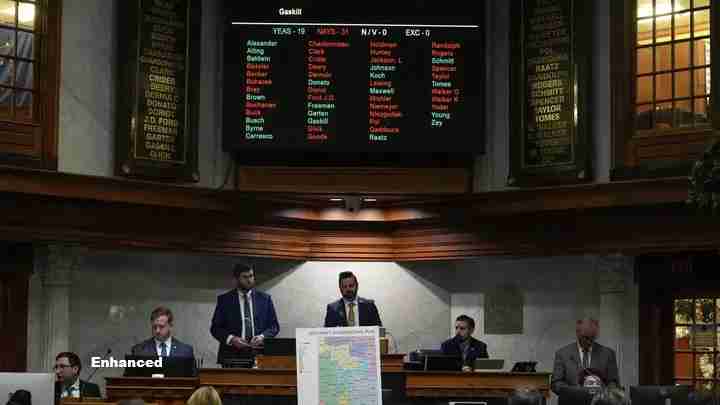
Indiana’s Republican-controlled State Senate voted down a Trump-backed congressional redistricting map that would have created two GOP-leaning House seats on Wednesday, as 21 Republicans joined Democrats to reject House Bill 1032 and keep the current map intact.
- Senate vote: House Bill 1032 failed 31–19 after 21 Republicans joined 10 Democrats in opposition; the vote preserved the state’s existing congressional map. (Axios, Indianapolis Star)
- Procedure matters: Because lawmakers are in a regular session (not a special redistricting session), leaders said the measure cannot be reconsidered now, effectively killing the proposal for the moment. (Axios)
- Political impact: The rejected map had been drawn to split two Democratic-leaning districts and would likely have produced roughly two additional reliably Republican U.S. House seats, changing national arithmetic. (Axios)
What happened in the Senate
Senate leaders brought House Bill 1032 to the floor after weeks of debate and intense outside pressure. President Donald Trump publicly lobbied Indiana Republicans for months, criticizing GOP senators who hesitated and urging passage of a plan he said would strengthen the party nationally. (Axios)
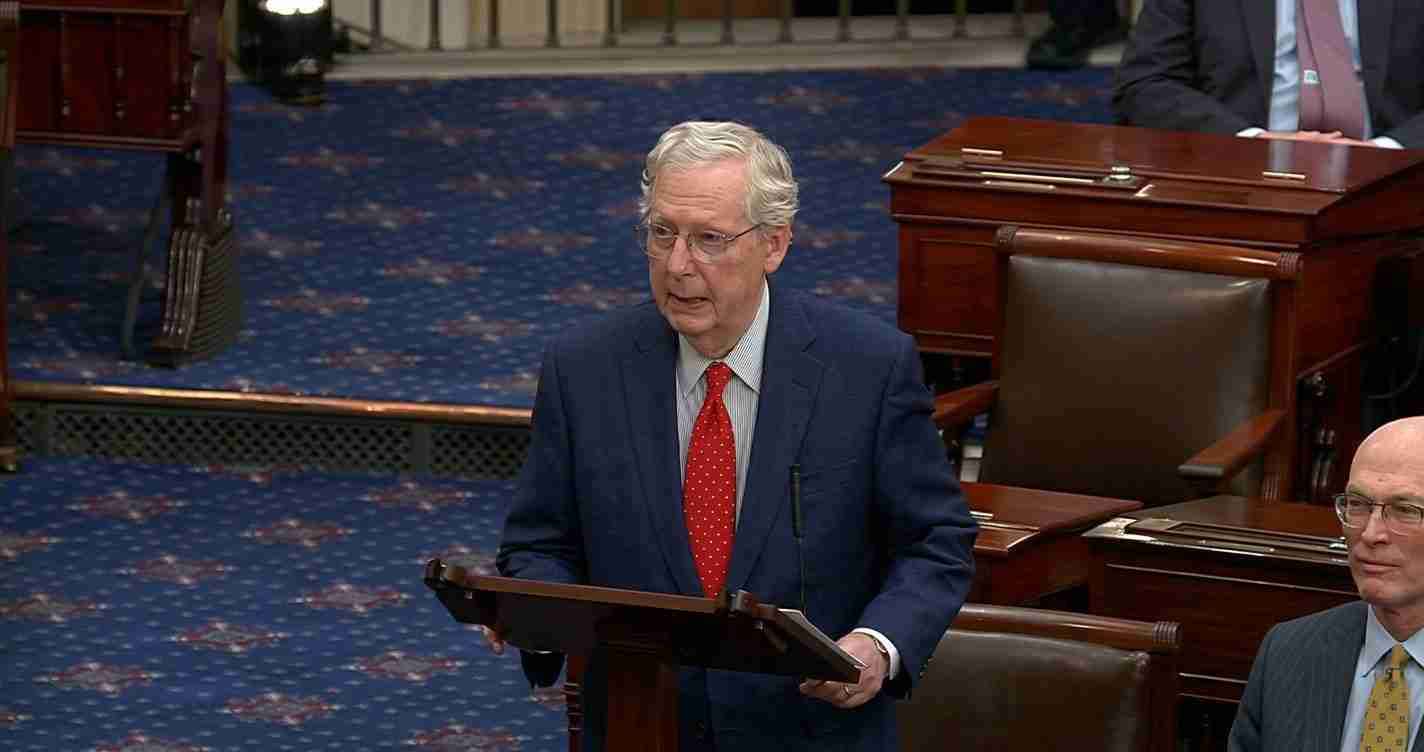
When the roll call came, 21 Republican senators voted no — an intra-party dissent that surprised observers. Senate President Pro Tem Rodric Bray (R–Martinsville) moved to bring the bill up so the chamber could “answer the question.” Afterward, Bray said the vote revealed deep differences within the GOP about how best to win House seats. (Axios)
Why Republicans voted no
GOP senators cited a range of concerns: potential damage to public trust, local objections to being shifted into new districts, and the legal risk of aggressive lines inviting litigation. Sen. Spencer Deery (R–West Lafayette) warned the plan could harm confidence in elections and government institutions; Sen. Greg Goode (R–Terre Haute) said constituents opposed being moved into a district centered on Indianapolis. These and other critiques led more than half the Senate Republican caucus to oppose the measure. (Axios)
What the rejected map would have done
The proposed plan was drawn to reshape Indiana’s two Democratic-leaning districts and tighten GOP control across the state’s nine congressional districts. Analysts said the map would likely have produced about two additional safe or strongly Republican U.S. House seats — a potentially significant gain for national Republican efforts. Supporters called it defensive; critics called it an aggressive gerrymander that could undermine voter trust and invite lawsuits. (Axios)
Procedural status and what comes next
Because the legislature is in a regular session rather than a special redistricting session, Senate leaders say the rejected plan cannot be taken up again this session. That leaves Indiana operating under the current congressional map for the foreseeable future and denies Republicans the two additional Trump-backed seats targeted by House Bill 1032. (Axios, Indianapolis Star)
Political aftermath: Gov. Mike Braun said he was “very disappointed” and warned of consequences for senators who crossed party lines. Trump and allied groups have vowed to spend heavily in future primaries against those who opposed the map, signaling potential intra-GOP fights ahead. (Axios)
Reactions from state leaders and Trump allies
Gov. Braun criticized the decision as a rejection of leadership and a failure to protect Hoosiers with what he called fair maps. Trump used social platforms to pressure lawmakers and framed the effort as part of a national push to secure a GOP House majority. Outside groups aligned with Trump pledged to target senators who voted against the plan with primary spending. (Axios)
“The chamber now has a clear resolution,” Senate President Pro Tem Rodric Bray said after the vote, noting “deep differences” within the GOP about how to win House seats. (Axios)
Implications for Las Vegas, Nevada
Federal spending and local priorities: Control of the U.S. House affects budgets for tourism, infrastructure, housing and public safety funding important to Las Vegas. By blocking a map that would likely have produced two extra GOP seats nationally, Indiana’s vote helps keep House control less tilted and could affect federal budget debates that reach Nevada.
Political consequences: The Indiana rejection signals state lawmakers can resist national pressure — a dynamic Nevada urban moderates may welcome. If Republicans fail to lock up extra seats in places like Indiana, national GOP leaders may redirect resources to competitive states such as Nevada, altering ad buys and outside spending.
Voter trust and messaging: The episode feeds a national conversation about election fairness. Las Vegas voters who worry about gerrymandering may view the vote as a defense of local interests; Nevada candidates may lean into themes of transparency and fairness to court urban moderates.
Practical short-term effects: No immediate change to Nevada districts, but national ripples could change where parties invest — producing more targeted campaigning and shifting attention to competitive local races.